Taper vs Fade Haircut: How to Tell Them Apart and Choose the Right One
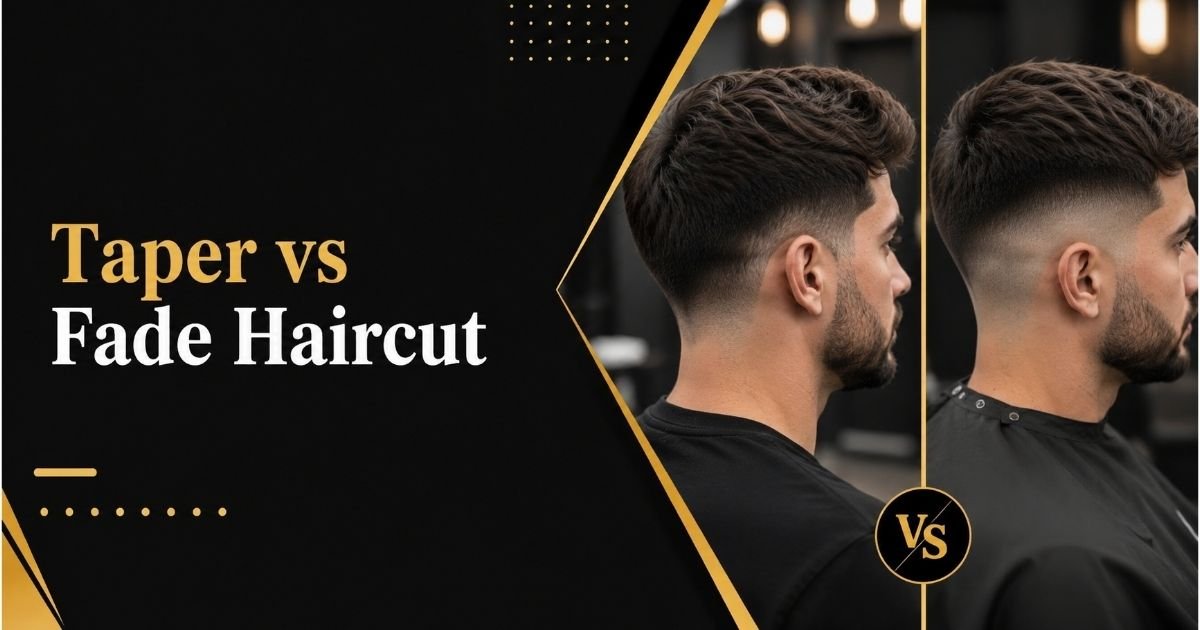
A taper fade blends the gradual, low-contrast shortening of a taper with the sharp, skin-close blend of a fade. A standalone taper keeps length at the bottom and never reaches the skin, while a fade cuts down close to bare skin for bold contrast. Taper fade combines both: soft on top, sharp underneath.
If you’ve ever sat in a chair and frozen when your barber asked “taper or fade?” you’re not alone. Both cuts shorten the sides and back, but a taper vs fade haircut decision changes how sharp, how low-maintenance, and how bold your look ends.
Taper vs Fade at a Glance
Here are Full explained table with Best Hair Type Face Shape Maintenace Styling Time.
| Style | Best Hair Type | Face Shape | Maintenance | Styling Time |
| Low Taper Fade | Straight, wavy | Oval, long | Low | 5 minutes |
| Mid Taper Fade | All types | Round, square | Medium | 5–10 minutes |
| High Taper Fade | Thick, coily | Round, oval | Medium-High | 10 minutes |
| Skin (Bald) Fade | Thick, curly | Square, oval | High | 10–15 minutes |
| Low Fade | Fine, straight | Long, heart | Low-Medium | 5–8 minutes |
| Burst Fade | Wavy, curly | Oval, round | Medium | 8–10 minutes |
| Taper Fade Mullet | Thick, wavy | Square, oval | Medium | 10 minutes |
What Is a Taper vs Fade Haircut?
A taper haircut gradually shortens hair from the top down to the sides and neckline, without ever cutting all the way to the skin. Barbers use a taper on nearly every haircut whether or not you ask for one; it’s the technique that keeps a hairline from ending in a hard, unnatural line.
On its own, a “taper haircut” usually refers to a subtle version where the sides stay soft and the hairline blends into slightly longer hair rather than bare skin. It’s the lowest-maintenance option here, since it grows out evenly instead of leaving an obvious demarcation line.
What Is a Taper vs Fade Haircut?
A fade haircut is a technique where hair length drops sharply from longer on top to very short, often bare skin at the bottom of the sides and back. The defining trait of any fade haircut is contrast: the bigger the length gap between top and bottom, the bolder the fade reads.
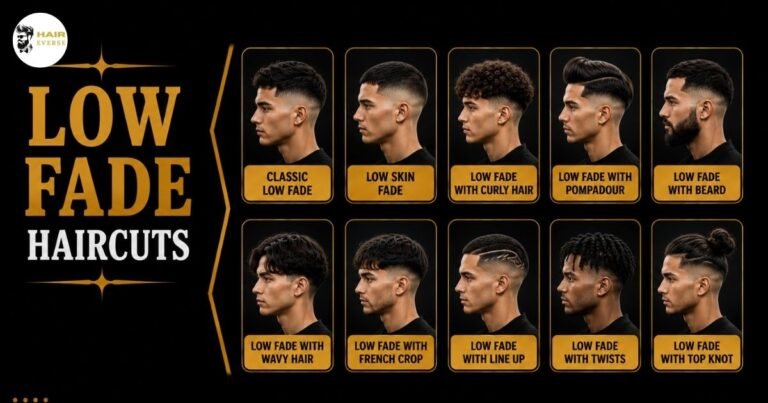
Fades come in low, mid, high, skin, burst, and drop variations depending on where the blend starts and how far it drops. Because the cut edge sits close to the skin, fades need more frequent barber visits to stay sharp.
Taper vs Fade Haircut: What’s the Real Difference?
The core taper vs fade difference comes down to how close the cut gets to bare skin and how much contrast it creates.
Length at the bottom. A taper leaves visible hair at the sides even at its shortest point. A fade blends down toward the skin, sometimes reaching it completely.
Contrast. Tapers read as soft and classic. Fades create a sharper visual break between top and sides.
Maintenance. A taper can go four to five weeks before it looks grown out. A fade, especially a skin fade, starts looking blurry after two to three weeks because new growth fills in the closest-cut section first.
Best fit. A taper suits guys who want a polished, low-fuss look for work or daily life. A fade suits guys who want their haircut to make a visible style statement.
What Is a Taper vs Fade Haircut?
A taper fade haircut is a hybrid: it uses fade-style blending techniques but stops short of bare skin, keeping some length at the very bottom for a softer transition than a full skin fade.
This is why the taper fade haircut has become the most requested style at most shops; it reads as intentional and sharp without the stark, all-the-way-to-skin look of a true fade.
Ask for a “taper fade” and most barbers will default to a version that starts around the temple and blends down to a short guard rather than skin.
Low Taper vs Mid Taper: Which Should You Choose?
The height where the blend starts changes how bold the cut looks. A low taper keeps the fade close to the ear, which reads as subtle and works well for oval and long face shapes.
A mid taper starts around the temple, adding more contrast and visually widening a narrower face, a strong choice for round or long faces that want more presence on the sides.
Neither is objectively “better”; it comes down to how much contrast you want and how your face shape responds to added width at the temples.
Hairstyle Guide: 7 Taper vs Fade Haircut Variations
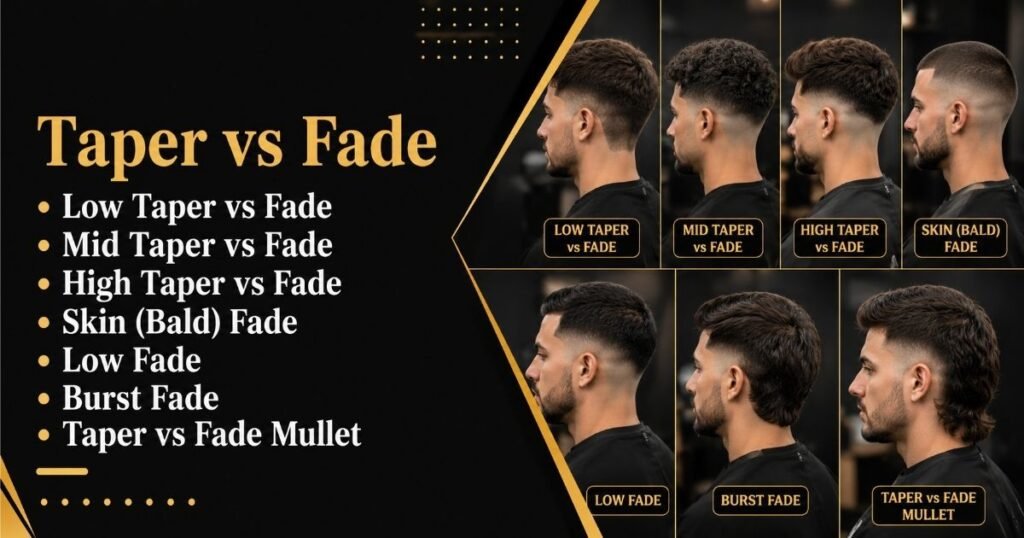
| Low Taper Fade |
| Mid Taper Fade |
| High Taper Fade |
| Skin (Bald) Fade |
| Low Fade |
| Burst Fade |
| Taper Fade Mullet |
Low Taper Fade
Overview: The blend starts just above the ear and stays close to the hairline, leaving most of the head untouched by contrast.
Why It Works: Suits straight and wavy hair types and flatters oval or long face shapes by keeping visual width minimal.
Styling Tip: Work a small amount of matte clay through towel-dried hair to add texture on top without shine.
Maintenance: Trims every four to five weeks keep the low blend from creeping upward and losing its shape. Maintenance and styling times are estimates and may vary by hair type.
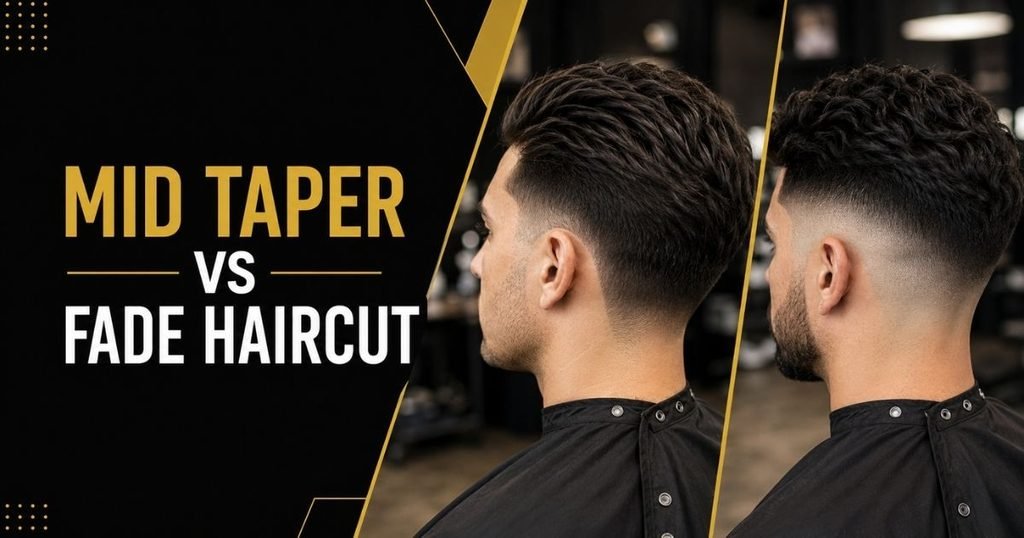
Mid Taper vs Fade Haircut
Overview: The fade begins around the temple, creating more visible contrast than a low taper while staying wearable in most settings.
Why It Works: Fits nearly every hair type and adds width that balances round or square face shapes.
Styling Tip: Use a sea salt spray on damp hair before blow-drying to build natural texture on top.
Maintenance: Book a trim every three to four weeks since the temple blend grows in faster than a low taper. Maintenance and styling times are estimates and may vary by hair type.
High Taper vs Fade Haircut
Overview: The blend climbs high on the head, near or above the temple, creating the boldest contrast in the taper family.
Why It Works: Best suited to thick or coily hair that can hold shape on top, and flattering on round or oval faces that want added height.
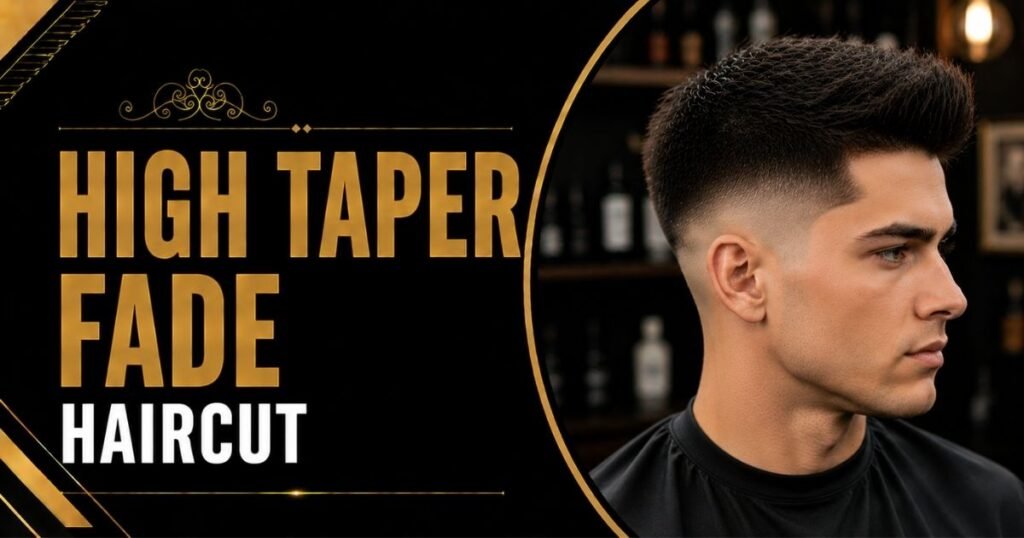
Styling Tip: Apply a small amount of pomade for shine and hold if you’re styling the top into a defined shape like a quiff.
Maintenance: Expect to return every two to three weeks, since the high blend line shows regrowth quickly. Maintenance and styling times are estimates and may vary by hair type.
Skin (Bald) High Taper vs Fade
Overview: The most dramatic option, cutting all the way down to bare skin before blending up into longer hair on top.
Why It Works: Removes bulk from thick or curly hair types and creates a sharp frame for square or oval face shapes.
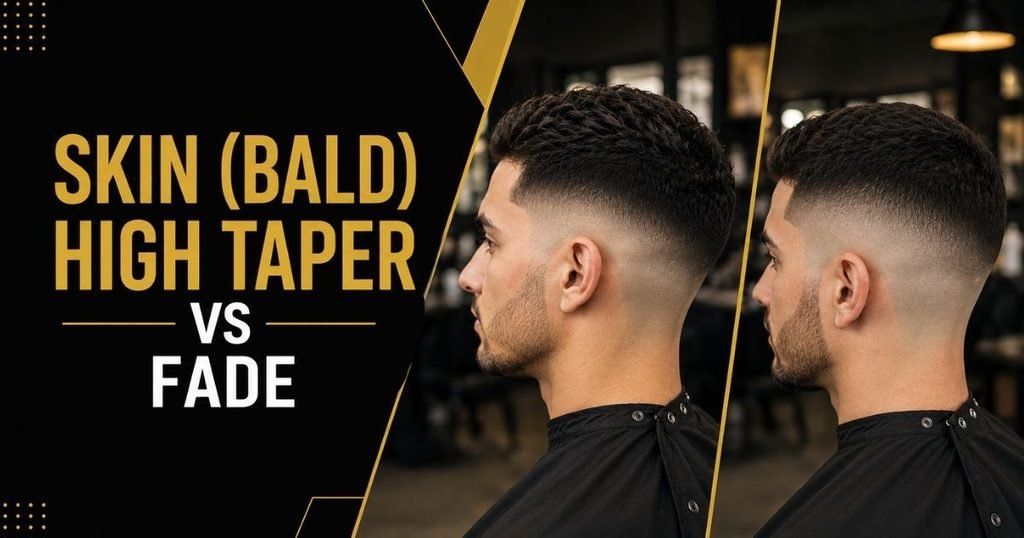
Styling Tip: A lightweight hair cream keeps curl definition on top without weighing hair down.
Maintenance: Plan on a touch-up every two to three weeks. The skin-close section is the first to show new growth. Maintenance and styling times are estimates and may vary by hair type.
Low High Taper vs Fade
Overview: Sits between a taper and a fade in contrast, blending close to the ear without extending far up the head.
Why It Works: Works with fine or straight hair and complements heart-shaped or long faces without adding excess width.
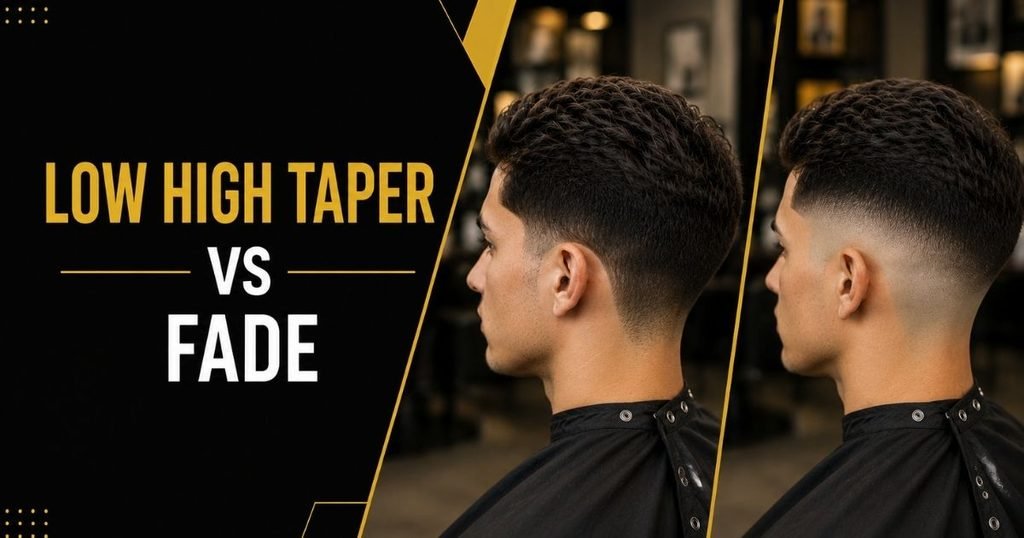
Styling Tip: A light hair wax adds separation to longer top styles without a stiff, crunchy finish.
Maintenance: A trim every three to four weeks keeps the low blend line crisp. Maintenance and styling times are estimates and may vary by hair type.
Burst High Taper vs Fade
Overview: The blend curves around the ear in a half-circle while the back stays longer, a common pairing with mohawk-style tops.
Why It Works: Complements wavy or curly hair and suits oval or round face shapes that want asymmetric interest.
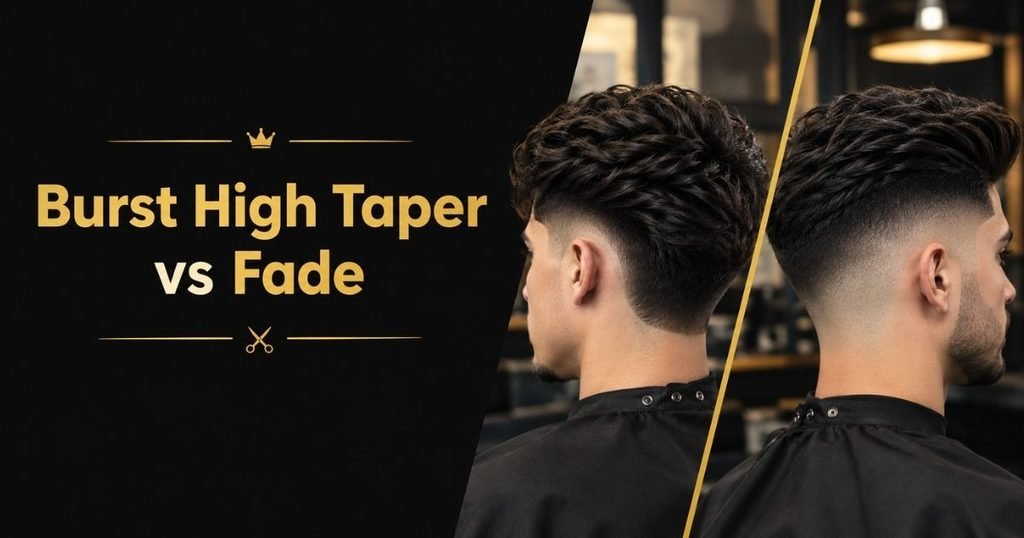
Styling Tip: A curl-defining gel on top keeps natural texture visible instead of flattening it.
Maintenance: Because the curved line is precise, book touch-ups every three weeks to prevent it from blurring. Maintenance and styling times are estimates and may vary by hair type.
Taper vs Fade Haircut Mullet
Overview: Combines a tapered or faded side and back with noticeably longer hair left at the back of the head.
Why It Works: Best suited to thick or wavy hair that holds shape at the back, and flatters square or oval faces.
Styling Tip: Blow-dry the back section with a round brush to add movement before applying a light-hold cream.
Maintenance: The sides need trimming every three to four weeks, while the back can be trimmed less often to maintain length. Maintenance and styling times are estimates and may vary by hair type.
How to Choose the Right Style?
y hair type:
- Thick or coarse hair: Skin fades and high tapers remove bulk cleanly and hold sharp lines well.
- Fine or thin hair: Low tapers and low fades avoid over-thinning and keep the scalp from showing through.
- Curly or coily hair: Burst fades and taper vs mid fades haircut let curl texture show on top while keeping sides controlled.
- Straight hair: Nearly any taper or fade works, since straight hair blends predictably at any height.
By face shape:
- Round face: A mid or high fade adds visual length; a low taper keeps things balanced without added width.
- Square face: Almost any option works; a mid taper fade is the safest, most flattering default.
- Long or oval face: A low taper or low fade avoids stretching the face further.
- Heart-shaped face: A taper fade or low fade shifts attention away from a wider forehead.
How to Ask Your Barber For a Taper or Fade Haircut
- Bring a reference photo, even a rough one that removes guesswork.
- Name the exact style: “low taper fade,” not just “a fade.”
- Explain how much length you want left on top in inches or guard number.
- Mention your styling routine so the barber can match the cut to how you’ll actually wear it.
- Ask about maintenance for how many weeks before it needs a trim.
- Confirm the final shape and blend height before the clippers touch your hairline.
Product Recommendations
Hair Cream Best For: Curly or coily hair that needs definition without shine. How To Use: Rub a dime-size amount between palms and scrunch into damp hair.
Pomade Best For: Adding shine and medium hold to styled tops like quiffs or side parts. How To Use: Warm a small amount between fingers before combing through dry hair.
Wax Best For: Separation and texture on shorter or textured cuts. How To Use: Apply to dry hair and work through with fingertips for a matte, piece-y finish.
Matte Clay Best For: Natural-looking hold with zero shine on thicker hair. How To Use: Apply to slightly damp hair and style before it fully dries.
Shampoo Best For: Removing product buildup between taper vs fade barber visits. How To Use: Use two to three times a week; daily washing can dry out the scalp.
Conditioner Best For: Keeping curly or coarse hair manageable between trims. How To Use: Apply after shampooing and rinse thoroughly to avoid weighing hair down.
Must-Read Haircut Guides
- Low Taper Fade Haircut styles keep the fade subtle and close to the skin near the ears, blending cleanly for a sharp, professional-friendly look. Versatile enough for most hair types, it pairs well with everything from classic side parts to modern textured tops.
- Ivy League Haircut combines classic style with modern versatility, offering more length on top than a crew cut for easy texture or a clean side part. Paired with tapered sides, it stays sharp and low-maintenance while suiting nearly any face shape or hair type.
- Undercut Haircut rounds up 35 fresh fade combinations, from classic disconnected undercuts to modern taper blends, giving you plenty of options to find an edgy, versatile style that suits your hair texture and face shape. Whether you’re after a bold, high-contrast look or something more subtle and everyday-wearable, this guide breaks down the details of each style so you can walk into your next barber appointment with a clear picture of exactly what to ask for.
- The Complete Hair Care Guide for Men walks through tailored routines for every hair type, from straight to coily, so you can build a regimen that keeps your hair healthy, strong, and looking its best.
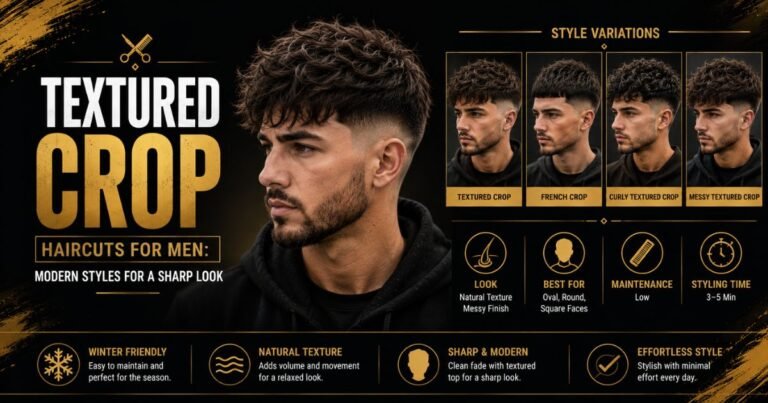
- Textured Crop Hairstyle Men rounds up 36 modern haircut variations, giving you plenty of inspiration to find a sharp, low-maintenance style that suits your face shape and personality.
- Side Part Haircuts for Men rounds up 35 trending styles for 2026, giving you plenty of classic and modern side-part variations to choose a polished, versatile look that fits your hair type.
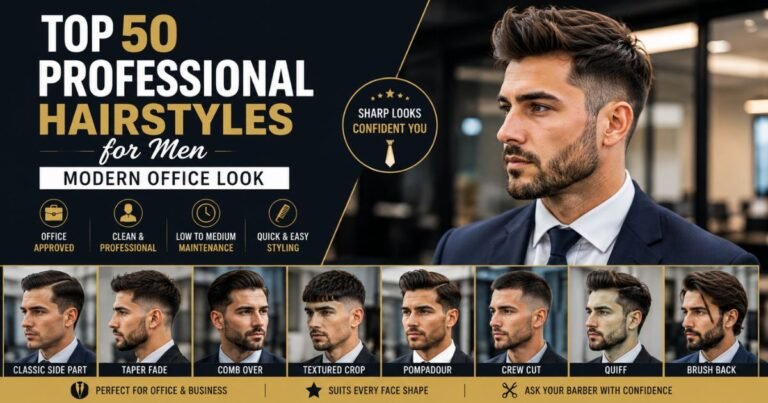
- Professional Hairstyles for Men rounds up 35 modern styles for a sharp look, giving you plenty of polished, workplace-appropriate options to suit your hair type and personal style.
- Modern Bowl Cut Hairstyles for Men showcases fresh takes on the classic bowl cut, giving you plenty of sharp, updated variations to find a style that suits your hair texture and personality.
- Military Haircuts for Men rounds up 35 modern styles for a sharp look, giving you plenty of clean, disciplined cuts to choose from that fit both regulation standards and personal style.
Final Thoughts
There’s no universally “better” choice between a taper and a fade. It comes down to how much contrast you want and how much time you’re willing to spend in the barber’s chair. If you want something that grows out gracefully and needs fewer visits, lean taper. If you want a sharper, more noticeable style statement, a fade or a taper fade for a softer middle ground is worth the extra maintenance.
Try describing your hair type, face shape, and lifestyle to your barber using the terms in this guide, and don’t be afraid to experiment with height and contrast over a few visits until you land on your version. Once you know the vocabulary, getting the exact cut you picture becomes a lot easier.
FAQs
Is a taper more professional-looking than a fade?
Generally, yes. A taper’s softer contrast and slower growth cycle reads as tidy and understated, which is why it’s a common choice for office settings, while fades tend to draw more visual attention
Which is better, a taper or a fade?
Neither is objectively better; it depends on how much contrast and maintenance you want. Tapers are lower-maintenance and subtle; fades are bolder and need more frequent trims.
How often do you need a trim: taper vs fade?
A taper typically holds its shape for four to five weeks. A fade, especially a skin fade, usually needs a touch-up every two to three weeks to stay sharp.
Can you turn a taper into a fade later?
Yes. A barber can gradually take a taper down closer to the skin over a few visits, or do it in one session if you’re ready for the bolder contrast right away.
Does a taper fade suit curly hair?
Yes. A taper fade low works well with curly hair because the softer blend at the bottom avoids the flat, patchy look a very close taper vs skin fade haircut can create on tighter curl patterns.