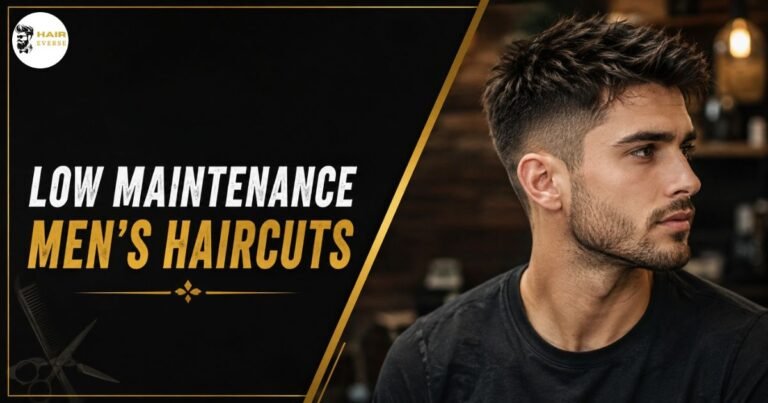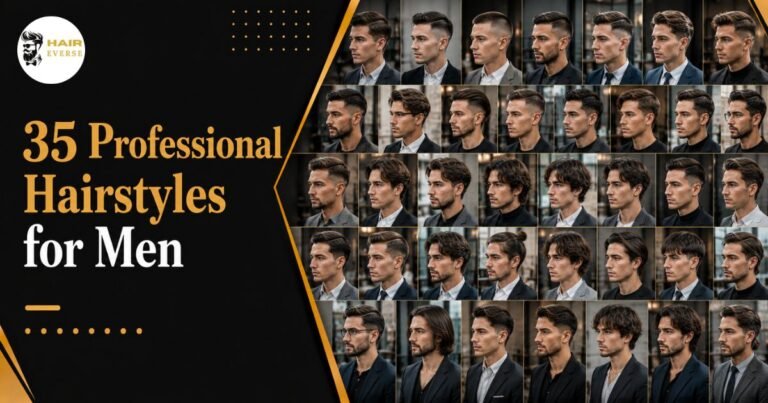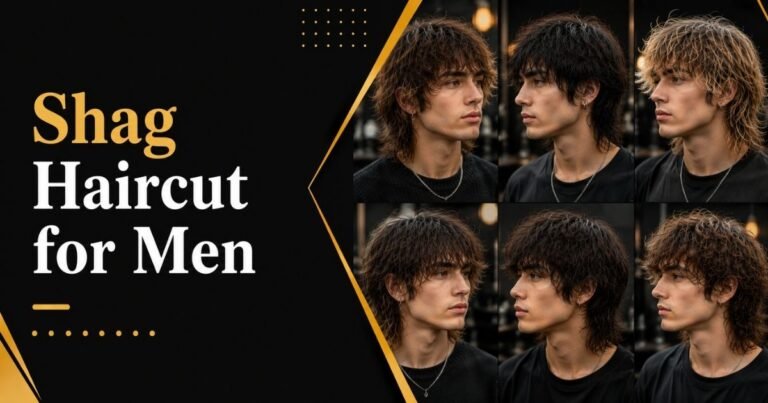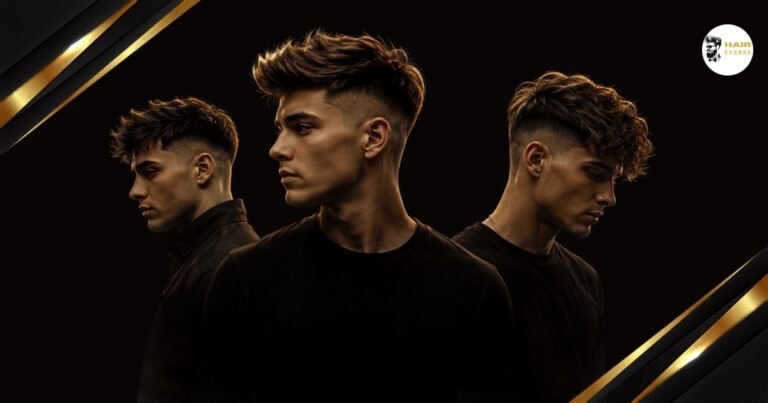
Low Fade Haircut: 30 Modern Styles for a Sharp Look
A low fade haircut is the most forgiving, lowest-maintenance version of the fade family, and it’s exactly why it’s become the go-to request in barbershops from corporate offices to college campuses.
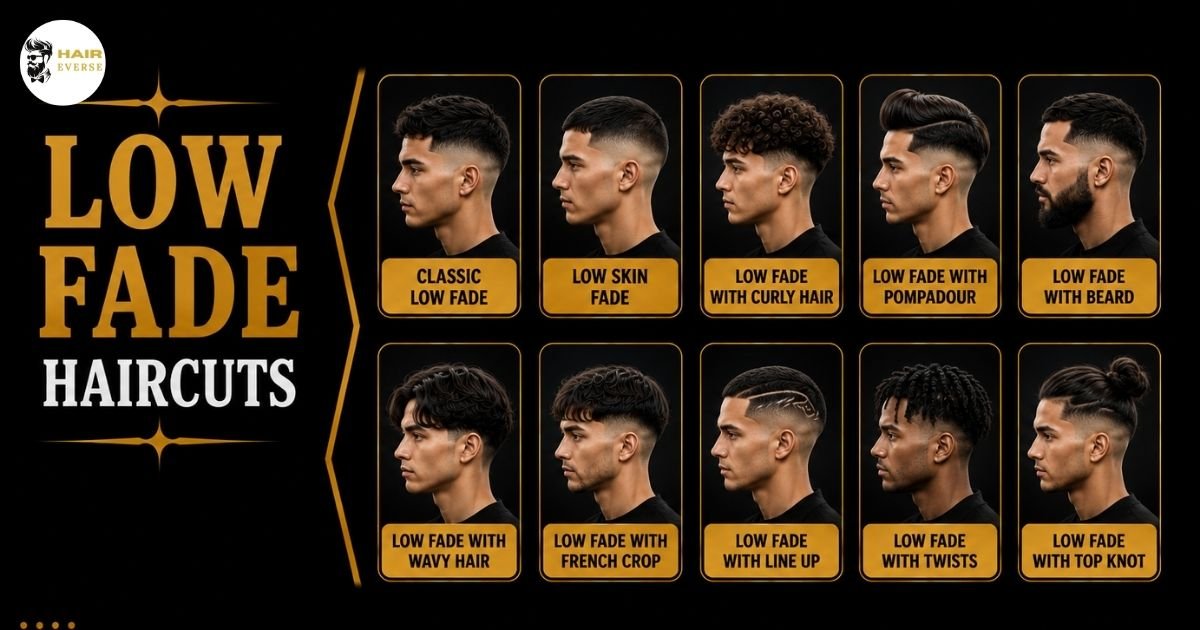
It’s attractive because it’s subtle enough for a job interview yet still sharp enough to photograph well, but choosing the right variation among dozens of options is where most guys get stuck. This guide breaks down 30 real low fade styles, matched to hair type and face shape, so you walk into your next appointment already knowing what to ask for.
Low Fade Haircut Comparison Table
Here are style, type, face shape, mintenance and styling time comparison detailed table.
| Hairstyle | Best Hair Type | Face Shape | Maintenance | Styling Time |
| Classic Low Fade | All types | Oval, square | Medium | 5 min |
| Low Skin Fade | Straight, wavy | Oval, square | High | 5–10 min |
| Low Taper Fade | All types | All shapes | Low | 3–5 min |
| Low Fade with Curly Hair | Curly | Round, oval | Medium | 10–15 min |
| Low Fade with Straight Hair | Straight | Oval, long | Medium | 5–10 min |
| Low Fade with Wavy Hair | Wavy | Oval, square | Medium | 10 min |
| Low Fade with Coily/4C Hair | Coily | Round, oval | Medium | 10–15 min |
| Low Drop Fade | Wavy, curly | Round | Medium | 10 min |
| Low Fade with Beard | All types | Square, oval | Medium | 5–10 min |
| Low Fade Mullet | Wavy, curly | Oval, long | Low | 5–10 min |
| Low Fade with Pompadour | Straight, wavy | Round, square | High | 10–15 min |
| Low Fade with Comb Over | Straight | Oval, square | Medium | 5–8 min |
| Low Fade with Quiff | Straight, wavy | Round, long | Medium | 10 min |
| Low Fade with Slick Back | Straight, wavy | Oval, square | Medium | 8–10 min |
| Low Fade with Faux Hawk | Straight, wavy | Square, oval | Medium | 10 min |
| Low Fade Undercut | All types | Square, long | Low | 5–10 min |
| Low Fade with Fringe/French Crop | Straight, wavy | Round, oval | Low | 5 min |
| Buzz Cut Low Fade | All types | All shapes | Low | 1–2 min |
| Low Fade with Line Up | All types | All shapes | High | 5 min |
| Low Fade with Design | All types | All shapes | High | 5–10 min |
| Afro Low Fade | Coily | Round, oval | Medium | 10–15 min |
| Low Fade with Twists | Coily | Oval, long | Medium | 15–20 min |
| Low Fade with 360 Waves | Coily, curly | Oval, square | Medium | 5–10 min |
| Low Fade Mohawk | Straight, wavy | Square, long | High | 10 min |
| Low Fade with Textured Crop | All types | Oval, round | Low | 5–8 min |
| Low Fade with Spiky Top | Straight | Round, square | Medium | 10 min |
| Low Neck Fade (Bro Fade) | All types | All shapes | Low | 2–3 min |
| Low Fade for Thinning Hair | Fine, thin | Oval, square | Low | 5 min |
| Low Fade with Top Knot | Long, curly | Oval, long | Low | 5 min |
| Low Fade Salt-and-Pepper | All types | All shapes | Low | 5 min |
What Is a Low Fade Haircut Guide?
A low fade haircut starts close to the ear usually half an inch to one and a half inches above it and gradually shortens down to the skin or a near-bald length at the hairline. It’s the most conservative of the fade heights, which is exactly why it reads as polished rather than flashy.
Compared to a mid or high fade, the contrast is softer, making it a safe first fade for anyone nervous about going too bold, and an easy sell in workplaces with a conservative dress code.
Low Fade vs. Taper: What’s the Difference?
This is one of the most common points of confusion at the chair. A taper gradually shortens hair at the edges, nape, sideburns, around the ears without necessarily reaching the skin, so there’s always a little length left even at the shortest point.
A fade, low or otherwise, pushes that gradient all the way down to skin or near-skin, creating a much sharper visual break between the top and the sides. If you want something soft and barely noticeable when it grows out, ask for a taper. If you want a crisp, defined line, a low fade is the better call.
Classic Low Fade Haircut
Overview: The baseline version of the style is a smooth fade starting just above the ear, blending into a couple inches of length on top. Nothing flashy, just clean.
Why It Works: Works on virtually any hair type and face shape, which is why it’s the most requested version in barbershops.
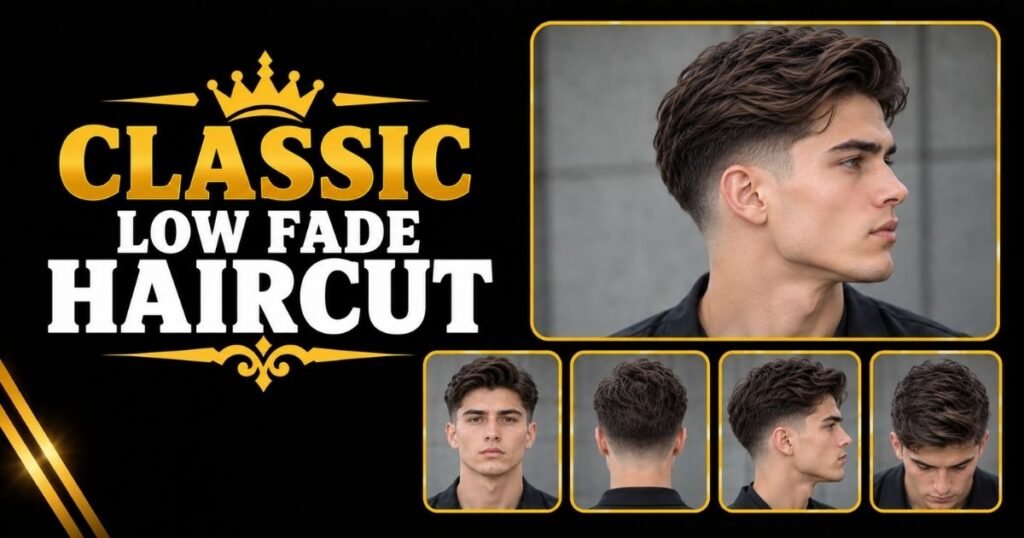
Styling Tip: Work a dime-sized amount of matte pomade through damp hair, then finger-comb into place for natural texture.
Maintenance: Book a trim every 2–4 weeks to keep the fade line from blurring out. Maintenance and styling times are estimates and may vary by hair type.
Low Skin Fade Haircut
Overview: Takes the classic low fade all the way down to bare skin instead of stopping at a short guard length, creating a sharper contrast line.
Why It Works: Pairs especially well with straight or wavy top hair, where the crisp line reads clearly against the skin.
Styling Tip: Use a lightweight sea salt spray on top for texture that doesn’t compete with the sharp sides.
Maintenance: Skin fades grow out faster than guard-length fades, so plan on a touch-up every 1–2 weeks to keep the line crisp. Maintenance and styling times are estimates and may vary by hair type.
Low Taper Fade Haircut
Overview: A gentler cousin of the skin fades, the sides shorten gradually but never fully disappear into bare skin, leaving a hint of length throughout.
Why It Works: The soft transition hides regrowth longer, making it the lowest-maintenance option on this list.
Styling Tip: A light hold cream keeps the top touchable without the stiffness a stronger pomade can leave behind.
Maintenance: This is the easiest fade to stretch between visits most guys go 3–4 weeks before it looks noticeably grown out. Maintenance and styling times are estimates and may vary by hair type.
Low Fade Haircut Curly Hair
Overview: Keeps the sides tight and controlled while letting natural curls stay full and springy on top, so the curl pattern does the visual work.
Why It Works: The tapered sides reduce bulk without disturbing curl definition, and the contrast makes the curls look more intentional.
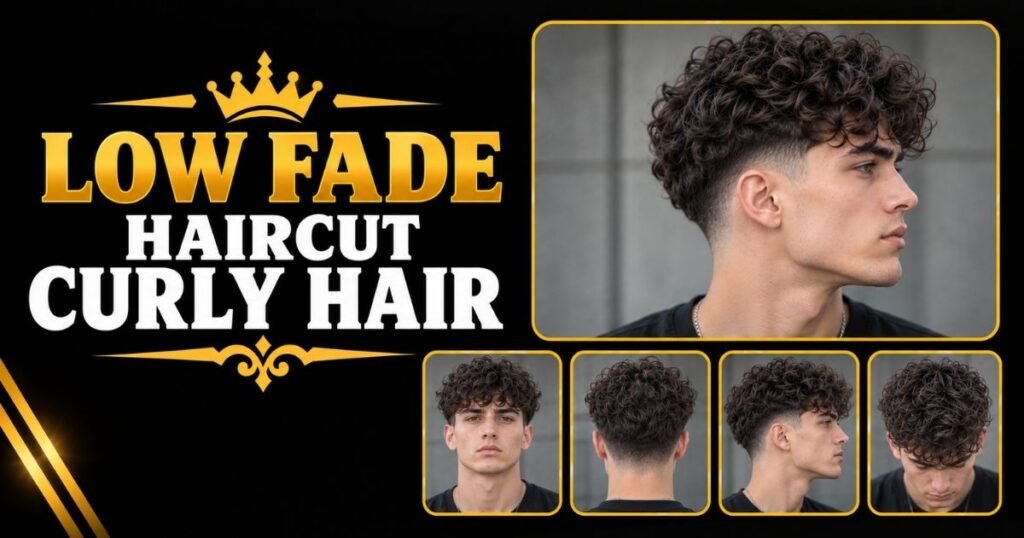
Styling Tip: Apply a curl-defining cream to damp curls and let them air-dry or diffuse to avoid frizz.
Maintenance: Curl patterns hide fade regrowth well, so a trim every 3–4 weeks usually still looks sharp. Maintenance and styling times are estimates and may vary by hair type.
Low Fade with Straight Hair
Overview: Straight hair shows off the fade’s clean lines more clearly than any other texture, so the sides need to be cut with extra precision.
Why It Works: The contrast between the sharp fade and smooth, flat-lying top hair gives a tidy, deliberate look.
Styling Tip: A matte clay adds texture and separation to otherwise flat straight hair without adding shine.
Maintenance: Because lines show clearly on straight hair, book touch-ups every 2–3 weeks before the fade starts looking soft. Maintenance and styling times are estimates and may vary by hair type.
Low Fade with Wavy Hair
Overview: The fade trims away bulk on the sides while the waves on top get room to move and catch light naturally.
Why It Works: Waves add dimension that a flat cut doesn’t have, so this version photographs especially well.
Styling Tip: Scrunch a small amount of sea salt spray into damp hair to enhance natural wave pattern.
Maintenance: A trim every 2–4 weeks keeps the sides clean without disturbing the wave pattern on top. Maintenance and styling times are estimates and may vary by hair type.
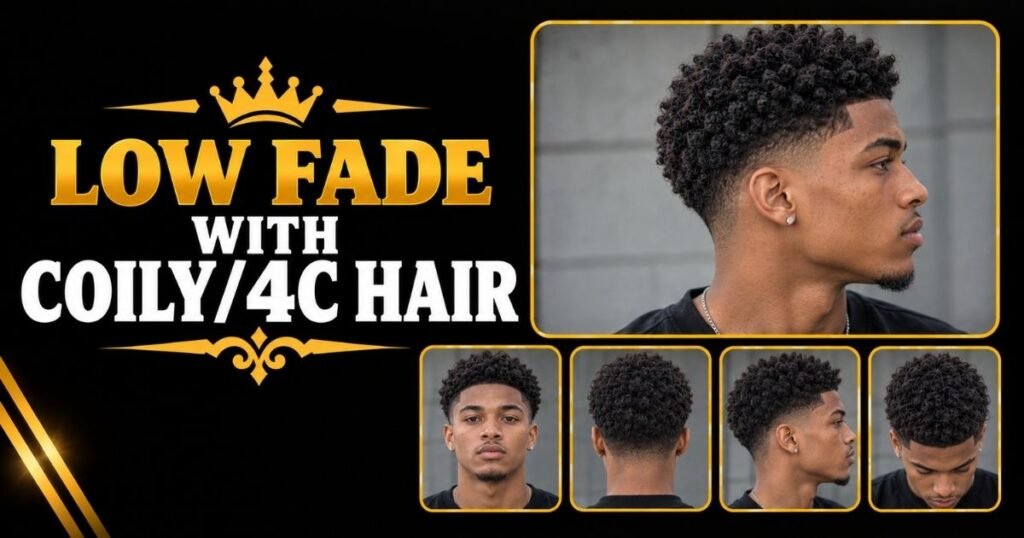
Low Fade with Coily/4C Hair
Overview: Coily hair holds its shape exceptionally well against a low fade, giving strong contrast between the tight sides and full, defined top.
Why It Works: The dense, springy texture on top naturally disguises minor unevenness in regrowth, extending the life of the cut.
Styling Tip: Use a leave-in curl butter to lock in moisture and definition without weighing the coils down.
Maintenance: Regrowth blends into the coil pattern well, so 3–4 weeks between trims is typical. Maintenance and styling times are estimates and may vary by hair type.
Drop Low Fade Haircut
Overview: Instead of a straight horizontal line, the fade curves (“drops”) behind the ear to follow the natural shape of the skull.
Why It Works: The curved line adds visual interest and pairs especially well with rounder head shapes.
Styling Tip: A sea salt spray on top adds the texture needed to match the dynamic curve of the fade below.
Maintenance: Because the curved line is more technical, book with a barber experienced in drop fades and expect a touch-up every 2–3 weeks. Maintenance and styling times are estimates and may vary by hair type.
Low Fade with Beard
Overview: Extends the same fade technique from the hairline down into the beard, blending the two into one continuous, sharp silhouette.
Why It Works: The connected fade line pulls the whole look together and adds structure to a rounder jawline.
Styling Tip: Use a beard balm daily to keep the blended edge soft and prevent flyaways along the fade line.
Maintenance: Trim both the hair and beard fade together every 2–3 weeks so the transition between them stays seamless. Maintenance and styling times are estimates and may vary by hair type.
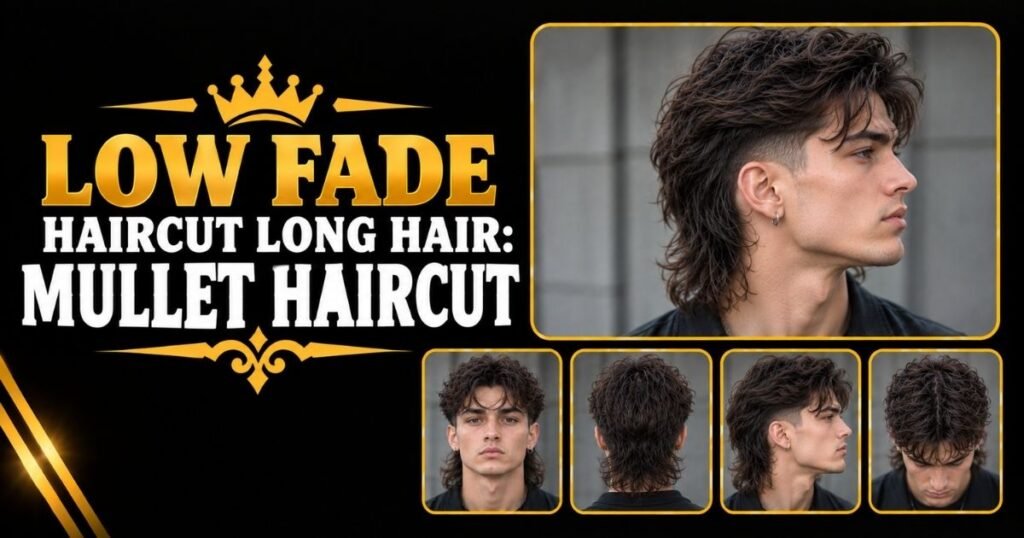
Low Fade Haircut Long Hair: Mullet Haircut
Overview: Keeps length at the back and top while the sides fade low and clean, giving the retro mullet shape a modern, tidy edge.
Why It Works: The tight sides balance out the longer back, keeping the overall look from feeling messy or dated.
Styling Tip: A light styling mousse adds movement to the back without stiffening it into a helmet shape.
Maintenance: The back can go 5–6 weeks between trims, but keep the fade itself fresh every 2–3 weeks. Maintenance and styling times are estimates and may vary by hair type.
Low Fade with Pompadour
Overview: Pairs a swept-back, voluminous top with a clean low fade underneath, giving the height on top somewhere sharp to land.
Why It Works: The fade keeps the silhouette from looking bulky, letting the pompadour’s height be the focal point.
Styling Tip: Blow-dry the top upward and back with a round brush, then set with a strong-hold pomade.
Maintenance: Daily restyling is needed to maintain the height, and the fade itself should be refreshed every 2–3 weeks. Maintenance and styling times are estimates and may vary by hair type.
Low Fade with Comb Over
Overview: A neat side part with hair combed across the top, paired with a low fade for a polished, business-ready finish.
Why It Works: This is one of the most versatile professional looks sharp enough for the office, relaxed enough for everyday wear.
Styling Tip: Comb a shine-enhancing pomade through damp hair before setting the part with a fine-tooth comb.
Maintenance: Trim every 2–3 weeks to keep the part line and fade both looking deliberate rather than grown-out. Maintenance and styling times are estimates and may vary by hair type.
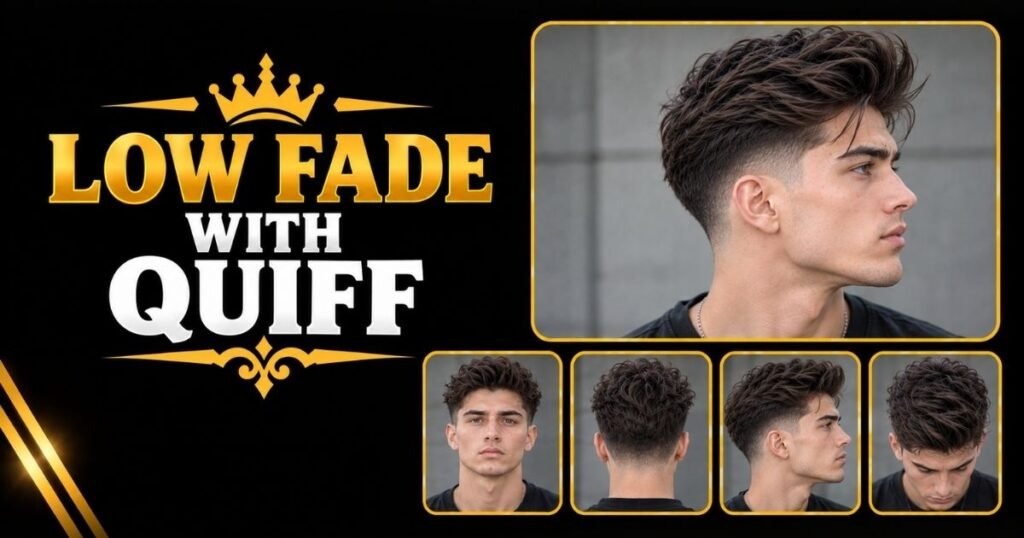
Low Fade with Quiff
Overview: The front section is swept upward and slightly back for lift, while the fade keeps the rest of the head tight and controlled.
Why It Works: Adds height at the front, which is a useful trick for rounder or shorter face shapes.
Styling Tip: Apply a volumizing powder at the roots before blow-drying up and finishing with matte clay.
Maintenance: Restyle daily with product; get the fade itself touched up every 2–3 weeks. Maintenance and styling times are estimates and may vary by hair type.
Medium Low Fade with Slick Back
Overview: All the top hair is combed straight back for a sleek, uniform finish that contrasts cleanly with the faded sides.
Why It Works: A timeless, formal option that works especially well for medium-length hair on top.
Styling Tip: Use a high-shine pomade on damp hair and comb straight back in one motion for a glass-like finish.
Maintenance: Keep the fade fresh every 2–3 weeks; the top can grow a little longer between cuts since length helps the slick-back hold. Maintenance and styling times are estimates and may vary by hair type.
Low Fade with Faux Hawk
Overview: Hair is styled upward through the center of the head for a mohawk effect, without shaving the sides down as dramatically as a true mohawk.
Why It Works: Offers an edgy statement while the low fade keeps the overall look from feeling over the top.
Styling Tip: Use matte clay to pinch and shape the center section upward while the sides stay smooth.
Maintenance: Restyle daily; refresh the fade every 2–3 weeks to keep the sides from overtaking the center strip. Maintenance and styling times are estimates and may vary by hair type.
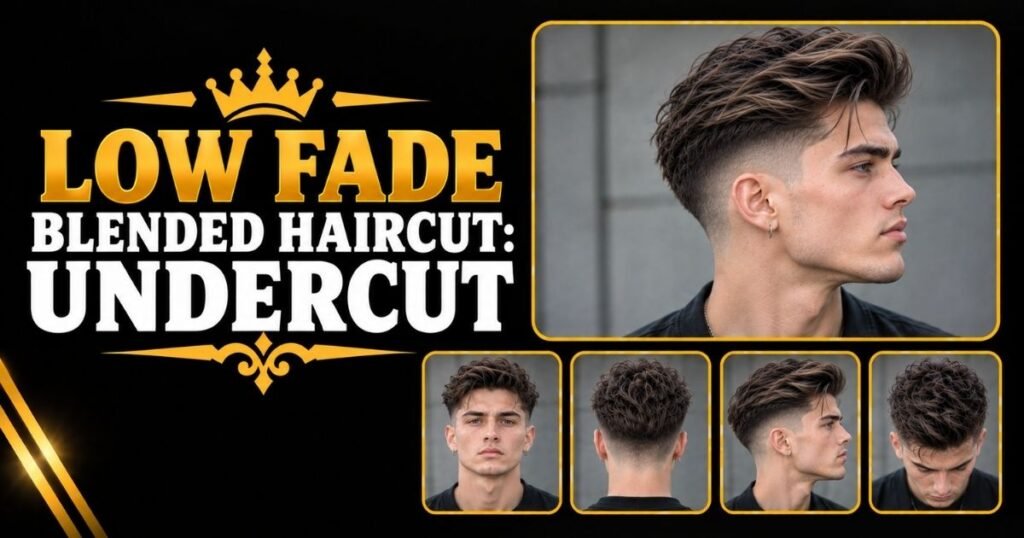
Low Fade Blended Haircut: Undercut
Overview: Creates a visible break between the longer top and the faded sides, rather than a fully blended gradient.
Why It Works: The disconnected look adds edge and pairs with almost any top style, from slick backs to textured crops.
Styling Tip: Use a firm-hold pomade to keep the disconnected line crisp when styling the top.
Maintenance: The disconnect grows out more gracefully than a full blend, so a 3–4 week trim schedule works well. Maintenance and styling times are estimates and may vary by hair type.
Low Fadewith Fringe (French Crop)
Overview: A short, textured fringe sits forward over the forehead while the sides fade low and clean underneath.
Why It Works: One of the most low-effort styles on this list, minimal daily styling is needed to look put together.
Styling Tip: Work a small amount of matte clay through damp hair, then press the fringe forward with fingers.
Maintenance: Trim every 3–4 weeks; the short fringe hides regrowth better than longer top styles. Maintenance and styling times are estimates and may vary by hair type.
Low Fade Haircut Short Hair: Buzz Cut
Overview: A uniformly short top paired with a clean fade on the sides for the lowest-maintenance option in this entire list.
Why It Works: Zero daily styling required, and it works with essentially every hair type and face shape.
Styling Tip: If any product is used at all, a matte styling powder adds slight texture without looking greasy.
Maintenance: Because the top and sides grow out at similar rates, plan on a full trim every 2–3 weeks. Maintenance and styling times are estimates and may vary by hair type.
Low Fade with Line Up (Hard Part)
Overview: A crisp, straight line is shaved either along the hairline or as a hard part dividing the top section, adding a sharp geometric detail.
Why It Works: The precise line gives an already clean fade an extra layer of polish and definition.
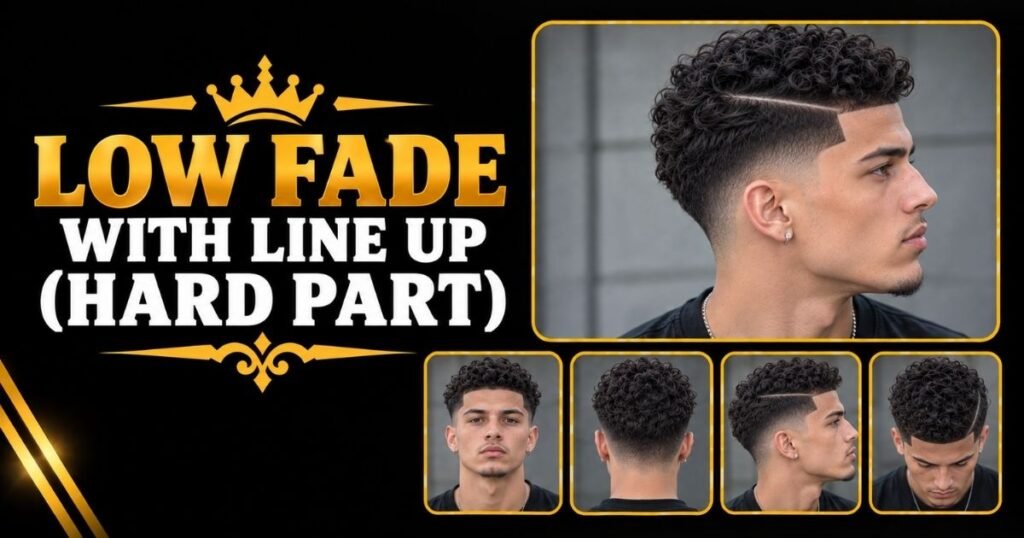
Styling Tip: Comb hair away from the part with a light-hold pomade to keep the shaved line visible.
Maintenance: The line needs a touch-up every 1–2 weeks to stay crisp, even if the fade underneath can wait longer. Maintenance and styling times are estimates and may vary by hair type.
Low Fade with Design (Shaved Lines)
Overview: Custom shaved patterns, from simple lines to more intricate designs, are added into the faded section for a personalized finish.
Why It Works: Turns a standard fade into a genuine style statement without needing to change the top hair at all.
Styling Tip: Keep the top simple and short so the design stays the visual focus rather than competing with it.
Maintenance: Designs grow out fastest of any style here expect to touch up every 1–2 weeks to keep the pattern sharp. Maintenance and styling times are estimates and may vary by hair type.
Afro Low Tight Fade Haircut
Overview: A rounded, voluminous afro on top is paired with a tightly faded perimeter, keeping the shape controlled without flattening the natural volume.
Why It Works: The tight sides give the afro a defined outline, making the natural texture look shaped rather than just grown out.
Styling Tip: Use an afro pick to lift roots and a light curl cream to define shape without adding weight.
Maintenance: The perimeter fade needs a refresh every 2–3 weeks, while the afro itself just needs regular picking and moisturizing. Maintenance and styling times are estimates and may vary by hair type.
Twists Low Fade Haircut Black
Overview: Two-strand twists on top add defined texture and pattern, while the low fade keeps the sides clean and controlled.
Why It Works: The twists give the top real dimension, and the tight sides prevent the overall look from reading as unstructured.
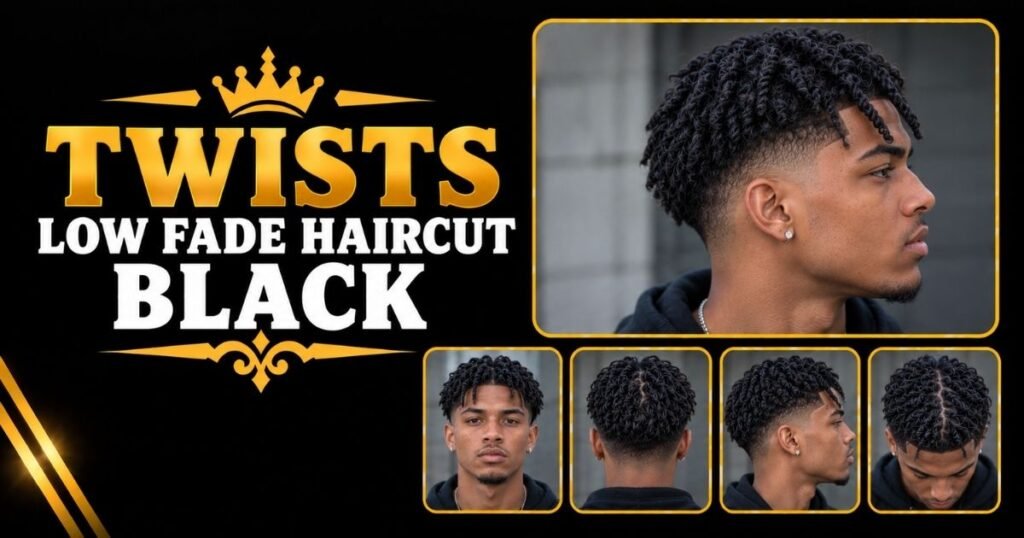
Styling Tip: Use a twisting cream on damp hair to define each section and reduce frizz as the twists set.
Maintenance: Re-twist every 1–2 weeks as needed, and refresh the fade every 2–3 weeks. Maintenance and styling times are estimates and may vary by hair type.
Low Fade Haircut with 360 Waves
Overview: Short, brushed hair forms a rippling wave pattern across the top, framed by a clean low fade on the sides.
Why It Works: The fade gives the wave pattern a defined edge to work toward, making the ripples more visible.
Styling Tip: Brush in the same direction daily with a wave pomade, and wear a durag overnight to lock the pattern in.
Maintenance: Fade touch-ups every 2–3 weeks; consistent daily brushing matters more than any single haircut for keeping waves sharp. Maintenance and styling times are estimates and may vary by hair type.
Low Fade Mohawk
Overview: A true mohawk strip runs down the center of the head, with the sides shaved down into a low fade rather than fully bald.
Why It Works: The fade softens the mohawk’s usual harshness, making it wearable outside of purely alternative style settings.
Styling Tip: Use a strong-hold gel or wax to keep the center strip standing upright throughout the day.
Maintenance: Restyle daily and refresh the fade every 1–2 weeks since the contrast is high and grows out quickly. Maintenance and styling times are estimates and may vary by hair type.
Low Fade with Textured Crop
Overview: Short, choppy texture on top is left slightly longer at the fringe, paired with a fade that keeps everything else tidy.
Why It Works: One of the most effortless-looking styles here, since the texture is designed to look a little undone.
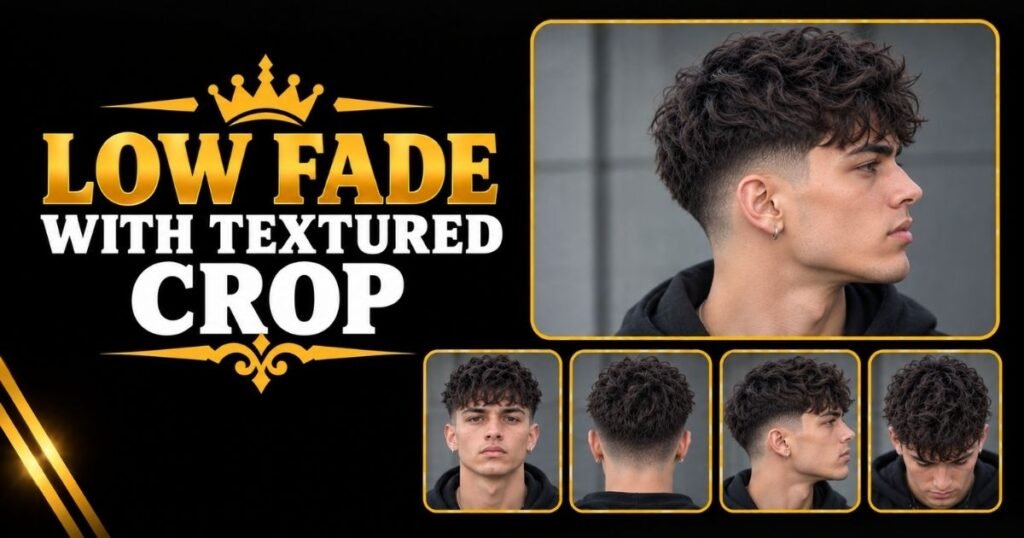
Styling Tip: Scrunch a small amount of matte clay or fiber paste into towel-dried hair to separate the pieces.
Maintenance: Trim every 3–4 weeks; the choppy texture is forgiving of minor regrowth between visits. Maintenance and styling times are estimates and may vary by hair type.
Low Fade Haircut with Spiky Tops
Overview: Short top hair is styled into defined spikes for a bold finish, balanced underneath by a clean, unobtrusive low fade.
Why It Works: The fade keeps the sides from competing with the spikes, so the texture on top stays the clear focal point.
Styling Tip: Apply matte clay to dry hair and pinch small sections upward with fingertips for structured spikes.
Maintenance: Restyle daily; refresh the fade every 2–3 weeks to keep the sides from softening the spiked silhouette. Maintenance and styling times are estimates and may vary by hair type.
Neck Low Fade Haircut (Bro Fade)
Overview: The fade is concentrated only at the nape and hairline, leaving the rest of the sides and top slightly longer and more natural.
Why It Works: A subtler alternative for guys who want the clean-up of a fade without a dramatic contrast up the sides.Styling Tip: A light styling cream is enough to control flyaways without flattening natural texture.
Maintenance: This is one of the more forgiving fades to grow out a trim every 3–5 weeks usually still looks tidy. Maintenance and styling times are estimates and may vary by hair type.
Low Fade for Thinning Hair
Overview: Keeps the top short and the sides tightly faded, which reduces the contrast between thicker and thinning areas.
Why It Works: Shorter length on top makes thinning far less noticeable than longer styles that highlight gaps in density.
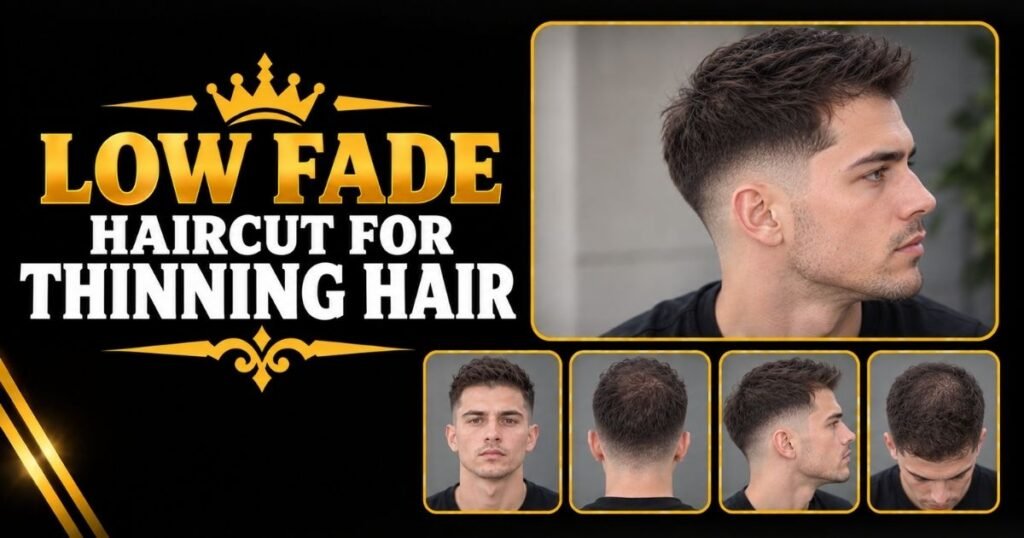
Styling Tip: A texturizing powder at the crown adds the appearance of extra density without heavy product buildup.
Maintenance: Trim every 3–4 weeks; keeping length consistent is more important here than with thicker hair types. Maintenance and styling times are estimates and may vary by hair type.
Low Fade Haircut with Top Knot
Overview: Longer hair on top is tied into a small knot or bun, while the sides underneath are kept clean with a low fade.
Why It Works: The fade prevents the overall look from feeling shaggy, giving long-hair styles a sharper frame.
Styling Tip: Use a texturizing spray before tying the knot to give it more grip and less slip throughout the day.
Maintenance: The fade needs a refresh every 2–3 weeks, but the longer top can go months between trims if you’re growing it out. Maintenance and styling times are estimates and may vary by hair type.
Low Fade Salt-and-Pepper Style
Overview: The same classic low fade technique, styled to work with natural gray or salt-and-pepper hair rather than fighting it.
Why It Works: A tight fade keeps a mature look sharp and current instead of dated, letting the natural color do the talking.
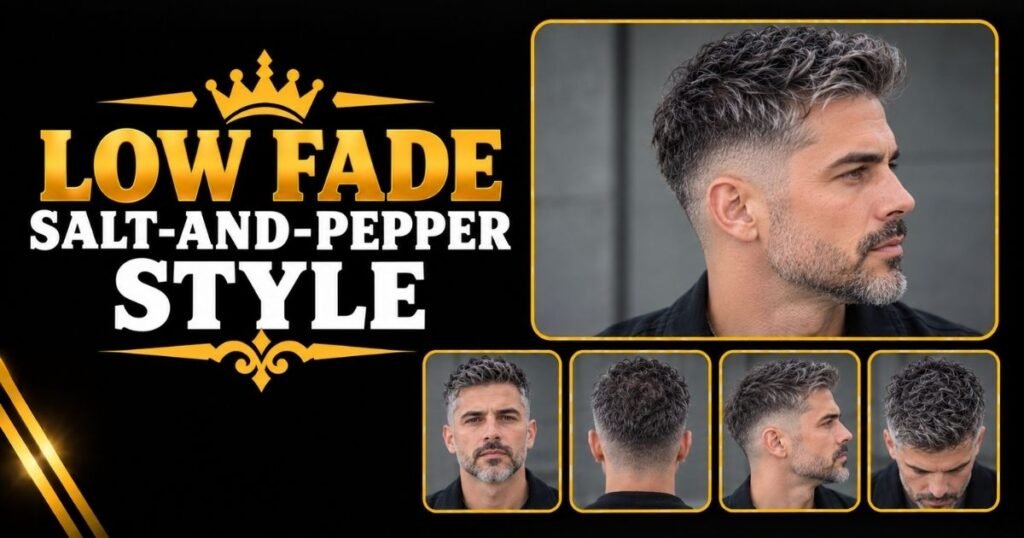
Styling Tip: A light matte cream avoids the shine that can make gray hair look flat or greasy under light.
Maintenance: Trim every 3–4 weeks; gray hair can sometimes have a coarser texture that holds the fade shape a little longer. Maintenance and styling times are estimates and may vary by hair type.
How to Choose the Right Low Fade Haircut?
The style you land on should come from your hair type and face shape working together, not just a photo you liked on Instagram.
Hair Types:
- Thick hair: Handles almost any top style well; a fade helps manage bulk on the sides without touching the volume on top.
- Thin hair: Shorter top lengths (crops, buzz cuts) create the appearance of more density than longer styles.
- Curly hair: Look for barbers experienced with curl patterns; a slightly looser fade preserves curl definition better than a skin fade.
- Straight hair: Shows fade lines the most clearly, so precision cutting matters more here than with any other texture.
- Wavy hair: A mid-length top gives waves room to move without losing the fade’s clean structure.
Face Shapes:
- Oval: Nearly every style on this list works pick based on lifestyle and maintenance tolerance.
- Round: Add height on top (quiff, pompadour, faux hawk) to visually lengthen the face.
- Square: A longer top with a low fade softens strong jawlines while still highlighting them.
- Long/Oblong: Keep the top shorter and skip added height to avoid emphasizing length further.
Is a Low Fade Haircut Good for Curly Hair?
Yes a low fade is one of the better fade heights for curly hair because it leaves more length on top for the curl pattern to show, without adding the bulk a longer, un-faded cut would carry on the sides. The key is finding a barber comfortable cutting curly textures dry, since curls can spring up differently than they hang when wet, which affects where the fade line should actually sit.
How to Ask Your Barber for a Low Fade Haircut?
Don’t leave your appointment to guesswork. A little preparation goes a long way toward getting the exact look you pictured.
- Bring one or two clear reference photos, ideally from a similar hair type to yours
- Specify the exact top length you want, in inches or by how it should style
- Mention your preferred maintenance routine so your barber can recommend the right guard numbers (a #2 leaves more length than a #0)
- Ask specifically for “low” fade placement just above the ear to avoid ending up with a mid fade instead
- Describe your daily styling routine so the cut is built for how you’ll actually wear it
- Confirm the final shape and fade height with a mirror check before the barber puts the clippers away
Product Recommendations
Hair Cream Best For: Fine to medium hair needing light, natural-looking hold. How To Use: Work a small amount through damp hair and style with fingers for a soft, matte finish.
Pomade Best For: Straight or wavy hair styled into slick backs, comb overs, or pompadours. How To Use: Warm a dime-sized amount between palms and comb through for shine and structural hold.
Wax Best For: Thicker hair needing strong, long-lasting hold for spikes or textured looks. How To Use: Apply to dry hair in small sections, working from roots to ends for maximum control.
Matte Clay Best For: Adding texture and separation without shine, especially on crops and quiffs. How To Use: Rub between palms until slightly warm, then work through dry hair for a piece-y, natural finish.
Shampoo Best For: Keeping the scalp clean, especially important on skin fades with more exposed skin. How To Use: Use a gentle, sulfate-free formula 2–3 times a week to avoid drying out the scalp.
Conditioner Best For: Keeping curly and coily top lengths hydrated and manageable between wash days. How To Use: Apply to mid-lengths and ends, focusing away from the scalp to avoid weighing down roots.
Confuse to Choose Right Haircuts
- Long hairstyles for men open up styling options once hair passes the ears and reaches the collar or shoulders, making room for waves, layers, buns, and ponytails. This guide covers modern long styles like the wolf cut, man bun, and layered flow, matched to hair texture and face shape, with tips on keeping longer hair manageable and sharp.
- Big forehead hairstyles rely on the right fringe, height, and fade choices to soften a wider forehead rather than emphasize it. This guide covers modern cuts matched to hair type and face shape, so you can find a style that balances your proportions and stays easy to maintain.
- Beard fade styles blend facial hair smoothly into a clean, defined edge, creating a sharper jawline without a harsh, obvious line. This guide covers modern fade variations matched to face shape, hair texture, and beard length, with tips on getting a seamless blend that looks polished day to day.
- Side part haircuts for men offer a timeless, versatile look that works across hair types and face shapes, from classic hard parts to modern textured finishes. This guide covers 35 trending styles for 2026, with styling tips to help you find a clean, easy-to-maintain part that suits your everyday routine.
- The undercut haircut pairs short, clipped sides with a noticeably longer top, creating sharp contrast that can be kept as a hard line or blended into a smooth fade. This guide covers 35 undercut and undercut fade styles, matched to hair type and face shape, with barber tips to help you get the exact look you want.
- Hairstyles for men in 2026 range from low-maintenance buzz cuts and crew cuts to bold textured tops like spikes, quiffs, and undercuts, giving guys options for nearly every hair type, face shape, and lifestyle.
- Fades remain one of the most versatile haircut styles, and there’s a lot of nuance in getting the right one. Our detailed breakdown of skin fade haircuts covers everything from styling to upkeep, while our comparison of low fade vs mid fade vs high fade helps you pinpoint exactly where you want the blend to start.
- If you’re drawn to something edgier, check out our guide to the mohawk fade haircut, or for a cleaner, sharper look, our take on the mid fade haircut is worth a read.
- Not sure how to communicate what you want in the chair? Our guide on how to ask your barber for a fade walks you through the exact terminology to use. And if you’re considering something lower-maintenance, our comparison of modern mullet and buzz haircuts is a great place to start.
Final Thoughts
A low fade earns its popularity honestly. It’s sharp enough to notice, subtle enough to wear anywhere, and flexible enough to pair with almost any hair type or top style you already like. The real work isn’t finding a photo you like; it’s matching the fade height, hair type, and face shape so it actually flatters you, then communicating that clearly to your barber.
Whether you land on a classic low fade, a curl-forward afro fade, or something with a custom design cut into the sides, don’t be afraid to experiment across a few appointments before settling on your go-to. Bring this guide, point to what fits your hair and face shape, and let your barber take it from there.
FAQs
Where exactly should the fade guideline start?
The fade line typically starts 0.75 to 1.5 inches above the top of the ear, curving slightly around the ear toward the back. Going higher than that turns it into a mid fade instead.
What’s the biggest mistake people make when cutting a low fade?
Placing the guideline too high is the most common error, which accidentally creates a mid fade instead. Confirming the exact starting point with a mirror before cutting helps avoid this.
How do you blend a fade so there are no visible lines?
Blending relies on making many overlapping passes with a “flick-out” motion, reducing pressure as the clipper moves upward. Rushing this step is what causes harsh, choppy lines.
Should hair be wet or dry when cutting a fade?
Fades should always be cut on dry hair since wet hair clumps together and hides the true length and blend. Wash and fully dry the hair before starting.
What neckline style works best with a low fade?
A tapered neckline blends the fade gradually into the natural hairline for a soft, natural look. A blocked neckline instead uses a straight trimmer line for a sharper, more defined finish.
How often should a low fade be touched up to stay sharp?
Every 2-3 weeks keeps the guideline and blend looking fresh. Waiting longer causes the line to soften and blur as new growth fills in.
Which is the Simple Low Fade Haircut?
The simplest fade haircut is the low drop taper fade, because it removes the least amount of hair and follows a simple, natural curve around the ear and down the neck.