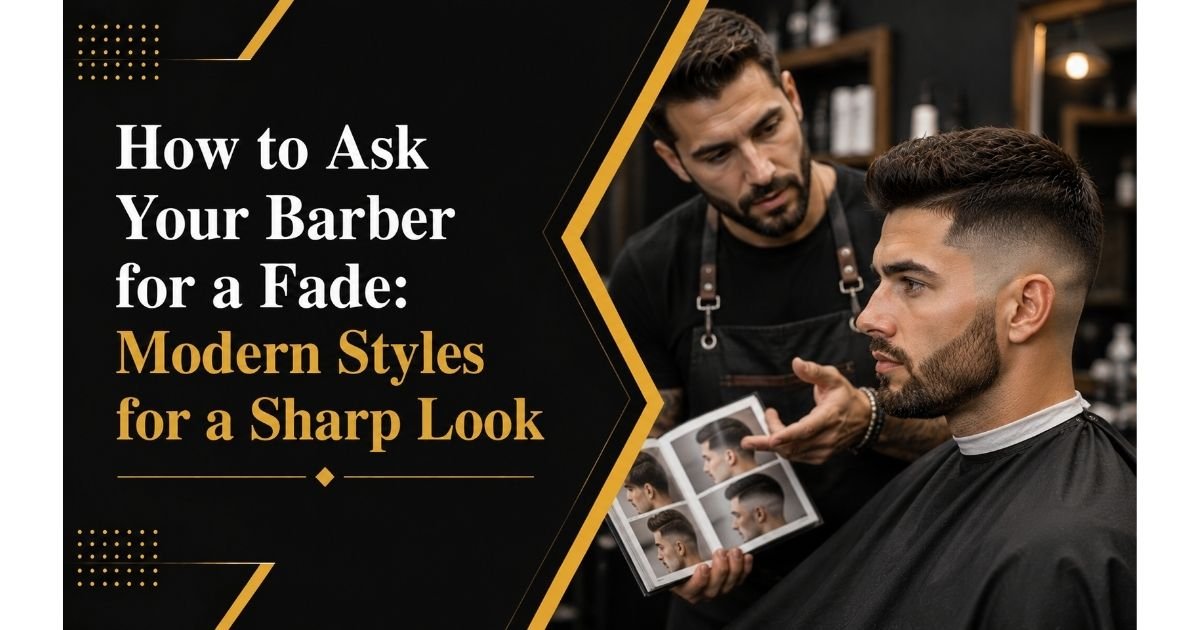
How to Ask Your Barber for a Fade: Modern Styles for a Sharp Look
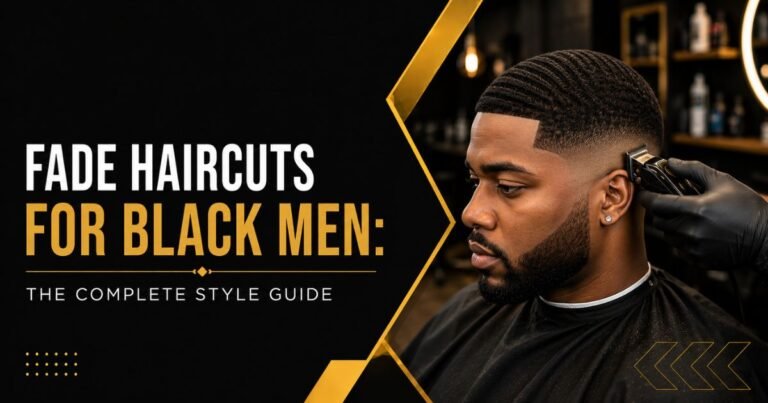
How to Ask Your Barber for a Fade starts with knowing the three key details: the fade height, the finish (skin, bald, or shadow), and the length you want on top. Clear communication, a reference photo, and mentioning your hair type and face shape help your barber create the look you expect.
Once you understand the terminology and popular fade variations, you’ll be able to request a haircut with confidence and leave the barbershop with a clean, well-blended style. Taking a few minutes to explain your preferences can prevent misunderstandings and ensure the final cut matches your vision. With the right instructions and a little preparation, you’ll enjoy a fade that suits your features, lifestyle, and grooming routine.
Fade Style Comparison Table
Here is the Comparison Table of Fade Style, Best Hair Type, Face Shape, Maintenance, and Styling Time:
| Fade Style | Best Hair Type | Face Shape | Maintenance | Styling Time |
| Low Fade | All types | Round, Square | Medium | 5 min |
| Mid Fade | All types | Oval, Square | Medium | 5 min |
| High Fade | Straight, Wavy | Long, Oval | High | 5–10 min |
| Skin Fade | All types | Any | High | 5 min |
| Bald Fade | All types | Any | High | 5 min |
| Shadow Fade | Thick, Curly | Round, Oval | Medium | 5 min |
| Taper Fade | All types | Any | Low | 5 min |
| Burst Fade | Curly, Wavy | Round, Square | Medium | 10 min |
| Drop Fade | Curly, Thick | Oval, Long | Medium | 10 min |
| Temple Fade | All types | Any | Low | 5 min |
How to Ask Your Barber for a Fade: 35 Modern Styles for a Sharp Look
A fade haircut creates a clean, modern appearance by gradually blending the hair from longer on top to shorter on the sides and back. With options ranging from low and subtle to high and bold, there’s a fade to suit every face shape, hair type, and personal style.
The right fade enhances your features while keeping your hairstyle neat and easy to maintain. This guide explores 35 fade haircut styles to help you find the perfect look for your next barber visit.
Low Fade
Overview: A low fade starts just above the ear and blends gradually into the length on top, keeping most of the tapering close to the hairline.
Why It Works: Works well with round and square face shapes and suits nearly every hair type, making it a safe starting point for first-time fade clients.
Styling Tip: Use a small amount of matte clay on the top section to add texture without shine.
Maintenance: Get it trimmed every 3 to 4 weeks to keep the taper from growing out unevenly. Maintenance and styling times are estimates and may vary by hair type.
Mid Fade
Overview: A mid fade begins at the temple and tapers about halfway up the head, offering more contrast than a low fade without looking extreme.
Why It Works: Flatters oval and square faces and gives versatility for both casual and office settings.
Styling Tip: A lightweight pomade keeps the top controlled while letting the fade show clearly at the sides.
Maintenance: Book a touch-up every 3 weeks since the higher starting point grows out faster than a low fade. Maintenance and styling times are estimates and may vary by hair type.
High Fade
Overview: A high fade starts near the top of the head, creating a bold, high-contrast look between the short sides and longer top.
Why It Works: Best suited to long or oval faces since the height adds visual balance, and works cleanest on straight or wavy hair.
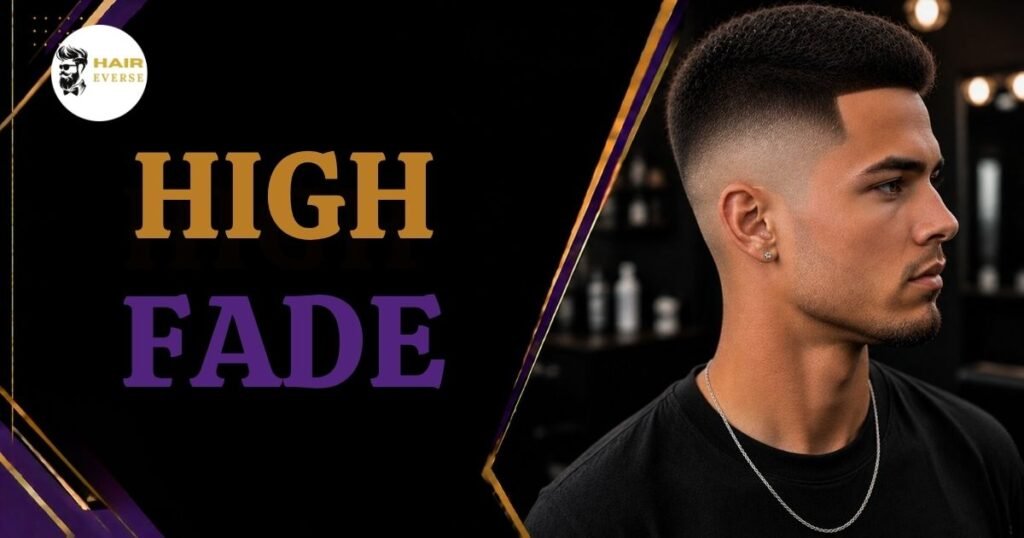
Styling Tip: Use a strong-hold cream to keep the longer top standing or swept without collapsing.
Maintenance: Because so little length is left at the sides, plan on visiting the barber every 2–3 weeks. Maintenance and styling times are estimates and may vary by hair type.
Bald Fade
Overview: A bald fade tapers all the way down to bare skin at its lowest point, usually finished with a straight razor for a crisp edge.
Why It Works: Suits any face shape and hair type since the sharp line draws attention upward, away from jaw or cheek width.
Styling Tip: Apply a light sea salt spray to the top for texture that contrasts against the clean-shaven sides.
Maintenance: Skin regrowth shows quickly, so a 2-week touch-up schedule keeps the line sharp. Maintenance and styling times are estimates and may vary by hair type.
Skin Fade
Overview: A skin fade looks similar to a bald fade but leaves a whisper of stubble rather than going fully bare, achieved with the lowest clipper guard.
Why It Works: A good option for anyone who wants the sharp look of a bald fade with slightly less upkeep, and it suits every face shape.
Styling Tip: A matte wax on top keeps the contrast clean without adding shine that competes with the close sides.
Maintenance: Plan for a refresh every 2–3 weeks as the stubble grows out. Maintenance and styling times are estimates and may vary by hair type.
Shadow Fade
Overview: A shadow fade leaves a soft, light layer of hair at its shortest point instead of going bald, creating a gentler transition.
Why It Works: A strong pick for thick or curly hair types and rounder faces, since the softer contrast doesn’t emphasize width.
Styling Tip: Use a hair cream for a natural finish that keeps the soft blend looking intentional rather than undone.
Maintenance: The gentler fade line grows out more forgivingly, so a 4-week schedule usually works. Maintenance and styling times are estimates and may vary by hair type.
Taper Fade
Overview: A taper fade gradually shortens the hair at the sides and back without ever reaching skin, keeping some length throughout.
Why It Works: Works for any face shape or hair type and is often the easiest fade to grow out gracefully.
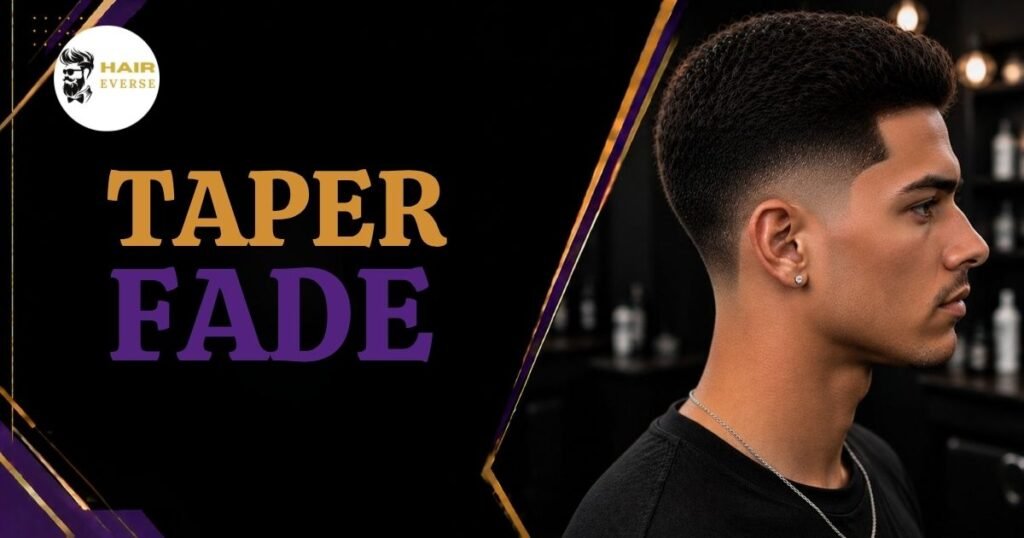
Styling Tip: A light pomade adds shine and holds for a more classic, polished look.
Maintenance: Because there’s no bald line to maintain, a 4–5 week trim schedule is usually enough. Maintenance and styling times are estimates and may vary by hair type.
Burst Fade
Overview: A burst fade curves around the ear in a semi-circle rather than running in a straight line down the back of the head.
Why It Works: Pairs especially well with curly or wavy hair and round or square faces, since the curved line softens angular features.
Styling Tip: Use a curl-defining gel on top to keep the natural texture looking neat rather than frizzy.
Maintenance: The curved shape needs a barber’s attention every 3 weeks to stay crisp. Maintenance and styling times are estimates and may vary by hair type.
Drop Fade
Overview: A drop fade curves downward behind the ear, dropping to a lower point at the back of the head than where it starts at the front.
Why It Works: Complements curly or thick hair types and oval or longer faces by adding visual width at the back.
Styling Tip: A texturizing cream helps define curls or waves on top so they contrast cleanly with the dropped line.
Maintenance: The curved drop line needs a skilled barber every 3 weeks to keep its shape. Maintenance and styling times are estimates and may vary by hair type.
Temple Fade
Overview: A temple fade keeps the fading contained to the temple area rather than wrapping around the whole head, leaving more length at the back.
Why It Works: A subtle option that works with any hair type or face shape and reads as more professional than a full fade.
Styling Tip: A light hair cream keeps the longer sections looking neat without weighing hair down.
Maintenance: Because less area is faded, a 5-week schedule is often plenty. Maintenance and styling times are estimates and may vary by hair type.
Low Bald Fade
Overview: This combines the low starting point of a low fade with the fully bald finish of a skin fade, keeping the drama close to the ear.
Why It Works: A subtler take on the bald fade that still suits round and square faces without looking too aggressive.
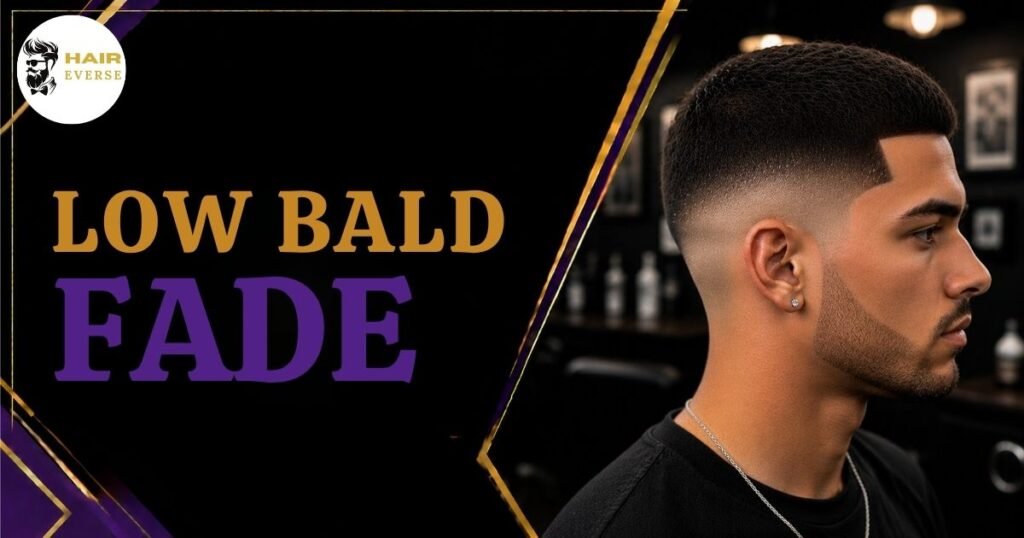
Styling Tip: Pair with matte clay on top to keep the overall look understated rather than flashy. Maintenance: Book every 2 weeks since bald sections grow back visibly fast. Maintenance and styling times are estimates and may vary by hair type.
High Bald Fade
Overview: This pairs a high starting point with a fully bald finish, creating the sharpest, most dramatic contrast of any fade on this list.
Why It Works: Suits long or oval faces best, since the height and contrast add structure to the sides of the head.
Styling Tip: Use a strong-hold cream or wax to keep the remaining top hair styled with intention.
Maintenance: Expect to visit the barber every 2 weeks to keep the sharp line looking fresh. Maintenance and styling times are estimates and may vary by hair type.
Low Skin Fade
Overview: A low skin fade keeps the fading close to the ear but finishes with light stubble instead of bare skin.
Why It Works: A softer alternative to the low bald fade that still suits any face shape.
Styling Tip: A light pomade on top keeps the style from looking too severe next to the close sides.
Maintenance: A 3-week schedule keeps the stubble line looking intentional. Maintenance and styling times are estimates and may vary by hair type.
Mid Skin Fade
Overview: This starts at the temple like a standard mid fade but finishes with the close stubble of a skin fade rather than more length.
Why It Works: Balances oval and square faces well and gives a crisper look than a standard mid fade.
Styling Tip: A texturizing cream on top helps define movement against the tight sides.
Maintenance: A 3-week visit schedule keeps the contrast looking sharp. Maintenance and styling times are estimates and may vary by hair type.
High Skin Fade
Overview: This combines a high starting point with the close stubble finish of a skin fade for a bold but slightly softer look than a high bald fade.
Why It Works: Works especially well on long or oval faces since the height draws the eye upward.
Styling Tip: Use a matte styling cream to keep the top looking natural rather than glossy.
Maintenance: Plan on a 2–3 week schedule to keep the high line crisp. Maintenance and styling times are estimates and may vary by hair type.
Taper Bald Fade
Overview: This blends the gradual, no-bald-spot look of a taper with a bald finish deep at the nape or behind the ears only.
Why It Works: A good middle ground for anyone who wants a defined edge without full-head skin exposure, suited to any face shape.
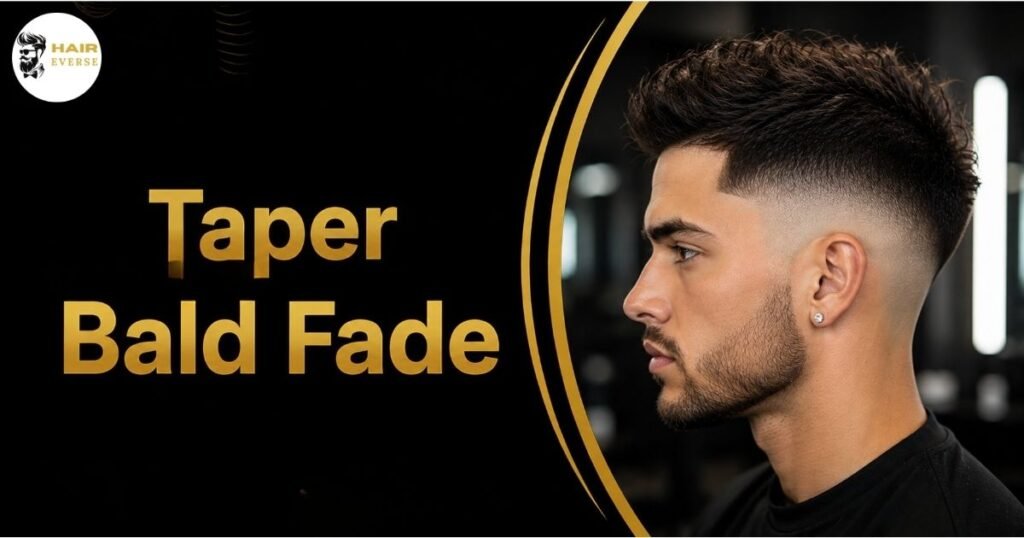
Styling Tip: A light hair cream keeps the taper section looking soft and natural.
Maintenance: A 3–4 week schedule works well since most of the cut is a gentler taper. Maintenance and styling times are estimates and may vary by hair type.
Fade with Line Up
Overview: This adds a crisp, straight-razor line along the front hairline to any fade style, sharpening the overall silhouette.
Why It Works: Works with every hair type and adds structure to round or square faces by defining the hairline’s edge.
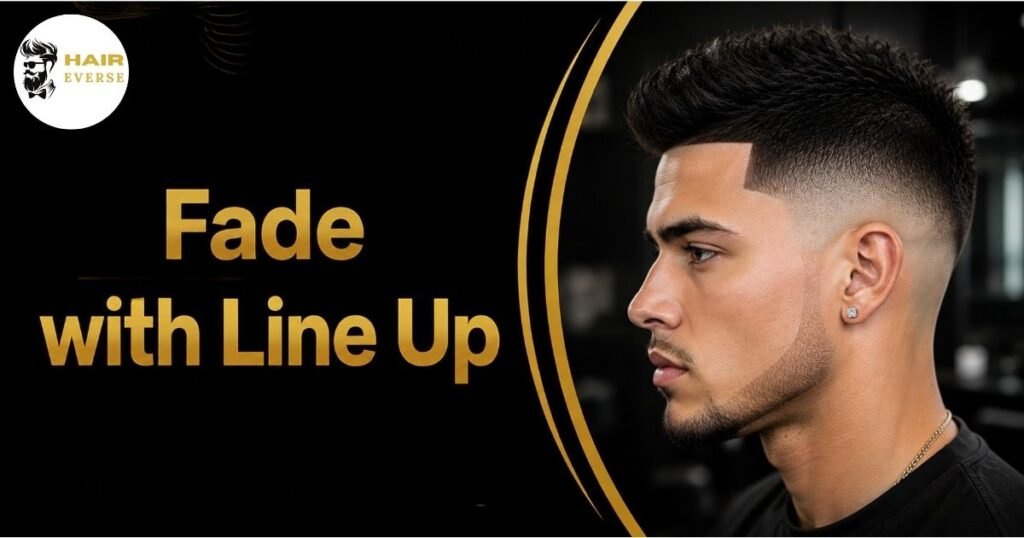
Styling Tip: Keep styling product away from the line-up itself so it stays crisp and doesn’t blur.
Maintenance: Line-ups grow out fastest of all, so a 1–2 week touch-up keeps it sharp. Maintenance and styling times are estimates and may vary by hair type.
Fade with Beard Line Up
Overview: This pairs a fade with a defined beard edge, connecting the sideburns cleanly into the facial hair for a unified look.
Why It Works: Especially useful for square and oval faces, since a connected line creates one continuous frame around the face.
Styling Tip: A beard balm keeps the connecting hair soft while the line itself stays sharply defined.
Maintenance: Both the fade and the beard line need attention every 2 weeks to stay connected cleanly. Maintenance and styling times are estimates and may vary by hair type.
Fade with Hard Part
Overview: A hard part is a thin shaved line cut into the side of the head to hold a comb-over or side part in place.
Why It Works: Works best on straight or wavy hair and suits oval and round faces by adding a crisp, deliberate part.
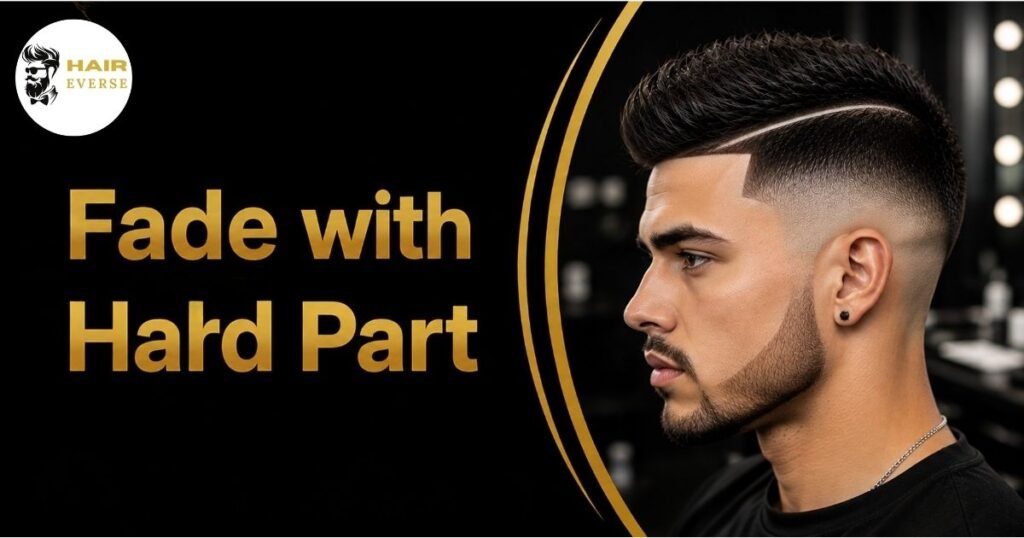
Styling Tip: Use a firm-hold pomade to keep the part combed cleanly toward the hard line.
Maintenance: The shaved line needs a refresh every 1–2 weeks since it grows out visibly fast. Maintenance and styling times are estimates and may vary by hair type.
Undercut Fade
Overview: An undercut fade combines the sharp, disconnected contrast of an undercut with a gradual fade instead of one abrupt length change.
Why It Works: Works well for thick or straight hair and suits square or long faces thanks to the strong top-to-side contrast.
Styling Tip: A strong-hold cream or wax helps the longer top hold its shape through the day.
Maintenance: A 3-week schedule keeps the fade portion from growing out unevenly. Maintenance and styling times are estimates and may vary by hair type.
Textured Crop Fade
Overview: This pairs a low or mid fade with a choppy, textured crop on top, giving a relaxed, low-maintenance finish.
Why It Works: Suits thick or wavy hair especially well and flatters most face shapes thanks to its soft, natural texture.
Styling Tip: Work a matte clay through damp hair with your fingers to enhance the choppy texture.
Maintenance: A 4-week schedule is usually enough since the textured top hides regrowth well. Maintenance and styling times are estimates and may vary by hair type.
Buzz Cut Fade
Overview: This keeps the top uniformly short like a classic buzz cut, with the sides fading down for added shape.
Why It Works: One of the lowest-maintenance fades, working for every face shape and most hair types.
Styling Tip: A light matte spray adds texture without needing daily styling effort.
Maintenance: A 3-week schedule keeps the buzzed top and faded sides looking uniform. Maintenance and styling times are estimates and may vary by hair type.
Ivy League Fade
Overview: An Ivy League fade pairs a classic, slightly longer crew-cut top with tapered or faded sides for a polished, professional look.
Why It Works: A safe, versatile option for oval and round faces and works with straight or wavy hair types.
Styling Tip: A light pomade combed through gives a neat, structured finish suited to office settings.
Maintenance: A 3–4 week schedule keeps the top length manageable. Maintenance and styling times are estimates and may vary by hair type.
Pompadour Fade
Overview: This pairs a voluminous, swept-back pompadour on top with faded sides, creating strong contrast between height and closeness.
Why It Works: Especially flattering for round faces since the height elongates, and works best with straight or wavy hair.
Styling Tip: Blow-dry the top with a round brush before applying a strong-hold cream to lock in the lift.
Maintenance: A 3-week schedule keeps the fade clean under the styled volume. Maintenance and styling times are estimates and may vary by hair type.
Quiff Fade
Overview: A quiff fade combines a shorter, textured quiff swept upward and back with a fade at the sides for a modern, casual finish.
Why It Works: Works for most face shapes and suits straight, wavy, or thick hair types especially well.
Styling Tip: Use a matte paste worked through damp hair for texture, then push the front upward with your fingers.
Maintenance: A 3–4 week schedule keeps the quiff length balanced with the fade. Maintenance and styling times are estimates and may vary by hair type.
Comb Over Fade
Overview: This pairs a side-swept comb over on top with a fade at the sides, often finished with a hard part for extra definition.
Why It Works: A polished option for oval and square faces that works with straight or wavy hair.
Styling Tip: Comb a firm-hold pomade through damp hair in the direction you want it to fall.
Maintenance: A 3-week schedule keeps the fade and part looking sharp together. Maintenance and styling times are estimates and may vary by hair type.
Slick Back Fade
Overview: This combines hair combed straight back on top with a fade at the sides for a sleek, formal look.
Why It Works: Suits long or oval faces particularly well and works best with straight or wavy hair that holds a slicked shape.
Styling Tip: Apply a glossy pomade to damp hair and comb straight back for a polished finish.
Maintenance: A 3–4 week schedule keeps the top length appropriate for slicking back. Maintenance and styling times are estimates and may vary by hair type.
Curly Fade
Overview: This keeps natural curls intact on top while fading the sides, letting the curl pattern stand out against the closer sides.
Why It Works: Built specifically for curly hair types and flatters most face shapes by adding shape without excess bulk.
Styling Tip: Use a curl-defining gel or cream on damp curls to reduce frizz and enhance definition.
Maintenance: A 4-week schedule works since curl volume disguises regrowth better than straight hair. Maintenance and styling times are estimates and may vary by hair type.
Afro Fade
Overview: This pairs a rounded, voluminous afro on top with a tapered or faded side, balancing height with a clean edge.
Why It Works: Designed for coil and curly hair types and suits most face shapes by adding structured shape.
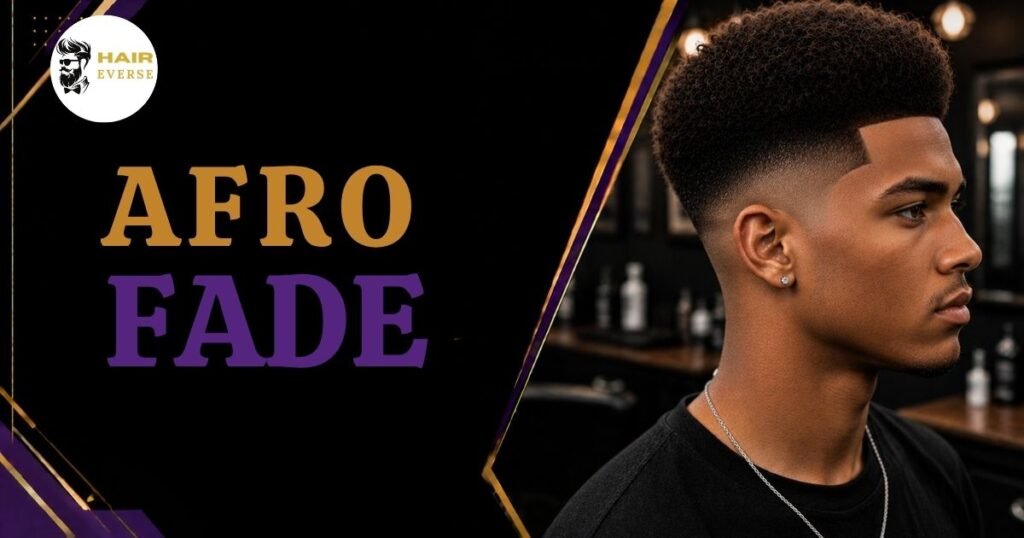
Styling Tip: A lightweight curl cream helps define shape without weighing down natural volume.
Maintenance: A 4–5 week schedule keeps the shape while allowing natural growth. Maintenance and styling times are estimates and may vary by hair type.
Fade with Design
Overview: This adds a shaved pattern, line, or shape into the fade itself, usually near the temple, for a personalized detail.
Why It Works: Works with any hair type and face shape since the design is a stylistic add-on rather than a structural change.
Styling Tip: Keep product away from the design area so the shaved lines stay crisp and visible.
Maintenance: Designs grow out fastest of all, needing a refresh every 1–2 weeks. Maintenance and styling times are estimates and may vary by hair type.
Neckline Fade
Overview: This focuses the fade detail on the nape of the neck, shaping it into a clean curve or straight edge rather than a natural growth line.
Why It Works: Works for any hair type and pairs well with round or square faces by adding a tidy finish at the back.
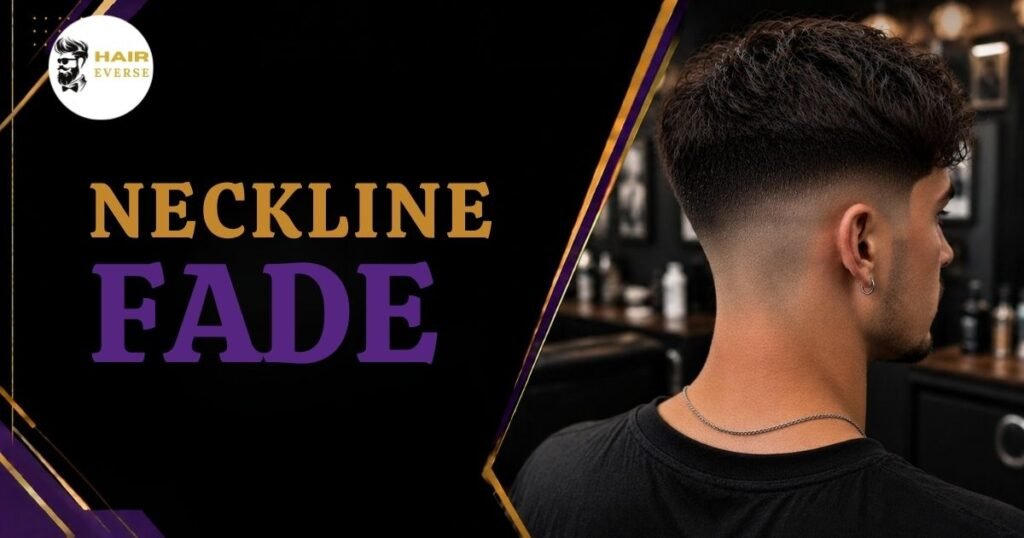
Styling Tip: No special product needed here the tip is asking your barber to define the shape rather than just trim length.
Maintenance: A 2–3 week schedule keeps the neckline from looking overgrown. Maintenance and styling times are estimates and may vary by hair type.
Fringe Fade
Overview: This pairs a textured fringe that falls forward over the forehead with a fade at the sides for a modern, youthful look.
Why It Works: Especially useful for long faces since the fringe shortens visual length, and suits straight or wavy hair.
Styling Tip: A matte clay worked into damp hair keeps the fringe textured without looking greasy.
Maintenance: A 3-week schedule keeps the fringe length from covering the eyes. Maintenance and styling times are estimates and may vary by hair type.
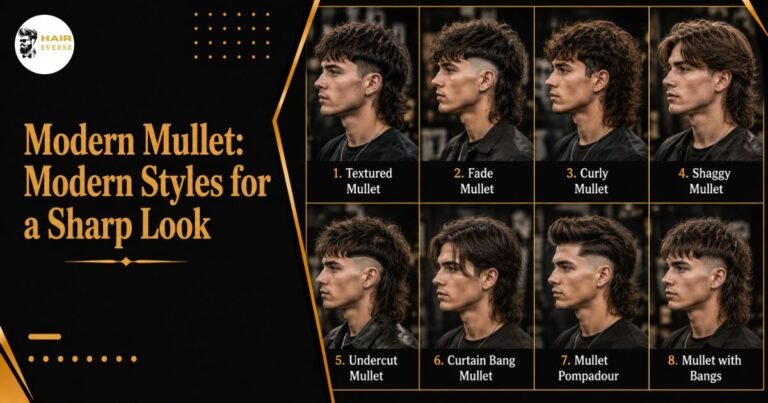
Mullet Fade
Overview: This modernizes the classic mullet by fading the sides cleanly while keeping length at the back and crown.
Why It Works: Works with thick, wavy, or curly hair and suits most face shapes thanks to the added back volume.
Styling Tip: A texturizing spray on the back length keeps it looking deliberate rather than unkempt.
Maintenance: A 4-week schedule works since the style relies on longer back growth. Maintenance and styling times are estimates and may vary by hair type.
Caesar Fade
Overview: This combines the short, forward-combed Caesar fringe with a fade at the sides for a clean, low-effort classic look.
Why It Works: Works well for round and oval faces and suits straight or wavy hair with minimal daily styling.
Styling Tip: A small amount of matte paste combed forward keeps the fringe in place all day.
Maintenance: A 3–4 week schedule keeps the short fringe from growing past its intended length. Maintenance and styling times are estimates and may vary by hair type.
Buzz Fade
Overview: Similar to a buzz cut fade but with an even shorter, more uniform guard length across the whole top, this is the lowest-maintenance fade on the list.
Why It Works: Works for every hair type and face shape, making it a reliable everyday option.
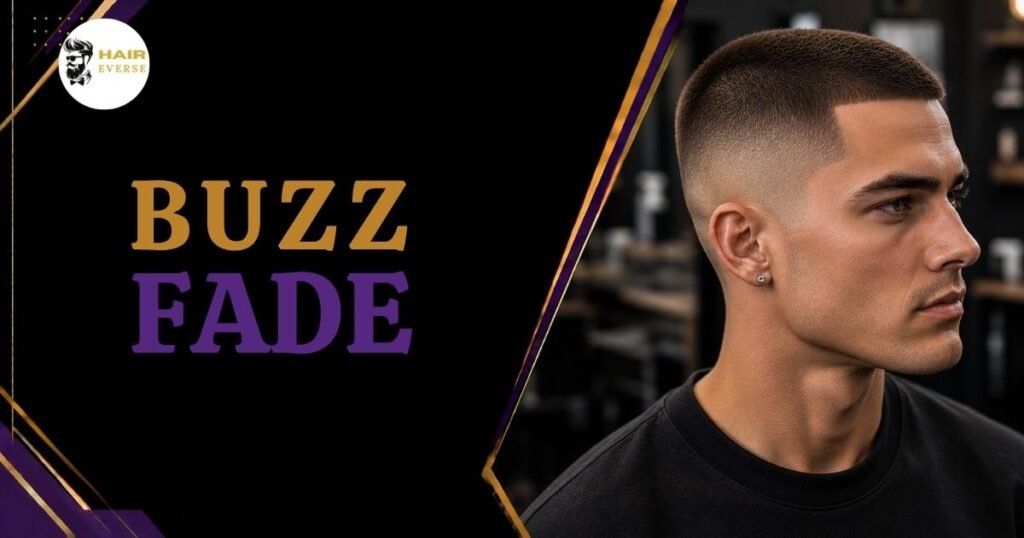
Styling Tip: No styling product is required, though a light matte spray adds subtle texture if desired.
Maintenance: A 3-week schedule keeps the whole head looking even. Maintenance and styling times are estimates and may vary by hair type.
How to Choose the Right Fade
Matching a fade to your hair type and face shape makes the difference between a cut that flatters you and one that just follows a trend.
- Thick Hair: Shadow fades, drop fades, and textured crop fades handle thick hair well since they don’t require the hair to lie perfectly flat.
- Thin Hair: Low fades and taper fades work best, since they don’t expose scalp unevenly the way higher, sharper fades can on thin hair.
- Curly Hair: Curly fades, burst fades, and afro fades are built to let natural curl patterns show instead of fighting it.
- Straight Hair: High fades, pompadour fades, and slick back fades hold their shape well since straight hair styles predictably.
- Wavy Hair: Quiff fades and fringe fades give wavy hair natural texture room to move.
- Oval Face: Almost any fade works, including high fades and pompadour fades, since an oval face has balanced proportions.
- Round Face: Higher-contrast fades like high fades or pompadour fades add length and structure.
- Square Face: Low and mid fades soften strong jaw angles without adding extra width at the sides.
- Long Face: Fringe fades and Ivy League fades add width at the top, balancing extra face length.
How to Ask Your Barber for This Style
Getting a fade right starts before the clippers ever turn on. Use this checklist in the chair:
- Bring a reference photo. A single photo removes almost all guesswork about fade height and finish.
- Name the fade height. Say “low,” “mid,” or “high” clearly, since these terms have specific meanings to a trained barber.
- Specify the finish. Clarify whether you want skin, bald, or shadow at the shortest point.
- Mention your hair type. Curly, straight, thick, or thin hair all fade differently, so flag it upfront.
- Explain your styling routine. Let your barber know how much time you spend styling daily so they can recommend realistic maintenance.
- Confirm the shape before cutting starts. Ask your barber to run through the plan verbally so you can catch any miscommunication early.
Product Recommendations
Hair Cream
- Best For: Adding light hold and a natural finish to textured or curly styles.
- How To Use: Warm a small amount between palms and work through damp hair from roots to ends.
Pomade
- Best For: Slicked-back or combed styles that need shine and strong hold.
- How To Use: Apply to damp or dry hair and comb into place; water-based formulas rinse out easily.
Wax
- Best For: Matte, textured looks like quiffs or textured crops.
- How To Use: Rub between fingertips to soften, then work through dry hair for definition.
Clay
- Best For: Thick, matte texture with strong hold and no shine.
- How To Use: Apply sparingly to dry hair and scrunch or push upward for volume.
Shampoo
- Best For: Keeping the scalp clean, especially important after skin or bald fades expose more scalp.
- How To Use: Use a gentle, sulfate-free formula 2–3 times per week to avoid drying out newly exposed skin.
Conditioner
- Best For: Keeping longer top sections soft and manageable, especially for curly or thick hair.
- How To Use: Apply from mid-length to ends after shampooing, then rinse thoroughly.
Explore More Fade & Cut Options
- Our Low Taper Fade Haircut guide breaks down 38 variations by finish and style. It’s a solid reference to bring up during your consultation.
- Check out our Beard Fade Styles guide for pairing options. It shows how to describe the blend so your barber nails it in one visit.
- The Ivy League Haircut is a popular length-on-top pairing with a fade. It gives you a specific style name to reference instead of vague descriptions.
Final Thoughts
A fade is one of the most versatile haircuts out there, but only if you and your barber are speaking the same language. Once you know the difference between a low fade and a high fade, or a skin finish and a shadow finish, you stop guessing and start directing. Bring a reference photo, name your preferred height and finish, and mention your hair type and face shape, and you’ll walk out with a cut that matches what you pictured.
Whether you’re after something low-key like a taper fade or something bolder like a high skin fade with a beard lined up, the right words in the chair make all the difference. Book your next appointment with this vocabulary in hand, and don’t be afraid to ask your barber questions along the way. A good one will welcome it.
FAQ SECTION
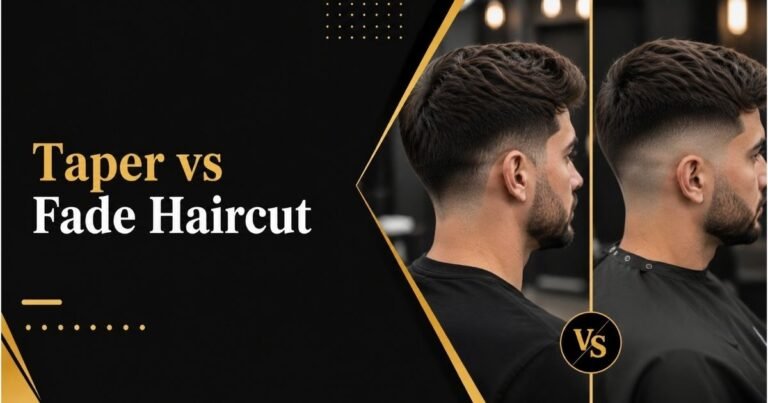
What’s the Difference Between a Taper and a Fade?
A taper gradually shortens hair without ever reaching the skin, while a fade blends down to a very short length or bare skin at its lowest point, creating sharper contrast.
What is a Burst Fade?
A burst fade curves around the ear in a semi-circle rather than running straight down the head, creating a rounded blend that pairs especially well with curly or wavy hair.
How Long does a Fade Take to Grow out?
Most fades start looking uneven after 2–4 weeks, depending on the fade height and your hair’s natural growth rate. High and bald fades grow out fastest.
Can you Get a Fade with Curly Hair?
Yes. Curly fades, burst fades, and afro fades are specifically designed to let natural curl patterns show while keeping the sides neat and blended.
How Often should I Get my Fade Touched up?
Most fades need a touch-up every 2 to 4 weeks. Higher, closer fades like bald or skin fades grow out faster and may need attention every 2 weeks.