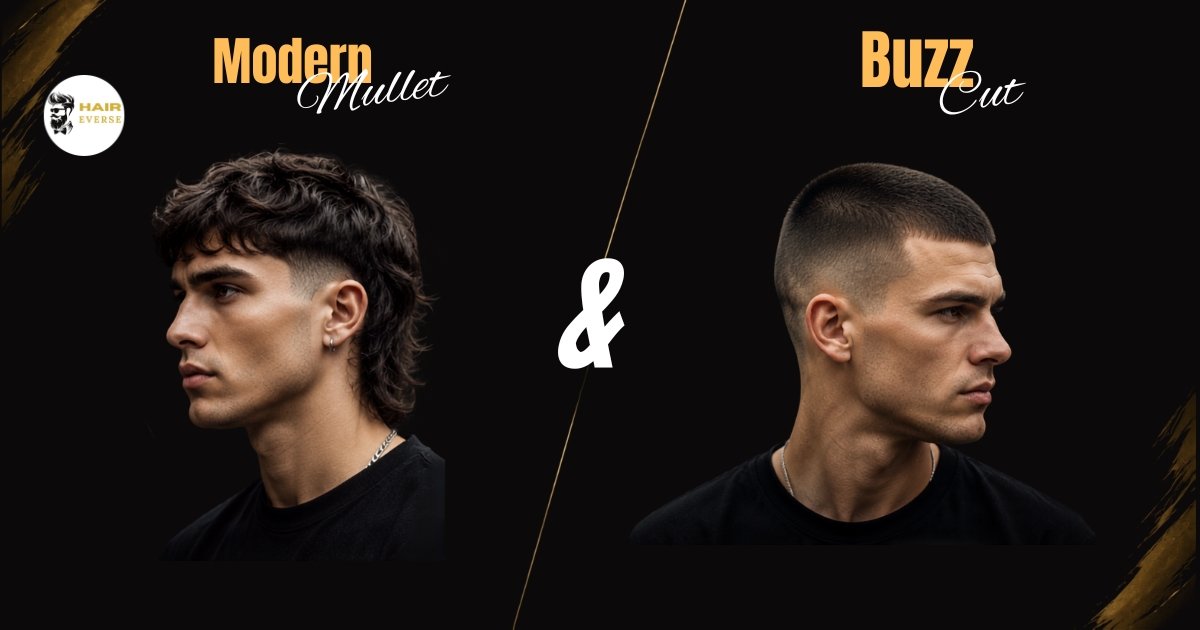
Modern Mullet and Buzz Haircuts: 30 Low Taper Fade Styles for Men in 2026
Walking into a barbershop and asking for Modern Mullet and Buzz Haircuts can go sideways fast if you and your barber picture two different haircuts. Both styles have exploded in popularity again, but they now come in dozens of variations: tapered, faded, textured, curly, business-friendly
Picking the wrong one for your hair type or face shape can mean a few awkward months of grow-out.Barbers report that vague requests are the single biggest cause of haircut regret, and this guide is built to prevent exactly that.
modern mullet and buzz cut men Hairstyle Comparison Table
For your easy understanding :
| Hairstyle | Best Hair Type | Face Shape | Maintenance | Styling Time |
| Classic Low Taper Mullet | Straight, Wavy | Oval, Square | Medium | 5–10 min |
| Curly Mullet with Low Fade | Curly, Coily | Round, Oval | Medium | 5–8 min |
| Burst Fade Mullet | All types | Square, Diamond | High | 8–12 min |
| Long Mullet, Low Taper | Straight, Wavy | Oblong, Oval | High | 10–15 min |
| Short Mullet (Baby Mullet) | All types | Round, Oval | Low | 3–5 min |
| Two-Block Mullet | Straight, Thick | Square, Round | Medium | 8–10 min |
| Textured Fringe Mullet | Straight, Wavy | Oval, Heart | Medium | 5–10 min |
| Wavy Mullet, Low Fade | Wavy | Oval, Square | Medium | 5–8 min |
| Business Mullet | All types | Oval, Square | Low | 5 min |
| Skater Mullet | Straight, Thick | Round, Square | Medium | 5 min |
| French Crop Mullet | Straight, Wavy | Oval, Heart | Low | 5 min |
| Mohawk Mullet | All types | Square, Diamond | High | 10–15 min |
| Undercut Mullet | Straight, Thick | Oval, Square | Medium | 8 min |
| Shaggy Mullet | Wavy, Curly | Oval, Round | Medium | 5–8 min |
| Slicked-Back Mullet | Straight | Oval, Square | Medium | 5–8 min |
| Standard Buzz Cut | All types | Oval, Round | Low | 2 min |
| Low Fade Buzz Cut | All types | Square, Oval | Low | 2–3 min |
| Burst Fade Buzz Cut | All types | Diamond, Square | Medium | 3–5 min |
| Textured Buzz Cut | Straight, Wavy | Oval, Heart | Low | 3–5 min |
| Caesar Buzz Cut | Straight, Wavy | Oval, Square | Low | 3–5 min |
| High and Tight Buzz Cut | All types | Square, Round | Low | 2 min |
| Buzz Cut with Hard Part | All types | Oval, Square | Low | 3 min |
| Curly Buzz Cut | Curly, Coily | Round, Oval | Low | 2–3 min |
| Buzz Cut with Beard Fade | All types | Square, Oval | Medium | 5 min |
| Ivy League Buzz Fade | Straight, Wavy | Oval, Heart | Low | 3–5 min |
| Low Taper Fade Textured Crop | Straight, Wavy | Oval, Square | Medium | 5–8 min |
| Low Taper Fade Pompadour | Straight, Wavy | Oval, Long | High | 8–12 min |
| Low Taper Fade Quiff | Straight, Wavy | Oval, Round | Medium | 5–8 min |
| Low Taper Fade Comb Over | Straight | Oval, Square | Medium | 8–10 min |
| Low Taper Fade Curly Top | Curly, Coily | Round, Oval | Medium | 5–8 min |
Modern Mullet and Buzz Haircuts
This guide breaks down 30 modern mullet and buzz cut, and low taper fade combinations, with honest maintenance expectations for each, so you walk in prepared instead of guessing…
Classic Low Taper Mullet
- Overview: This is the modern mullet in its most wearable form short sides that gradually blend into a lower fade, with length left on top and at the back for contrast without shock value.
- Why It Works: Suits straight or wavy hair best, flatters oval and square face shapes by softening angular jawlines, and works in office settings since the fade keeps the sides tidy.
- Styling Tip: Work a dime-sized amount of matte clay through damp hair, then push the top back and slightly upward for texture instead of flatness.
- Maintenance: Get the fade refreshed every 3–4 weeks while trimming only the back every 6–8 weeks to keep the length building. Maintenance and styling times are estimates and may vary by hair type.
How to cut a classic mullet?
- Section and prep the hair start with clean, towel-dried (not soaking) hair for control. Part the hair from ear to ear over the top of the head, separating the top/crown section from the back and sides. Clip the top section up and out of the way this stays longer and gets cut last.
- Cut the sides and back shortUsing clippers with a guard (commonly a #2 or #3 for a classic look, shorter for a fade), cut the sides and back following the head’s natural curve. Blend from shorter at the nape/temples to slightly longer as you move up toward the crown, so there’s no harsh line yet
- Cut the back panel to set the length Drop a section from the crown down the center back. Using scissors or clippers over comb, cut to your desired mullet length (classic mullets keep 3-6+ inches of length at the nape). This bottom-center section becomes your length guide for the rest of the back.
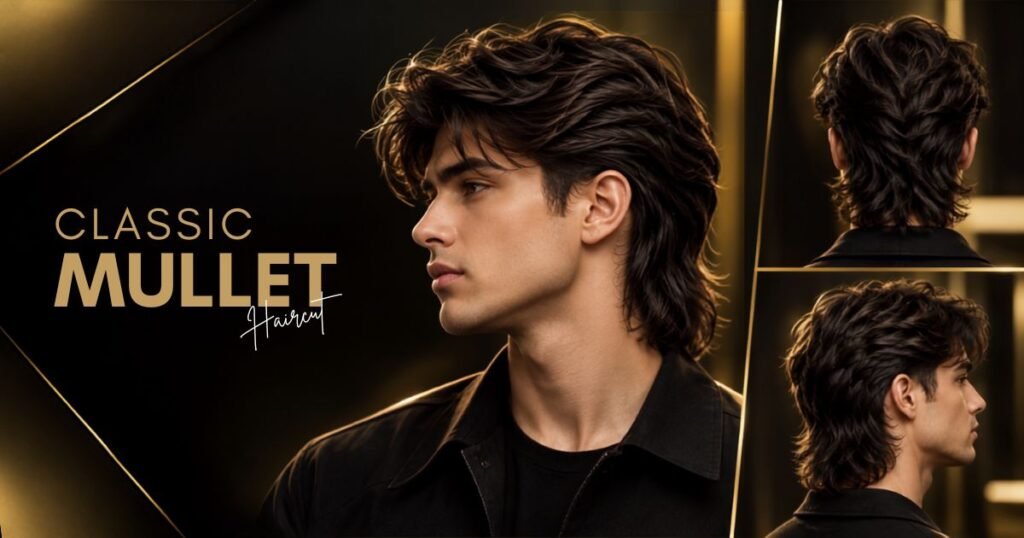
- Blend the back and sides togetherWork outward from that center guide, cutting matching sections on each side and blending them into the shorter clipper work from Step 2. Use a comb to pull hair out at consistent angles and cut to graduate the length smoothly from short sides into the longer back.
- Cut the topRelease the top section. Comb hair forward or up and cut to the length you want on top (mullets typically keep more length and volume up top than a standard cut). Use point-cutting or scissor-over-comb to keep it soft rather than blunt.
- Connect top to sides and backBlend the perimeter where the top meets the sides — take diagonal sections along the hairline and cut them to taper smoothly into the shorter clipper areas, avoiding a visible line of demarcation unless you want a more mullet-specific ‘shelf’ look.
- Detail and texturizeUse thinning shears or point-cutting on the ends of the back and top sections to remove bulk and add movement, especially if the hair is thick. This softens the mullet so it doesn’t look like a solid block of hair
- Clean up the edgesUse clippers or a trimmer to define the neckline, sideburns, and around the ears for a crisp finish. Comb everything into place and check evenness from multiple angles under good light, adjusting any uneven spots.
Curly Mullet with Low Fade
- Overview: Natural curls are left long on top and in the back for volume and movement, while a low fade keeps the sides controlled so the curl pattern stays the visual focus.
- Why It Works: Ideal for curly or coily hair types, this cut suits round and oval faces by adding vertical lift, and it reads as intentional rather than unkempt.
- Styling Tip: Apply a curl-defining cream to soaking-wet hair and let it air-dry or diffuse on low heat to avoid frizz.
- Maintenance: Trim the fade every 3 weeks; deep-condition curls weekly so the length stays defined instead of dry. Maintenance and styling times are estimates and may vary by hair type.
Burst Fade Mullet
- Overview: The fade “bursts” in a curved line around the ear instead of running straight back, creating a sharper, more dramatic transition into the mullet’s length.
- Why It Works: Works with any hair type, flatters square and diamond face shapes by curving around strong angles, and gives thick hair a lighter, less bulky finish.
- Styling Tip: Use a light-hold sea salt spray on top for texture, scrunching rather than combing to preserve natural movement.
- Maintenance: This detailed fade needs a touch-up every 2–3 weeks to stay crisp, since the curved line grows out faster than a straight taper. Maintenance and styling times are estimates and may vary by hair type.
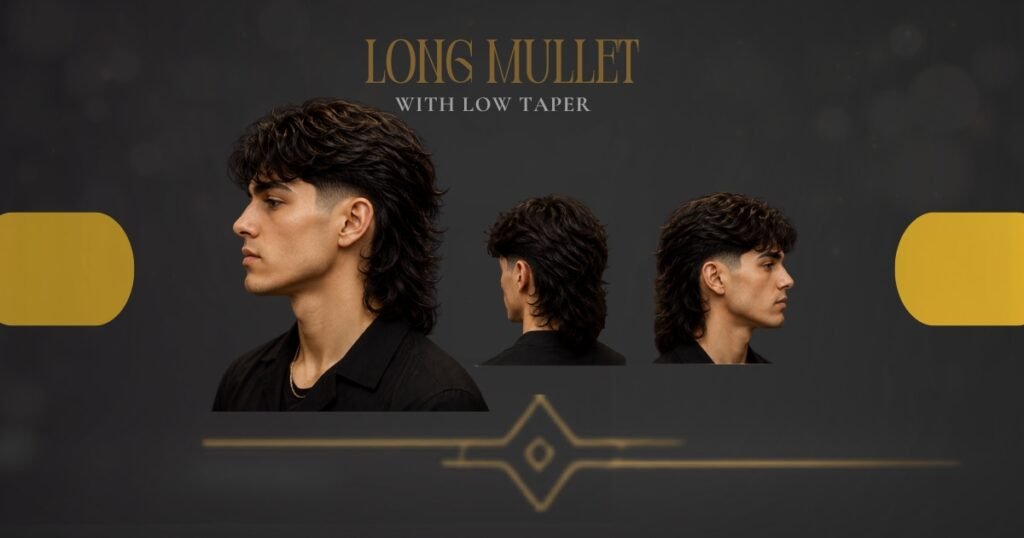
Long Mullet with Low Taper
- Overview: This variation commits to real length two to four inches past the collar while keeping a subtle low taper on the sides for balance.
- Why It Works: Best on straight or wavy hair with enough natural weight to hold a shape, and it flatters oblong and oval faces by adding width at the jaw.
- Styling Tip: Blow-dry with a round brush to add volume at the crown before finishing with a light hair cream on the ends.
- Maintenance: Trim split ends every 8–10 weeks without shortening the overall length, and keep the taper cleaned up every 4 weeks. Maintenance and styling times are estimates and may vary by hair type.
Short Mullet (Baby Mullet)
- Overview: A subtler take with only an inch or two of extra length in the back, making it an easy entry point for anyone new to the mullet trend.
- Why It Works: Works across nearly all hair types, suits round and oval faces without adding excess volume, and is easy to reverse into a standard cut if you change your mind.
- Styling Tip: A small amount of pomade run through damp hair keeps the shorter length looking neat without heavy shine.
- Maintenance: Because the length difference is small, a trim every 4–5 weeks keeps the whole cut looking deliberate rather than grown-out. Maintenance and styling times are estimates and may vary by hair type.
Two-Block Mullet
- Overview: Borrowed from the Korean two-block trend, this style keeps the sides and back tightly clipped underneath while the top layer sits longer and disconnected on top.
- Why It Works: Best for thick, straight hair, flatters square and round faces by adding height, and gives a cleaner silhouette than a traditional blended mullet.
- Styling Tip: Use a matte wax to separate the top into pieces rather than smoothing it into one shape.
- Maintenance: The underneath section needs clipper upkeep every 3 weeks to preserve the disconnected effect. Maintenance and styling times are estimates and may vary by hair type.
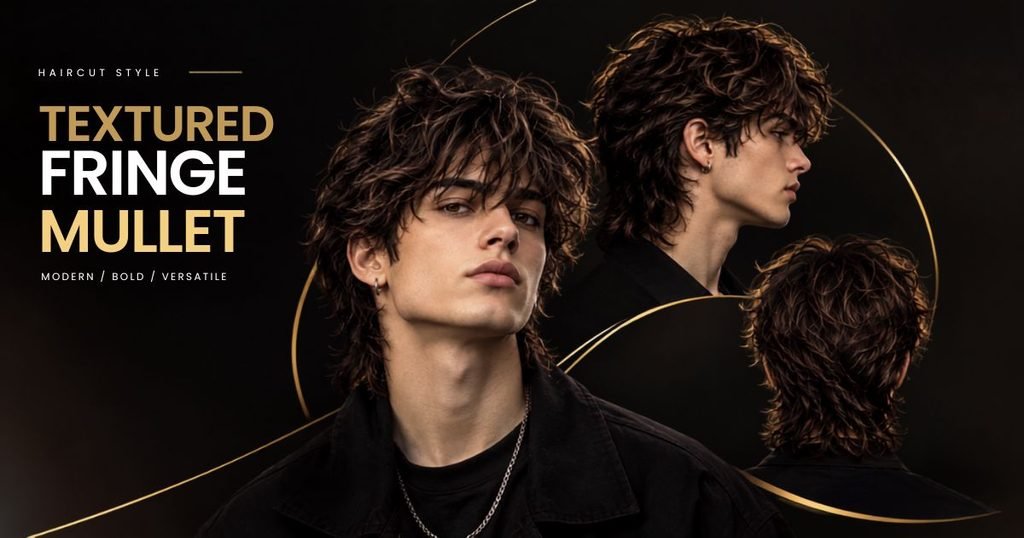
Textured Fringe Mullet haircut
- Overview: A choppy, textured fringe sits over the forehead while the back retains mullet length, softening the overall silhouette.
- Why It Works: Suits straight or wavy hair, flatters oval and heart-shaped faces by covering a larger forehead, and reads casual rather than retro.
- Styling Tip: Rough-dry with a diffuser attachment and finish with a texturizing spray for a lived-in look.
- Maintenance: Trim the fringe every 3–4 weeks to keep it above the eyebrows. Maintenance and styling times are estimates and may vary by hair type.
Wavy Mullet, Low Fade
- Overview: Natural waves are left untouched on top and in the back, giving this mullet a relaxed, beachy movement instead of a sharp, styled shape.
- Why It Works: Ideal for wavy hair types, complements oval and square faces, and requires less daily effort since the natural texture does most of the work.
- Styling Tip: Scrunch a light sea salt spray into damp hair rather than brushing, which would flatten the wave pattern.
- Maintenance: A fade touch-up every 3 weeks keeps the sides tidy while the wave grows in on its own timeline. Maintenance and styling times are estimates and may vary by hair type.
Business Mullet
- Overview: A conservative take that keeps the back length minimal and the sides neatly faded, designed to pass in office environments without drawing extra attention.
- Why It Works: Works with most hair types, suits oval and square faces, and is a practical option for men aged 30 and older who want the trend without workplace friction.
- Styling Tip: A light-hold cream keeps hair looking groomed without an obvious “styled” appearance.
- Maintenance: Regular trims every 4 weeks keep the length difference subtle and professional. Maintenance and styling times are estimates and may vary by hair type.
Skater Mullet
- Overview: A shaggy, low-effort mullet popular with teens and younger men, featuring choppy layers and minimal styling for an unpolished, casual look.
- Why It Works: Suits thick or straight hair, works on round and square faces, and appeals to a younger audience (15–25) who want a low-maintenance daily routine.
- Styling Tip: Simply towel-dry and run fingers through with a texturizing paste, no brush needed.
- Maintenance: Trims every 6–8 weeks are enough since the shaggy style tolerates grow-out well. Maintenance and styling times are estimates and may vary by hair type.
French Crop Mullet
- Overview: Combines the short, blunt fringe of a French crop with extra length retained at the back, blending two popular trends into one cut.
- Why It Works: Works well with straight or wavy hair, flatters oval and heart faces by framing the forehead, and is easy to maintain day to day.
- Styling Tip: A small amount of matte paste pushed forward keeps the fringe textured without extra shine.
- Maintenance: Fringe trims every 3 weeks keep the crop shape sharp while the back continues growing. Maintenance and styling times are estimates and may vary by hair type.
Mohawk Mullet
- Overview: A bold fusion where the top is styled into a raised mohawk strip while length is retained at the back, and the sides are shaved or heavily faded.
- Why It Works: Suits thicker hair types that hold height, flatters square and diamond faces, and is best suited to men comfortable with a high-attention look.
- Styling Tip: Blow-dry the top upward while applying a strong-hold gel, then set with light-hold hairspray.
- Maintenance: The shaved sides need upkeep every 1–2 weeks to maintain the sharp contrast. Maintenance and styling times are estimates and may vary by hair type.
Undercut Mullet
- Overview: The sides are shaved close with no fade blend, creating a stark contrast against the longer top and back sections for a harder-edged mullet.
- Why It Works: Works with straight or thick hair, suits oval and square faces, and gives a more rebellious edge than a blended taper.
- Styling Tip: Use a strong-hold pomades to slick the top back cleanly, emphasizing the contrast with the shaved sides.
- Maintenance: The undercut needs a clipper refresh every 2 weeks to keep the disconnect crisp. Maintenance and styling times are estimates and may vary by hair type.
Shaggy Mullet
- Overview: Heavy layering throughout creates a loose, tousled effect that blurs the line between the shorter sides and longer back, favoring texture over sharp contrast.
- Why It Works: Best for wavy or curly hair, flatters oval and round faces, and suits men who want the mullet trend without a harsh, defined shape.
- Styling Tip: Apply a texturizing spray to damp hair and air-dry for natural-looking movement.
- Maintenance: Layer trims every 6 weeks keep the shag from looking overgrown. Maintenance and styling times are estimates and may vary by hair type.
Slicked-Back Mullet
- Overview: The top is combed straight back with a wet-look finish, while the length in the back is left to fall naturally, giving a retro-meets-modern combination.
- Why It Works: Works best on straight hair, suits oval and square faces, and offers a polished option for evening or formal occasions.
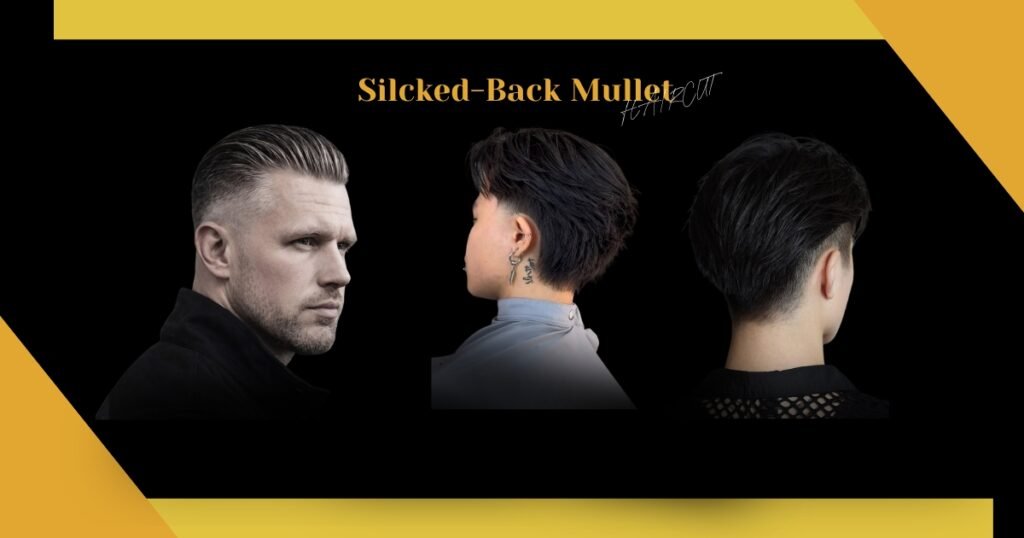
- Styling Tip: Apply pomade to damp hair and comb straight back with a fine-tooth comb for a glossy finish.
- Maintenance: Regular fade upkeep every 3–4 weeks keeps the sides matching the polished top. Maintenance and styling times are estimates and may vary by hair type.
Buzz Haircuts for Men:
Buzz cut is one of the most versatile and low-maintenance hairstyles a man can choose, achieved by clipping the hair down to a uniform, ultra-short length using electric clippers. Prized for its clean, sharp look and near-zero styling requirements, it works across virtually every hair type, face shape, and age group, making it a go-to choice for anyone wanting a practical yet stylish cut.
Standard Buzz Cut
- Overview: An all-over uniform clipper cut, typically a #2 or #3 guard, that leaves the same short length across the entire head.
- Why It Works: Works with any hair type, suits oval and round faces evenly, and is the lowest-maintenance option on this list for men of any age.
- Styling Tip: No product needed daily, though a small amount of matte cream can add texture for photos or events.
- Maintenance: Rebuzz every 2–3 weeks to keep the length consistent. Maintenance and styling times are estimates and may vary by hair type.
Low Fade Buzz Cut
- Overview: A short buzz on top pairs with a subtle fade that starts low near the ears, adding just enough dimension to avoid looking flat.
- Why It Works: Suits all hair types, flatters square and oval faces, and is one of the most versatile, workplace-friendly options available.
- Styling Tip: A light matte paste on top adds subtle texture without looking overly styled.
- Maintenance: Touch up the fade every 2–3 weeks; the top can go slightly longer between visits. Maintenance and styling times are estimates and may vary by hair type.
Burst Fade Buzz Cut
- Overview: The fade curves around the ear rather than running in a straight line, giving an otherwise simple buzz cut a sharper, more detailed edge.
- Why It Works: Works with any hair type, flatters diamond and square faces, and adds personality to a minimal cut.
- Styling Tip: No styling is required, though a shine-free balm can be applied for special occasions.
- Maintenance: This detailed fade grows out faster than a standard one, so plan on a touch-up every 2 weeks. Maintenance and styling times are estimates and may vary by hair type.
Textured Buzz Cut
- Overview: Slightly longer on top than a standard buzz, this version uses scissor-over-comb texturizing to add subtle movement instead of a completely flat top.
- Why It Works: Suits straight or wavy hair, flatters oval and heart faces, and gives more personality than a basic buzz without extra upkeep.
- Styling Tip: Work a small amount of matte clay through damp hair with fingertips to create separation.
- Maintenance: Trim every 3 weeks to maintain the textured length on top. Maintenance and styling times are estimates and may vary by hair type.
Caesar Buzz Cut
- Overview: A short, horizontal fringe combed forward sits over an otherwise buzzed head, a classic combination that has stayed popular for decades.
- Why It Works: Works with straight or wavy hair, suits oval and square faces, and covers a receding hairline effectively.
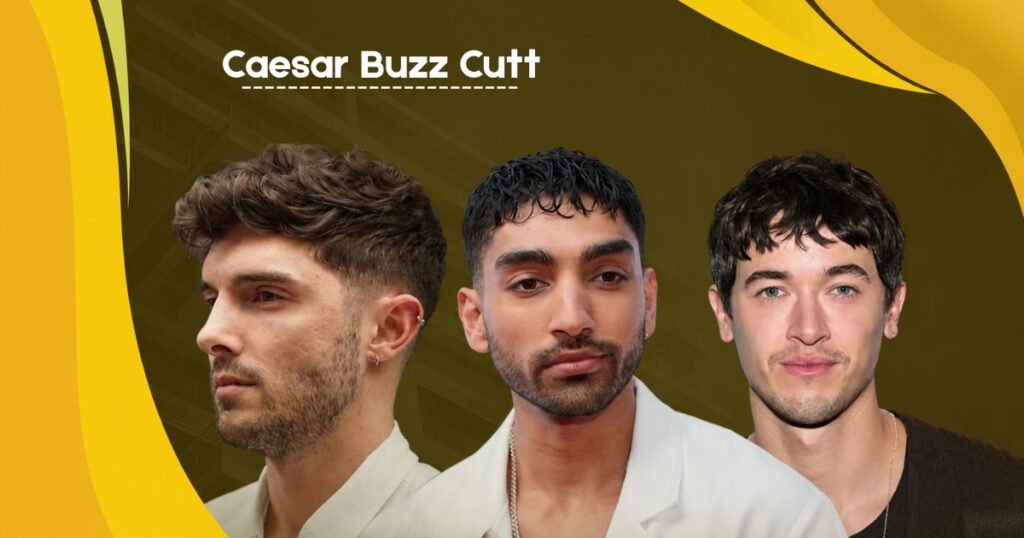
- Styling Tip: A touch of matte pomade combed forward keeps the fringe defined without shine.
- Maintenance: Trim the fringe every 3 weeks while rebuzzing the sides on the same schedule. Maintenance and styling times are estimates and may vary by hair type.
High and Tight Buzz Cut
- Overview: A military-inspired cut with very short sides that fade or shave sharply into a slightly longer top, offering maximum contrast in minimal length.
- Why It Works: Works with all hair types, flatters square and round faces, and suits men who want a no-fuss, low-maintenance routine at any age.
- Styling Tip: A small dab of pomade can add texture to the short top if desired, though it’s optional.
- Maintenance: Rebuzz the sides every 2 weeks to maintain the sharp contrast. Maintenance and styling times are estimates and may vary by hair type.
Buzz Cut with Hard Part
- Overview: A thin shaved line is added to the side, creating a defined “part” that adds detail to an otherwise simple buzz cut.
- Why It Works: Works with any hair type, suits oval and square faces, and appeals to younger men who want a distinct detail without added length.
- Styling Tip: No styling product is required, though a light gel can define hair immediately around the line.
- Maintenance: The line needs a touch-up every 1–2 weeks since it grows out faster than the rest of the cut. Maintenance and styling times are estimates and may vary by hair type.
Curly Buzz Cut
- Overview: A uniform clipper cut left slightly longer than a standard buzz to preserve some curl pattern and texture instead of removing it entirely.
- Why It Works: Designed specifically for curly or coily hair, flatters round and oval faces, and reduces frizz compared to longer curly styles.
- Styling Tip: A light curl cream applied to damp hair enhances definition without weighing curls down.
- Maintenance: Rebuzz every 3–4 weeks, slightly longer than a straight-hair buzz since curl shrinkage affects visible length. Maintenance and styling times are estimates and may vary by hair type.
Buzz cut with fade beard blend
- Overview: The buzzed sides blend directly into a faded beard line, creating a cohesive, connected look between hair and facial hair.
- Why It Works: Works with all hair types, flatters square and oval faces by unifying the jawline, and suits men of any age with facial hair.
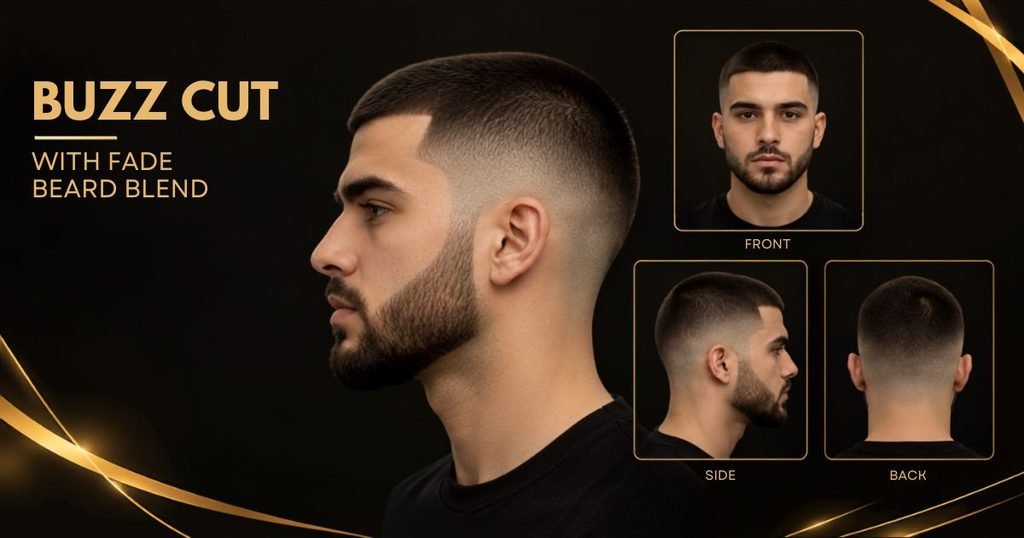
- Styling Tip: Use beard oil after trimming to keep the faded connection looking neat rather than patchy.
- Maintenance: Both the buzz and beard fade need touch-ups every 2 weeks to stay connected and clean. Maintenance and styling times are estimates and may vary by hair type.
Ivy League Buzz Fade
- Overview: A slightly longer version of the crew cut, with enough length on top to comb into a light side part, fading into short sides.
- Why It Works: Works with straight or wavy hair, flatters oval and heart faces, and offers a professional look suitable for any workplace.
- Styling Tip: A light-hold cream combed to one side keeps the look neat without appearing overly styled.
- Maintenance: Trims every 3–4 weeks maintain the length balance between the top and fade. Maintenance and styling times are estimates and may vary by hair type.
Low Taper Fade with Textured Crop
- Overview: A cropped, textured top with choppy ends sits above a low taper fade, giving a modern, low-key finish that works for most ages.
- Why It Works: Suits straight or wavy hair, flatters oval and square faces, and bridges the gap between a buzz cut and longer styles.
- Styling Tip: A matte clay worked through damp hair creates the choppy, piece-y texture this cut relies on.
- Maintenance: Trim every 4 weeks to keep the crop length from growing past its intended shape. Maintenance and styling times are estimates and may vary by hair type.
Low Taper Fade Pompadour
- Overview: A classic pompadour’s swept-up front is paired with a subtly faded side, softening a traditionally bold, retro shape for daily wear.
- Why It Works: Works best on straight or wavy hair with enough length to hold volume, flatters oval and long faces, and suits men wanting a dressier, statement style.
- Styling Tip: Blow-dry the front upward using a round brush, then set with a strong-hold pomade for lasting height.
- Maintenance: Requires trims every 4 weeks to maintain shape, plus daily styling since the volume won’t hold on its own. Maintenance and styling times are estimates and may vary by hair type.
Low Taper Fade Quiff
- Overview: Similar to a pompadour but shorter and less structured, the quiff is pushed up and slightly back, paired with a clean low fade on the sides.
- Why It Works: Works with straight or wavy hair, flatters oval and round faces, and is more versatile day-to-day than a full pompadour.
- Styling Tip: Apply a matte paste to damp roots and push hair upward with fingers before it dries.
- Maintenance: Trim every 4 weeks; the fade needs upkeep every 3 weeks to stay sharp. Maintenance and styling times are estimates and may vary by hair type.
Low Taper Fade Comb Over
- Overview: Longer hair on top is combed neatly to one side, creating a defined part above a low, subtle fade for a polished, professional finish.
- Why It Works: Works best on straight hair, flatters oval and square faces, and remains one of the most business-appropriate styles on this list.
- Styling Tip: Comb pomade through damp hair in the direction of the part for a controlled, glossy finish.
- Maintenance: Trims every 4 weeks keep the part clean, with fade touch-ups every 3 weeks. Maintenance and styling times are estimates and may vary by hair type.
Low Taper Fade Curly Top
- Overview: Natural curls are left long on top for volume while the sides taper down into a low, clean fade, balancing texture with tidiness.
- Why It Works: Designed for curly or coily hair, flatters round and oval faces, and is a strong option for curly-haired men who still want a defined side profile.
- Styling Tip: Apply curl cream to soaking-wet hair and scrunch upward to encourage curl clumping and volume.
- Maintenance: Fade touch-ups every 3 weeks, with curl trims every 6–8 weeks to maintain shape. Maintenance and styling times are estimates and may vary by hair type.
How to Choose the Right Hairstyle?
Priority before every Haircut is understanding your Hair type..
By Hair Type
- Thick hair: Burst fade mullet, two-block mullet, or a low taper fade textured crop remove bulk while keeping shape.
- Thin hair: A standard buzz cut or French crop mullet avoids looking sparse, since shorter length reads fuller.
- Curly hair: Curly mullet, curly buzz cut, or low taper fade curly top work with the natural pattern instead of fighting it.
- Straight hair: Classic low taper mullet, slicked-back mullet, or low taper fade pompadour hold sharp lines well.
- Wavy hair: Wavy mullet low fade or shaggy mullet let natural texture do most of the styling work.
By Face Shape
- Oval: Nearly every style on this list works; business mullet or low fade buzz cut are safe, versatile picks.
- Round: Two-block mullet, high and tight buzz cut, or mohawk mullet add height and reduce width.
- Square: Burst fade styles and undercut mullets complement strong jawlines rather than competing with them.
- Long/Oblong: Long mullet with low taper or low taper fade pompadour add width at the sides.
How to Ask Your Barber For This Style?
- Bring a reference photo verbal descriptions of fade height vary between barbers.
- Specify the exact style name and, if known, the guard number for the sides (e.g., “low taper, blending to a #1”)
- Explain your current styling routine so they know how much daily effort you’re willing to put in.
- Ask directly about maintenance frequency before committing to a high-upkeep style.
- Mention workplace or lifestyle needs (e.g., “needs to look professional Monday to Friday”).
- Confirm the final shape and length in the mirror before they put the clippers away.
Product Recommendations
The right products can make all the difference, Here are our top picks for styling and maintaining your hair.
Hair Cream
- Best For: Adding light hold and natural shine to mullets and longer buzz variations.
- How To Use: Work a small amount into damp hair, focusing on the top and ends.
Pomade
- Best For: Slicked-back mullets and comb-over styles that need a defined, glossy finish.
- How To Use: Warm between palms and comb through in the direction of the desired part.
Wax
- Best For: Separating textured tops like the two-block mullet or textured crop.
- How To Use: Rub a pea-sized amount between fingertips and apply piece by piece rather than all at once.
Matte Clay
- Best For: Buzz cuts and short mullets that need texture without shine.
- How To Use: Apply to slightly damp hair and scrunch or push upward for volume.
Shampoo
- Best For: Removing product buildup from frequent styling on longer mullet variations.
- How To Use: Use two to three times a week; over-washing can dry out hair and scalp.
Conditioner
- Best For: Curly and wavy variations that need extra moisture to prevent frizz.
- How To Use: Apply after shampooing, focusing on mid-lengths and ends, and rinse with cool water.
Discover More Haircuts
For a sleek and confident finish, the Slick Back Hairstyle is an easy choice. Discover styling ideas that bring a polished touch to both casual and formal outfits.
A timeless side part can add instant structure and sophistication to your appearance. Explore our Side Part Haircuts for Men for versatile cuts that work across different hair types.
Looking for fresh fade inspiration? Browse 75 Fade Haircuts for Black Men featuring sharp blends, distinctive textures, and styles suited to every vibe.
Korean men’s hairstyles have become a global trend, known for their soft, textured fringes, layered cuts, and effortlessly stylish yet low-maintenance look. From the two-block cut to permed waves, these styles blend K-pop-inspired aesthetics with modern grooming techniques. If you’re looking to switch up your look with a fresh, trendy style, check out our full guide on the best Korean hairstyles for men.
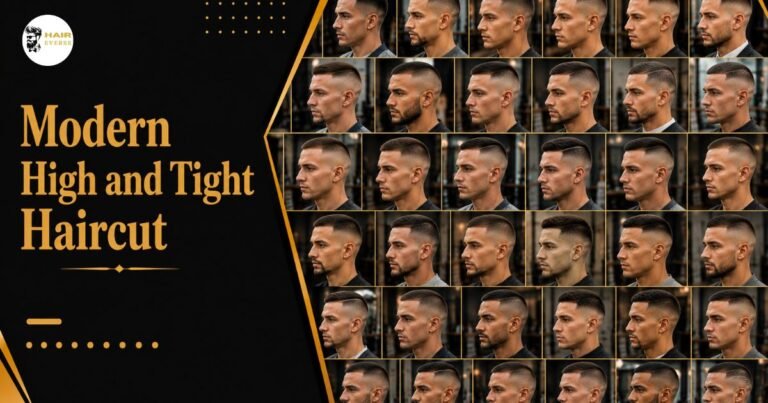
The high and tight is a military-inspired classic, featuring closely clipped sides and back with just a bit more length left on top for a sharp, no-fuss look. It’s low-maintenance, sharp, and built for guys who want a clean, masculine style without daily styling. Check out our full guide on the high and tight haircut for step-by-step details and styling tips.
Choosing between pomade and hair clay comes down to the finish and hold you want pomade offers a sleek, shiny look with strong hold, while clay delivers a matte, textured finish with more natural movement. Both are staples for styling men’s hairstyles. Read our full comparison on pomade vs. hair clay to decide which product suits you best.
Final Thoughts
Whether you land on a full-length mullet, a no-fuss buzz cut, or a low taper fade somewhere in between, the best choice comes down to matching the cut to your hair type, your face shape, and how much time you’re actually willing to spend styling it each morning. There’s no wrong entry point a short mullet or low fade buzz cut is an easy way to test the trend before committing to something bolder like a burst fade mullet or mohawk fusion.
Don’t be afraid to experiment over a few visits; barbers can adjust length and fade height gradually as you figure out what suits you. Bring this guide’s style names and reference photos to your next appointment, and you’ll walk out with a haircut that matches what you actually pictured.
FAQs
What does a Modern Mullet haircut look like?
A modern mullet keeps the classic short-front, long-back shape but replaces the hard line of the 1980s original with a blended taper or fade, making it more wearable for everyday and professional settings.
Is a low Taper Fade Good for all Hair Types?
Yes, a low taper fade works across straight, wavy, curly, and coily hair, though curly hair may need slightly more frequent touch-ups since curl shrinkage can make the fade appear to grow out faster.
What’s the Difference Between a Buzz Cut and a Fade?
A buzz cut is a uniform, all-over clipper length with no variation, while a fade gradually shortens hair from longer at the top to skin-short at the bottom, creating visible contrast.
How Often do you Need to get a Buzz Cut Re-done?
Most buzz cuts need a refresh every 2–3 weeks to maintain a clean, uniform length, since hair grows out unevenly and loses its sharp look quickly.
Is the Mullet Haircut Appropriate for Work?
It can be, especially with subtler versions like the business mullet or short mullet, which minimize the length contrast; more dramatic mullets may not suit conservative workplace dress codes.
What’s the difference between a crew cut and a fade?
Crew cut = a hairstyle where the top is kept short and uniform (usually 1-2 inches), with the sides and back clipped down but not necessarily blended into a gradient.
Fade = not a style itself, but a clipper technique where the hair transitions smoothly from skin-short at the bottom to progressively longer as it moves up, with no visible line.