Summer Hair Care Routine for Men: Your Complete Guide to Healthy Hair
A summer hair care routine for men to protects hair from sun, sweat, chlorine, and humidity. Using a lightweight shampoo, leave-in conditioner or SPF spray, rinsing before swimming, air-drying when possible, and getting regular trims helps keep hair healthy and easy to style throughout the season.
Summer heat, humidity, and pool days can leave hair dry, oily, frizzy, or difficult to manage. The good news is that a few simple habits are enough to prevent most seasonal damage. Discover 35 practical summer hair care tips to keep your hair healthy, fresh, and looking its best all season long.
Summer Hair Care Quick Reference
This quick reference table gives you an at-a-glance overview of the most important summer hair care habits. Use it to see what each routine is for, how often to do it, and the effort required.
| Routine Area | Best For | Frequency | Effort Level |
| Clarifying wash | Sweat/product buildup | 1x weekly | Low |
| Leave-in/SPF spray | Sun exposure, all hair types | Daily before outdoor time | Low |
| Pre-swim rinse | Pool and ocean swimmers | Before every swim | Low |
| Hydrating hair mask | Dry, curly, or color-treated hair | 1x weekly | Medium |
| Air-drying | Fine, straight, or damaged hair | Most wash days | Low |
| Trim/maintenance cut | All hair types | Every 4–6 weeks | Low |
Washing & Cleansing Tips
Sweat, oil, and product buildup are more common in summer, making the right washing routine essential. These tips will help you keep your hair clean without stripping away its natural moisture.
Wash More Often, But Lighter
Overview: Summer sweat and sunscreen residue build up faster than winter grime, so most men need to wash slightly more often but with a lighter formula.
Why It Works: Frequent washing with a heavy shampoo strips natural oils; frequent washing with a lightweight one keeps the scalp clean without over-drying.
Styling Tip: Use a sulfate-free, lightweight shampoo rather than your usual deep-cleaning formula in peak summer months.
Maintenance: Rinse thoroughly and follow with conditioner focused on the mid-lengths and ends, not the scalp. Maintenance and styling times are estimates and may vary by hair type.
Add a Weekly Clarifying Wash
Overview: A clarifying shampoo strips out the sweat, sunscreen, chlorine, and styling product buildup that a regular shampoo can’t fully remove.
Why It Works: Buildup left on the scalp in hot weather clogs follicles and can lead to itchiness or dullness in hair strands.
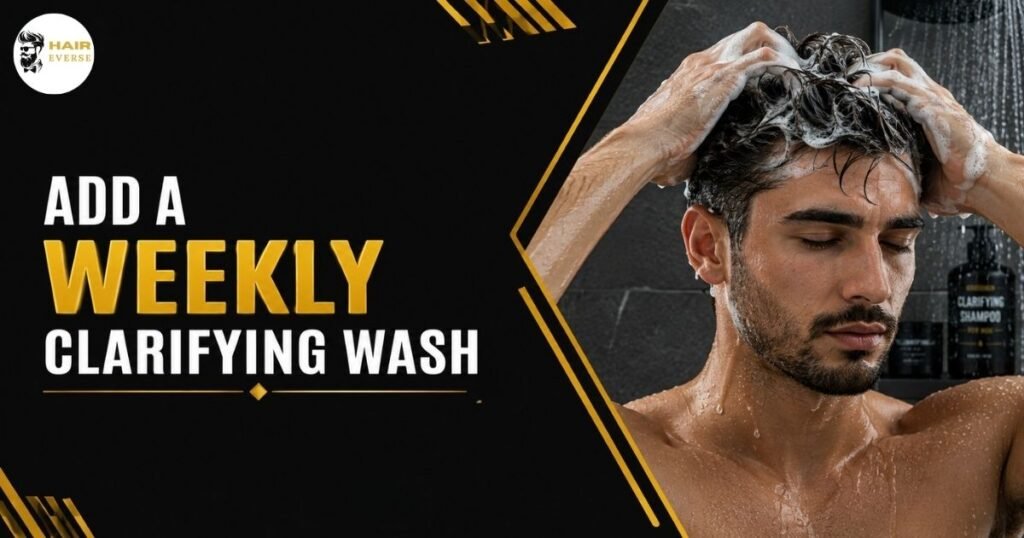
Styling Tip: Use a clarifying shampoo once weekly, then follow immediately with a moisturizing conditioner to replace lost hydration.
Maintenance: Don’t clarify more than once a week over-clarifying dries hair out just as much as skipping washes entirely. Maintenance and styling times are estimates and may vary by hair type.
Don’t Skip Conditioner in Hot Weather
Overview: Heat and sun exposure pull moisture out of hair faster than most guys realize, so conditioner becomes more important in summer, not less.
Why It Works: Conditioner replaces lipids stripped by shampoo and sun, keeping the hair shaft flexible instead of brittle.
Styling Tip: Focus conditioner on the mid-shaft to ends, avoiding the scalp to prevent excess oil buildup at the roots.
Maintenance: Leave conditioner on for 2–3 minutes before rinsing for better absorption. Maintenance and styling times are estimates and may vary by hair type.
Switch to a Sulfate-Free Formula
Overview: Sulfates clean effectively but can be too harsh when hair is already stressed by sun and sweat.
Why It Works: A gentler surfactant base cleans without stripping the scalp’s natural moisture barrier, which is under more pressure in summer heat.
Styling Tip: Check the label for “sulfate-free” and pair it with a lightweight conditioner for balanced results.
Maintenance: Swap back to a stronger formula only if you notice heavy product or sweat buildup that a gentle shampoo can’t clear. Maintenance and styling times are estimates and may vary by hair type.
Rinse With Cooler Water
Overview: Hot showers feel good but can worsen dryness that’s already a summer problem for most hair types.
Why It Works: Cooler water helps seal the hair cuticle after washing, reducing moisture loss and locking in shine.
Styling Tip: Finish your rinse with lukewarm or cool water instead of hot, especially after conditioning.
Maintenance: This costs nothing extra just adjust the temperature at the end of your usual shower routine. Maintenance and styling times are estimates and may vary by hair type.
Use a Scalp Scrub Occasionally
Overview: A scalp scrub physically lifts away dead skin, sweat residue, and product buildup that shampoo alone can miss.
Why It Works: Exfoliating the scalp supports healthier follicles, which matters more in summer when oil and sweat production both increase.
Styling Tip: Massage a scalp scrub in gently for 60 seconds before your regular shampoo, focusing on the crown and hairline.
Maintenance: Twice a month is enough overuse can irritate the scalp rather than help it. Maintenance and styling times are estimates and may vary by hair type.
Don’t Overwash Curly or Coily Hair
Overview: Curly and coily hair types hold moisture differently than straight hair, so the “wash more” rule doesn’t apply evenly across all hair textures.
Why It Works: Over-washing curls strips the natural oils these hair types rely on more heavily, leading to increased frizz and dryness.
Styling Tip: Stick to two washes a week and use co-washing (conditioner-only washing) on the days in between if needed.
Maintenance: Adjust frequency up only if you’re swimming or sweating heavily that week. Maintenance and styling times are estimates and may vary by hair type.
Sun & UV Protection Tips
Prolonged sun exposure can leave hair dry, brittle, and faded. These simple tips help shield your hair and scalp from harmful UV rays while keeping it healthy all season.
Apply a Leave-In SPF Spray
Overview: Just like skin, hair and scalp can suffer UV damage that weakens the protein structure of each strand.
Why It Works: SPF hair sprays create a light barrier that reduces UV penetration into the hair shaft, similar to sunscreen for skin.
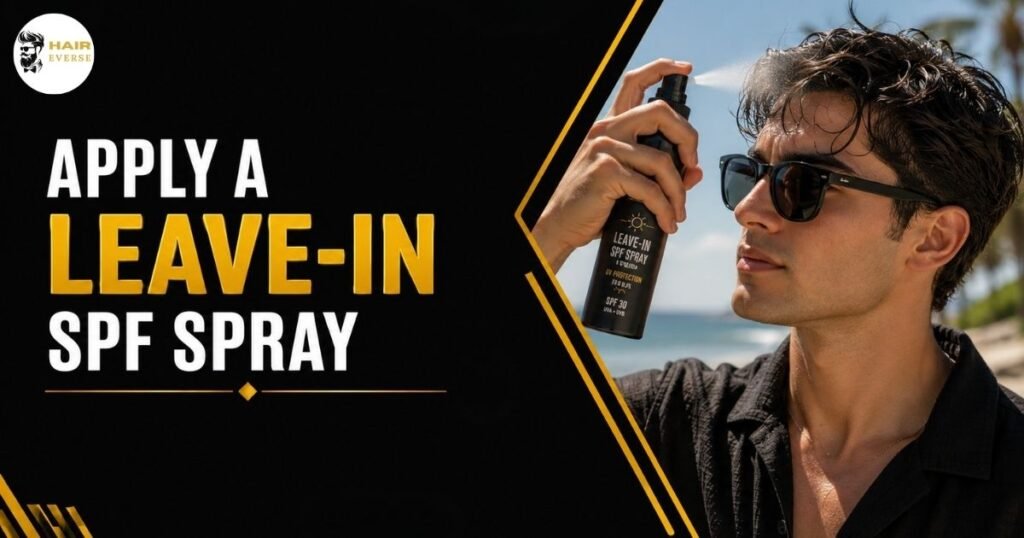
Styling Tip: Spray evenly through dry or damp hair before heading outside, focusing on the crown, which gets the most direct sun.
Maintenance: Reapply after heavy sweating or a few hours in direct sun. Maintenance and styling times are estimates and may vary by hair type.
Wear a Hat During Peak Sun Hours
Overview: The simplest and most reliable way to protect hair from UV damage is blocking direct sun exposure altogether.
Why It Works: Physical coverage prevents UV rays from reaching hair and scalp entirely, unlike topical products that only reduce exposure.
Styling Tip: Choose a breathable hat (cotton or linen) to avoid trapping sweat against the scalp.
Maintenance: Wear it during the 11am–3pm window when UV intensity peaks. Maintenance and styling times are estimates and may vary by hair type.
Protect Color-Treated Hair Specifically
Overview: Color-treated hair fades and dries out faster in direct sun than natural hair, since the cuticle is already more porous.
Why It Works: UV exposure breaks down color molecules and further weakens a cuticle layer that dye has already opened up.
Styling Tip: Use a color-protecting leave-in with UV filters, applied after every wash.
Maintenance: Consider limiting touch-up coloring in peak summer, when hair is more vulnerable to damage. Maintenance and styling times are estimates and may vary by hair type.
Use an Antioxidant Hair Serum
Overview: Antioxidant ingredients like vitamin E help offset some of the oxidative stress UV exposure puts on hair strands.
Why It Works: These ingredients neutralize free radicals generated by sun exposure before they weaken the hair’s protein structure.
Styling Tip: Apply a few drops to damp hair before it dries, focusing on the ends where damage shows first.
Maintenance: A little goes a long way over-applying can leave hair looking greasy by midday. Maintenance and styling times are estimates and may vary by hair type.
Avoid Direct Midday Sun When Possible
Overview: Simply timing outdoor activity around peak UV hours reduces cumulative sun damage without any product cost.
Why It Works: UV intensity is highest at midday, so shifting outdoor time earlier or later in the day naturally lowers exposure.
Styling Tip: Schedule long outdoor commitments (yard work, sports) for morning or early evening when it’s practical.
Maintenance: This isn’t always possible, so pair it with SPF spray or a hat when midday sun is unavoidable. Maintenance and styling times are estimates and may vary by hair type.
Reapply Protection After Sweating
Overview: Sweat washes away topical hair protection just like it does sunscreen on skin.
Why It Works: SPF sprays and serums lose effectiveness once diluted or rinsed off by sweat, leaving hair unprotected mid-activity.
Styling Tip: Carry a travel-size SPF spray if you’re outdoors for extended periods or playing sports.
Maintenance: Reapply every 2 hours during heavy sweating or direct sun exposure. Maintenance and styling times are estimates and may vary by hair type.
Swimming & Water Care Tips
Chlorine and salt water can weaken and dry out your hair if you’re not careful. Follow these tips to minimize damage before and after every swim.
Wet Hair Before Swimming
Overview: Saturating hair with clean water before getting in the pool or ocean reduces how much chlorine or salt water it absorbs.
Why It Works: Hair strands can only absorb so much liquid pre-wetting with fresh water leaves less room for chlorinated or salt water to soak in.
Styling Tip: Rinse thoroughly with a shower or hose before jumping in, or apply a leave-in conditioner as an extra barrier.
Maintenance: This takes seconds and prevents a lot of downstream dryness. Maintenance and styling times are estimates and may vary by hair type.
Rinse Immediately After Swimming
Overview: The longer chlorine or salt sits on hair, the more damage it causes, so rinsing right after swimming matters.
Why It Works: A prompt rinse removes most surface chlorine and salt before it has time to dry out and weaken the hair shaft.
Styling Tip: Keep a travel-size bottle of fresh water or leave-in spray in your beach or gym bag for this exact purpose.
Maintenance: A full shampoo isn’t required a quick rinse is often enough until your next wash day. Maintenance and styling times are estimates and may vary by hair type.
Use a Swim Cap for Frequent Swimmers
Overview: For regular lap swimmers, a swim cap offers the most reliable barrier against repeated chlorine exposure.
Why It Works: A properly fitted cap keeps most chlorinated water off the hair shaft entirely, rather than just minimizing absorption.
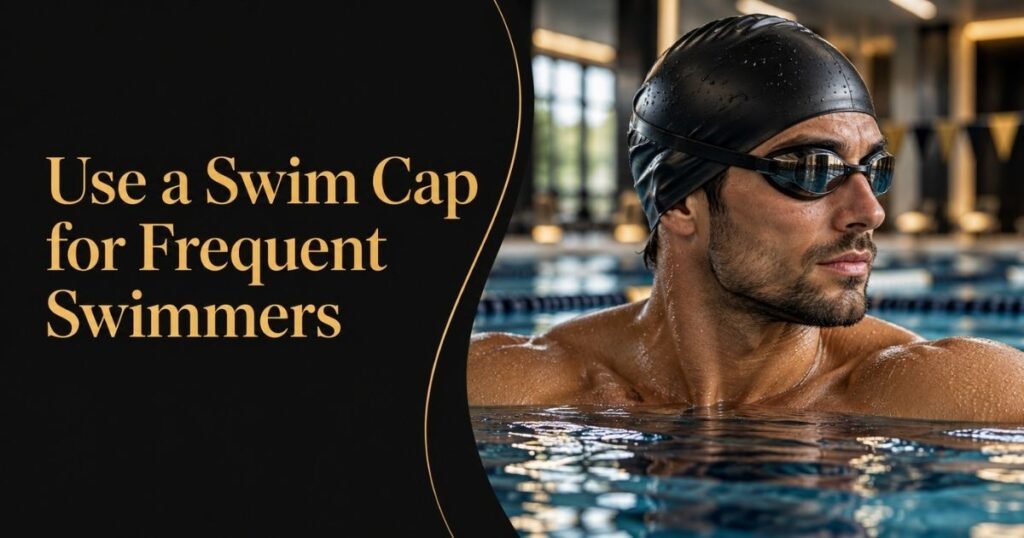
Styling Tip: Choose a silicone cap for a better seal than latex, especially for thicker or longer hair.
Maintenance: Combine with a pre-swim wetting routine for the best protection. Maintenance and styling times are estimates and may vary by hair type.
Deep Condition After Heavy Water Exposure
Overview: Frequent swimmers need more intensive hydration than a regular conditioner provides to offset repeated water exposure.
Why It Works: Deep conditioning masks penetrate further into the hair shaft, replacing moisture and proteins that chlorine and salt strip away.
Styling Tip: Apply a mask after a beach trip or several days of pool swimming, leaving it on for the time recommended on the packaging.
Maintenance: Weekly is enough for regular swimmers; occasional swimmers can use it after vacations or heavy exposure periods. Maintenance and styling times are estimates and may vary by hair type.
Watch for Green Tint From Copper in Pool Water
Overview: Lighter or color-treated hair can pick up a greenish tint from copper compounds in pool water, not chlorine itself.
Why It Works: A clarifying shampoo removes the mineral deposits causing the discoloration before it becomes more noticeable.
Styling Tip: Use a specialized “swimmer’s shampoo” or clarifying formula if you notice any tint developing.
Maintenance: Address it as soon as you notice it the longer minerals sit, the harder they are to remove. Maintenance and styling times are estimates and may vary by hair type.
Styling & Heat Management Tips
Summer heat and humidity can make styling more difficult than usual. These practical tips help reduce frizz, limit heat damage, and keep your hairstyle looking fresh.
Cut Back on Heat Styling Tools
Overview: Summer heat already stresses hair, so adding blow dryers or straighteners on top compounds the damage.
Why It Works: Reducing heat tool use gives hair a chance to recover moisture that environmental heat has already pulled out.
Styling Tip: Reserve heat tools for special occasions only, relying on air-drying or lightweight styling products the rest of the time.
Maintenance: If you must use heat, keep it on the lowest effective setting and use a heat protectant first. Maintenance and styling times are estimates and may vary by hair type.
Air-Dry Whenever Possible
Overview: Air-drying avoids the heat stress of a blow dryer entirely while summer’s warm air does most of the work for you.
Why It Works: Letting hair dry naturally reduces cumulative heat exposure, which matters more when hair is already dealing with sun and sweat.
Styling Tip: Blot with a microfiber towel first to cut drying time and reduce frizz before letting it finish air-drying.
Maintenance: Apply a lightweight styling cream while hair is still damp for better control as it dries. Maintenance and styling times are estimates and may vary by hair type.
Use a Lightweight Styling Product, Not a Heavy One
Overview: Heavy pomades and waxes that work fine in winter can look greasy and flat once sweat and humidity are added to the mix.
Why It Works: Lightweight creams and gels hold style without adding extra oil that combines badly with sweat and humidity.
Styling Tip: Work a dime-sized amount of matte clay or lightweight cream through damp hair, focusing on texture rather than heavy hold.
Maintenance: If your usual product feels too heavy by midday, that’s a sign to switch to a lighter summer formula. Maintenance and styling times are estimates and may vary by hair type.
Manage Frizz With Anti-Humidity Products
Overview: Humidity causes hair to absorb moisture from the air unevenly, which is what causes frizz a common summer complaint.
Why It Works: Anti-humidity sprays create a light coating that limits how much moisture the hair shaft pulls in from the air.
Styling Tip: Spray lightly on dry hair before heading out on especially humid days.
Maintenance: This works best as prevention apply before frizz starts rather than trying to fix it afterward. Maintenance and styling times are estimates and may vary by hair type.
Choose Low-Maintenance Cuts for Summer
Overview: A cut that needs less daily styling holds up better against sweat, humidity, and hat hair than a high-maintenance style.
Why It Works: Shorter or textured cuts dry faster, hold shape better under sweat, and need less product to look intentional.
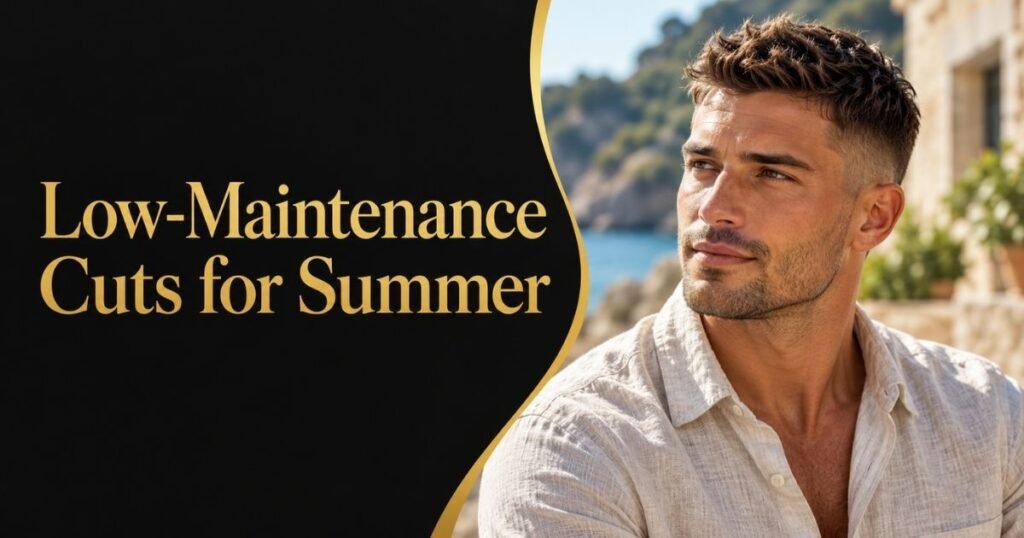
Styling Tip: Ask your barber for a versatile crop or textured fade that looks good whether it’s styled or left natural.
Maintenance: Plan a fresh cut at the start of summer, then maintain it every 4–6 weeks through the season. Maintenance and styling times are estimates and may vary by hair type.
Fix Hat Hair Without Restyling From Scratch
Overview: Wearing a hat for sun protection often leaves hair flattened, but a full restyle isn’t necessary to fix it.
Why It Works: Dry shampoo or a light texturizing spray reintroduces volume and grip without needing to wet and restyle hair.
Styling Tip: Spray dry shampoo at the roots and scrunch gently with your fingers to lift flattened sections.
Maintenance: Keep a small dry shampoo or texture spray in your bag if you wear hats often during the day. Maintenance and styling times are estimates and may vary by hair type.
Scalp Health Tips
A healthy scalp is the foundation of healthy hair, especially during hot weather. Learn how to manage sweat, oil, and irritation to keep your scalp comfortable all summer.
Treat Your Scalp Like Skin
Overview: The scalp is skin, and it faces the same sun, sweat, and buildup challenges as your face just often ignored.
Why It Works: A dedicated scalp routine (cleansing, occasional exfoliation, hydration) supports healthier hair growth at the root.
Styling Tip: Add a scalp treatment or pre-wash oil once a week as part of your regular hair wash routine.
Maintenance: Focus scalp care on the crown and hairline, where sun and sweat exposure is highest. Maintenance and styling times are estimates and may vary by hair type.
Watch for Increased Oiliness
Overview: Higher temperatures naturally increase oil production, so hair that looked fine in spring might need more frequent washing by midsummer.
Why It Works: Recognizing this shift early prevents buildup that can lead to itchiness, dandruff, or a dull appearance.
Styling Tip: If hair looks oily by midday, consider adding one extra wash per week rather than switching products entirely.
Maintenance: Reassess your routine every few weeks as summer heat intensifies. Maintenance and styling times are estimates and may vary by hair type.
Address Sweat-Related Scalp Irritation Early
Overview: Sweat sitting on the scalp for extended periods can cause itching or irritation, especially for active men.
Why It Works: A soothing, sulfate-free shampoo formulated for sensitive scalps calms irritation before it becomes a bigger issue.
Styling Tip: Wash promptly after intense workouts rather than leaving sweat to dry on the scalp for hours.
Maintenance: If irritation persists beyond a few days, it’s worth checking with a dermatologist rather than continuing to self-treat. Maintenance and styling times are estimates and may vary by hair type.
Don’t Neglect Sunscreen on Exposed Scalp Areas
Overview: Thinning hair or a shorter cut can expose more scalp to direct sun than a fuller hairstyle would.
Why It Works: Scalp skin burns just like facial skin, and repeated sunburn increases long-term skin damage risk.
Styling Tip: Use a spray-on mineral sunscreen formulated for the scalp, or rely on a hat for full coverage.
Maintenance: Reapply every two hours during extended outdoor exposure, same as you would on your face. Maintenance and styling times are estimates and may vary by hair type.
Sleep & Overnight Care Tips
Your hair continues to experience friction and moisture loss while you sleep. A few simple nighttime habits can reduce breakage and help you wake up with healthier-looking hair.
Switch to a Silk or Satin Pillowcase
Overview: Cotton pillowcases create friction overnight that can worsen breakage already caused by sun and heat exposure.
Why It Works: Silk and satin surfaces let hair glide instead of catch, reducing tangling and breakage while you sleep.
Styling Tip: No routine change needed just swap the pillowcase material for an easy overnight upgrade.
Maintenance: Wash the pillowcase weekly along with your regular bedding. Maintenance and styling times are estimates and may vary by hair type.
Never Sleep With Fully Wet Hair
Overview: Wet hair is more fragile than dry hair, and tossing and turning on soaked strands overnight increases breakage risk.
Why It Works: Allowing hair to at least partially dry before bed reduces the mechanical stress it experiences during sleep.
Styling Tip: If you shower at night, towel-dry thoroughly and give hair 20–30 minutes before lying down.
Maintenance: A quick blast of cool air from a dryer works if you’re short on time. Maintenance and styling times are estimates and may vary by hair type.
Loosely Tie Back Longer Hair Overnight
Overview: For men with longer hair, a loose braid or low tie overnight prevents the tangling and friction damage that loose hair experiences.
Why It Works: Keeping hair contained reduces the amount it rubs against fabric and against itself while you move in your sleep.
Styling Tip: Use a soft fabric hair tie rather than a tight elastic to avoid breakage at the tie point.
Maintenance: Keep the tie loose enough that it doesn’t pull at the scalp overnight. Maintenance and styling times are estimates and may vary by hair type.
Diet & Hydration Tips
Healthy hair starts from within. Staying hydrated and eating nutrient-rich foods supports stronger, shinier hair throughout the summer months.
Drink More Water Than You Think You Need
Overview: Dehydration shows up in hair as dullness and dryness, often before you notice feeling thirsty yourself.
Why It Works: Adequate hydration supports the moisture balance of both scalp and hair strands from the inside out.
Styling Tip: Increase water intake on days with heavy sun exposure, sweating, or swimming.
Maintenance: This is a background habit no styling routine required, just consistency. Maintenance and styling times are estimates and may vary by hair type.
Eat for Hair Health, Not Just Skin Health
Overview: Nutrients like biotin, omega-3s, and protein support the same hair strength that topical products only address from the outside.
Why It Works: Hair strands are largely built from protein, so adequate dietary protein and key vitamins support stronger growth over time.
Styling Tip: Add eggs, nuts, salmon, or leafy greens to your regular meals rather than relying on supplements alone.
Maintenance: This supports long-term hair health rather than fixing summer damage overnight think of it as a background habit. Maintenance and styling times are estimates and may vary by hair type.
Hair-Type-Specific Tips
Every hair type reacts differently to summer heat and humidity. These tailored tips will help you care for straight, wavy, curly, thick, or fine hair more effectively.
Thick or Curly Hair: Prioritize Moisture Over Cleansing
Overview: Thick and curly hair types naturally hold less moisture than straight hair, making them more vulnerable to summer dryness.
Why It Works: Prioritizing hydrating products over frequent cleansing keeps curls defined instead of frizzy and prevents moisture loss.
Styling Tip: Use the layering method a lightweight lotion, then a light oil, then a cream to seal in moisture after washing.
Maintenance: Refresh curls between washes with a water-based spray rather than a full rewash. Maintenance and styling times are estimates and may vary by hair type.
Fine or Thin Hair: Avoid Heavy Products That Weigh Hair Down
Overview: Fine or thin hair can look flat and greasy fast in summer heat if products are too heavy for the hair’s natural texture.
Why It Works: Lightweight, volumizing formulas add texture and hold without the weight that causes fine hair to fall flat under sweat.
Styling Tip: Use a volumizing mousse or dry shampoo at the roots rather than a cream or pomade.
Maintenance: Wash slightly more often than other hair types, since fine hair shows oil buildup faster. Maintenance and styling times are estimates and may vary by hair type.
How To Choose The Right Routine For Your Hair Type
Hair Types:
- Thick hair: Focus on moisture retention and weekly deep conditioning; avoid over-washing.
- Thin hair: Prioritize lightweight, volumizing products and slightly more frequent washing.
- Curly hair: Reduce wash frequency, prioritize hydration, and use the LOC (lotion, oil, cream) layering method.
- Straight hair: Watch for oil buildup at the roots; a clarifying wash weekly helps keep hair looking fresh.
- Wavy hair: Balance hydration and hold a light cream usually works better than a heavy pomade in summer humidity.
Face Shapes:
- Oval: Most cuts work well; low-maintenance crops and textured fades hold up especially well in summer.
- Round: Add height at the crown with shorter sides to avoid a flattened, sweat-heavy look.
- Square: Textured, slightly longer styles on top soften strong jawlines while staying easy to maintain.
- Long: Shorter sides with volume on top help balance face length and reduce the “flat under a hat” effect.
How To Ask Your Barber For Summer Maintenance
- Bring a reference photo of the length and texture you want, especially if you’re going shorter for summer.
- Explain your preferred length on the sides and top separately, since summer cuts often trim sides shorter than usual.
- Mention your daily styling routine (or lack of one) so they can recommend a cut that matches your effort level.
- Ask specifically about maintenance between visits, including how it will grow out over 4–6 weeks.
- Explain your lifestyle needs swimming, gym, outdoor work so they can suggest a style that holds up.
- Confirm the final shape and length before the first cut, especially if you’re trying something new for the season.
Product Recommendations
These are the product recommendations for your summer hair care routine:
Hair Cream
- Best For: Adding light texture and moisture without heavy shine.
- How To Use: Work a small amount through damp hair before air-drying or light styling.
Pomade
- Best For: Structured styles needing hold, though a lighter formula works better in summer heat.
- How To Use: Rub between palms to warm slightly, then work through dry or slightly damp hair.
Wax
- Best For: Textured, matte finishes on shorter styles.
- How To Use: Apply sparingly to fingertips and work through the ends for definition rather than the roots.
Clay
- Best For: Strong hold with a natural matte finish, ideal for humid conditions.
- How To Use: Warm a small amount between fingers before distributing evenly through dry hair.
Shampoo
- Best For: Everyday cleansing; choose sulfate-free for summer use.
- How To Use: Massage into a wet scalp for 30–60 seconds before rinsing thoroughly.
Conditioner
- Best For: Replacing moisture lost to sun, sweat, and chlorine exposure.
- How To Use: Apply to mid-lengths and ends, leave for 2–3 minutes, then rinse with cool water.
Pairing Your Routine with the Right Cut
- If you’re after a more relaxed, effortless edge, our Middle Part Hairstyles for Men covers 35 variations from classic curtains to fades and mullets with tips on getting the part to sit right based on your hair length and texture.
- If you want a softer, rounder alternative to a straight-line fade, our Burst Fade Haircuts for Men covers 35 variations from mullets and mohawks to curly tops and afros with tips on choosing the right fade height for your hair type and face shape.
- If you like the idea of a shaggy, layered top without going full mullet, check out our Wolf Cut Hairstyles for Men guide, which covers 40 variations blending a textured crown with mullet-length ends, plus styling tips for straight, wavy, and curly hair.
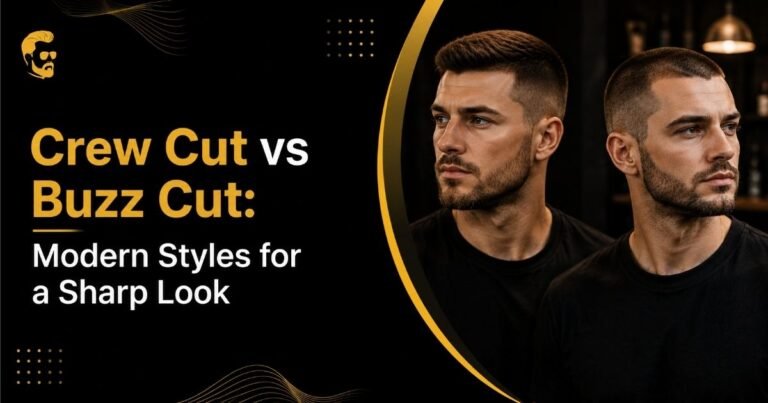
- For more classic and professional looks, our guides to the comb over haircut, crew cut hairstyle, and Ivy League haircut are great starting points, and our comparison of the crew cut vs buzz cut helps you pick between two low-maintenance staples.
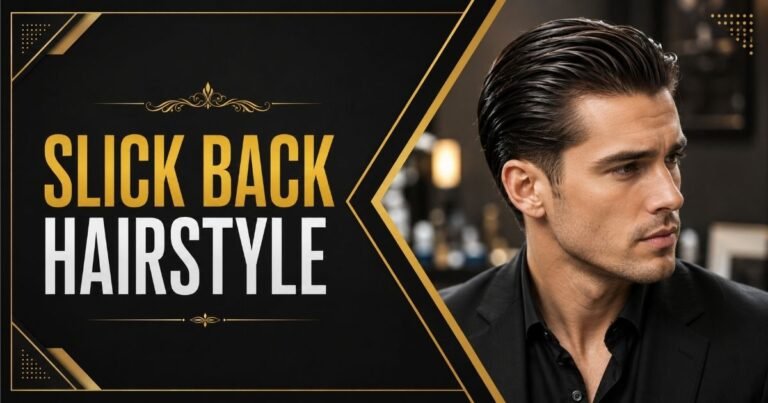
- If you prefer a sleek finish, check out our guide to the slick back hairstyle, the middle part hairstyle for men, and our roundup of professional hairstyles for the office.
- Looking for inspiration from global trends or specific needs? Our guides to the K-pop haircut, Korean hairstyle for men, and afro hairstyles for men highlight some standout international styles.
- If you’re dealing with specific concerns, our guide to big forehead hairstyles offers practical solutions, and athletes can check out our picks for hairstyles for soccer players.
- For a broader overview, browse our full guides to hairstyles for men, hair styles for men, and long hairstyles for men.
- Once you’ve picked a style, our hair care guide for men covers how to keep it looking its best.
- Finally, if you’re on the business side of things, our breakdown of current men’s haircut prices offers a useful benchmark, our list of barbershop marketing ideas can help grow your client base, and our roundup of barber hashtags for Instagram can boost your social presence.
Final Thoughts
Summer hair care doesn’t need to be complicated to be effective. A few consistent habits, washing smarter, protecting against sun and chlorine, and choosing lighter products go a long way toward keeping hair healthy through the hottest months. Pay attention to how your specific hair type responds to heat, humidity, and sweat.
Adjust your routine gradually rather than overhauling everything at once. Don’t be afraid to experiment with a lower-maintenance cut or a new product this season summer is a low-stakes time to try something different before settling back into your usual routine in the fall.
FAQs
How Often Should Men Wash Their Hair in Summer?
Most men benefit from washing 3–4 times weekly in summer, using a lightweight shampoo. Add a weekly clarifying wash to remove sweat, sunscreen, and product buildup that a regular formula might miss.
Does Sweat Cause Hair Loss?
Sweat itself doesn’t directly cause hair loss, but leaving it on the scalp for long periods can lead to irritation, clogged follicles, or dandruff, which may contribute to hair thinning over time if left untreated.
Should I Use Conditioner Every Day in Summer?
Yes, conditioner is especially important in summer since sun and heat pull extra moisture from hair. Apply it to the mid-lengths and ends after every wash to prevent dryness and brittleness.
Does Chlorine Really Damage Hair?
Yes, chlorine strips natural oils and can dry out hair, especially with frequent swimming. Wetting hair with fresh water before swimming and rinsing immediately afterward significantly reduces this damage.
Can Heat Styling in Summer Cause Permanent Damage?
Repeated heat styling on top of summer sun exposure can weaken hair’s protein structure over time. Reducing heat tool use and air-drying when possible helps prevent cumulative damage through the season.