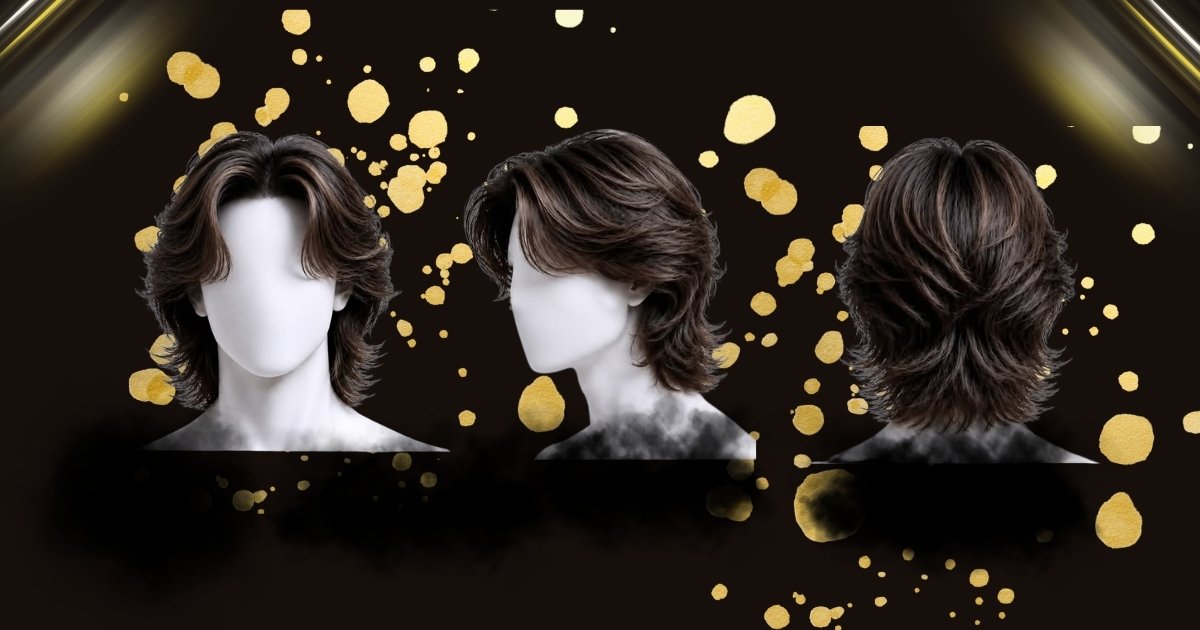
Wolf Cut Hairstyles for Men: Modern Styles for a Sharp Look
Wolf cut Hairstyle is a layered men’s hairstyle that blends a shaggy top with mullet-length ends, creating short, choppy layers at the crown and longer, textured hair at the back and sides.
It suits straight, wavy, and curly hair, works across most face shapes, and needs only light, low-maintenance styling. Getting wolf cut hairstyles right is trickier than it looks.
Wolf Cut Comparison Table :
This guide breaks down 39 real wolf cut hairstyles for men, teens, and boys, plus exactly how to pick and style yours.
| Hairstyle | Best Hair Type | Face Shape | Maintenance | Styling Time |
| Classic Wolf Cut | Wavy, Thick | Oval, Round | Medium | 5–10 min |
| Short Wolf Cut | Straight, Thin | Oval, Square | Low | 5 min |
| Long Wolf Cut | Wavy, Thick | Oval, Heart | Medium | 10–15 min |
| Curly Wolf Cut | Curly | Round, Square | Low | 5–10 min |
| Wavy Wolf Cut | Wavy | Oval, Diamond | Low | 5 min |
| Straight Wolf Cut | Straight | Oval, Long | Medium | 10 min |
| Wolf Cut with Curtain Bangs | Straight, Wavy | Heart, Square | Medium | 10 min |
| Wolf Cut with Fade | All types | Oval, Round | Medium | 10 min |
| Wolf Cut with Undercut | Thick, Straight | Square, Oval | Medium | 10 min |
| Wolf Cut Mullet | Wavy, Thick | Oval, Long | Medium | 10 min |
| Korean Wolf Cut | Straight, Thick | Oval, Round | Low | 5–10 min |
| Japanese Wolf Cut | Straight | Oval, Square | Low | 5 min |
| Wolf Cut for Thin Hair | Thin | Round, Oval | Low | 5 min |
| Wolf Cut for Thick Hair | Thick | Square, Oval | Medium | 10–15 min |
| Messy Wolf Cut | Wavy, Curly | Oval, Round | Low | 5 min |
| Textured Wolf Cut | All types | Oval, Diamond | Medium | 10 min |
| Shaggy Wolf Cut | Wavy, Thick | Oval, Long | Medium | 10 min |
| Wolf Cut with Middle Part | Straight, Wavy | Oval, Heart | Low | 5–10 min |
| Wolf Cut with Side Part | Straight | Square, Oval | Low | 5 min |
| Wolf Cut Bangs (Full Fringe) | Straight, Wavy | Oval, Long | Medium | 10 min |
| Wolf Cut with Highlights | All types | Oval, Round | Medium | 10 min |
| Wolf Cut with Sideburns | Thick, Wavy | Square, Oval | Medium | 10 min |
| Untapered Wolf Cut | Thick, Wavy | Oval, Round | Low | 5 min |
| Wolf Cut with Low Fade | All types | Oval, Square | Medium | 10 min |
| Wolf Cut with High Fade | Thick, Straight | Square, Diamond | Medium | 10 min |
| Wolf Cut with Temple Fade | All types | Oval, Round | Medium | 10 min |
| Wolf Cut for Boys | All types | Oval, Round | Low | 5 min |
| Wolf Cut for Teens | All types | Oval, Square | Low | 5–10 min |
| Wolf Cut for Men Over 30 | All types | Oval, Square | Medium | 10 min |
| Wolf Cut with Beard | Thick, Wavy | Square, Oval | Medium | 10 min |
| South Asian Wolf Cut | Thick, Straight | Oval, Round | Medium | 10–15 min |
| Wolf Cut with Perm | Straight, Wavy | Oval, Round | Medium | 10 min |
| Two-Block Wolf Cut | Straight, Thick | Oval, Square | Medium | 10 min |
| Wolf Cut with Mohawk Influence | Thick, Straight | Oval, Long | Medium | 10 min |
| Wolf Cut with Tied-Back Top | Long, Wavy | Oval, Square | Low | 5 min |
| Colored Wolf Cut | All types | Oval, Round | Medium | 10 min |
| Wolf Cut with Buzzed Sides | All types | Oval, Diamond | Low | 5 min |
| Wolf Cut for Fine Hair | Fine, Thin | Round, Oval | Low | 5 min |
| Modern Shag Wolf Cut | Wavy, Thick | Oval, Heart | Medium | 10 min |
Here’s brief Explain of Haircuts according to your Hair type and guide for Styling them :
classic wolf cut men
- Overview: This is the original template: short, choppy layers piled up at the crown, with length that flows down toward the collar. There’s no fade and no hard lines anywhere in the cut.
- Why It Works: It flatters wavy and thick hair especially well because the layers already have movement to work with, and it suits oval and round face shapes since the volume up top adds length.
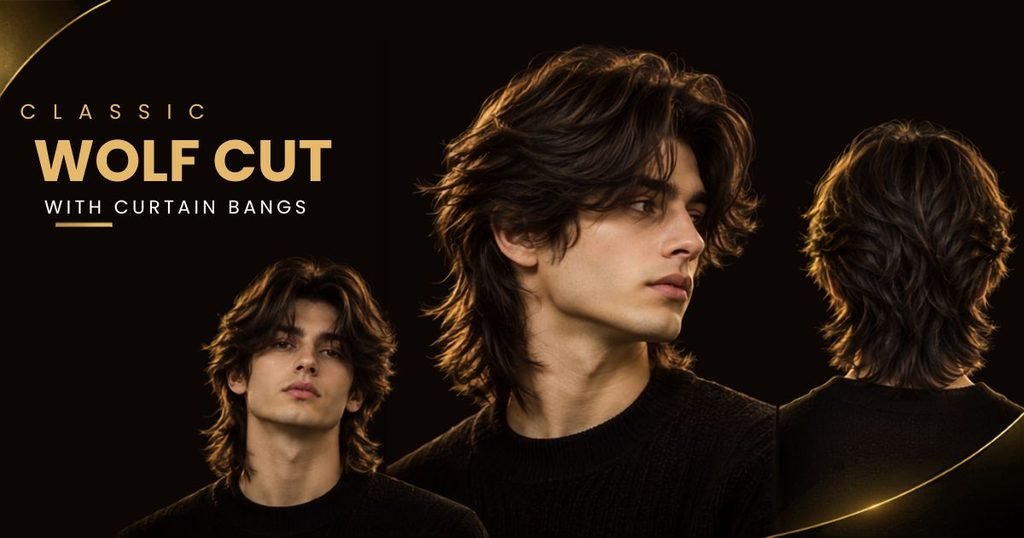
- Styling Tip: Rough-dry with a diffuser or your fingers while the hair is still damp, then work a small amount of texture clay through the crown to keep the layers separated instead of falling flat.
- Maintenance: Get the layers refreshed every 8–10 weeks so the shape doesn’t grow out into a shapeless mop. Maintenance and styling times are estimates and may vary by hair type.
Short Wolf Cut
- Overview: A cropped-up version that keeps the layered texture but trims the length everywhere, so it reads more like a textured crop than a shaggy mullet.
- Why It Works: It’s the easiest entry point for guys with straight or thin hair, and it’s professional enough for office environments while still carrying the wolf cut’s signature choppy top.
- Styling Tip: Apply a dime-sized amount of matte styling cream to towel-dried hair and scrunch upward from the roots, which builds texture without needing a blow dryer.
- Maintenance: Trim every 4–6 weeks, since shorter layers grow out and lose shape faster than longer ones. Maintenance and styling times are estimates and may vary by hair type.
Long Wolf Cut for men
- Overview: The most mullet-leaning version, with a full top, thick sides, and length that sits past the collar at the back.
- Why It Works: Thick or wavy hair carries the extra length without going flat, and oval or heart-shaped faces balance out well against the fuller silhouette.
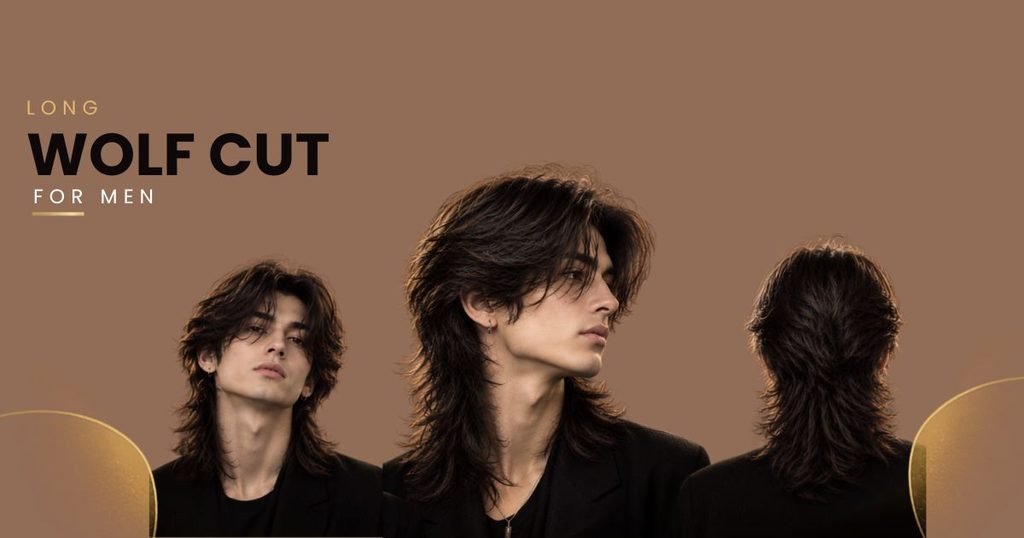
- Styling Tip: Blow-dry with a round brush lifting the roots forward, then finish with a lightweight sea salt spray through the mid-lengths to keep the ends from looking too heavy.
- Maintenance: Book a light trim every 10–12 weeks to keep the layers defined without losing the length you’re growing for. Maintenance and styling times are estimates and may vary by hair type.
Curly Wolf Cut
- Overview: The layers are cut to follow the natural curl pattern, thinning out bulk at the crown while letting the curls at the back stay full.
- Why It Works: This is arguably the best-suited hair type for the cut, since curls naturally separate into the exact texture a wolf cut is trying to fake on straight hair.
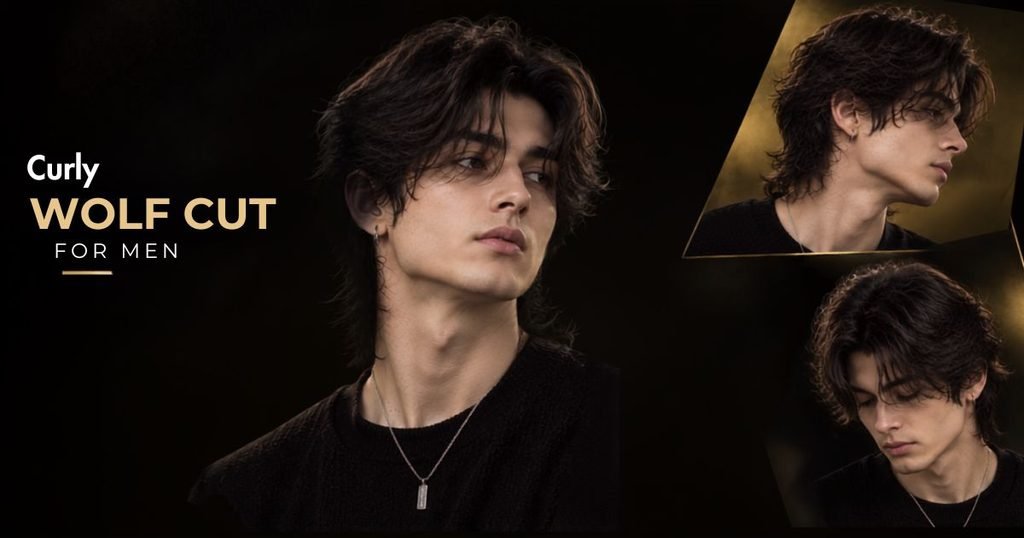
- Styling Tip: Apply a curl-defining cream to soaking-wet hair and let it air-dry or diffuse on low heat, scrunching upward instead of brushing through.
- Maintenance: Curls hide grow-out well, so an 8–10 week trim schedule is usually enough. Maintenance and styling times are estimates and may vary by hair type.
How to cut a wolf bob in curly hair?
- Section the hair. Divide into 4–6 sections center part front to back, plus two side sections.
- Cut the perimeter wet. Cut the base length 20–30% longer than your final target, low elevation, slight diagonal line not blunt.
- Layer the crown. Point-cut vertical sections through the top and crown to build the shaggy layers. Keep elevation moderate.
- Cut face-framing pieces last. Take small amounts at a time this area shrinks the most.
- Dry the hair fully before any further cutting.
- Dry-cut for precision. Point-cut any curls that sprang up uneven. Small sections, small amounts.
- Final check. Look from front, side, and back. Clean up stray pieces.
Wavy Wolf Cut
- Overview: A relaxed take that leans into a natural wave pattern rather than fighting it, with soft layers that flow rather than stand up.
- Why It Works: Waves already provide the volume and movement a wolf cut needs, so this version usually requires the least active styling of any variation on this list.
- Styling Tip: Work a texturizing spray through damp hair and let it air-dry, occasionally scrunching sections to encourage the wave pattern to clump naturally.
- Maintenance: A 10-week trim cycle keeps the wave pattern visible instead of weighed down by overgrown ends. Maintenance and styling times are estimates and may vary by hair type.
Straight Wolf Cut
- Overview: On straight hair, the layers read more crisp and defined, giving a sleeker, more polished version of the shaggy silhouette.
- Why It Works: Straight hair shows off clean layer lines clearly, which suits oval and longer face shapes that can carry sharper definition without looking harsh.
- Styling Tip: Use a light texturizing spray before blow-drying with your fingers to break up the natural flatness straight hair falls into.
- Maintenance: Because straight hair reveals grow-out fastest, plan on trims every 6–8 weeks. Maintenance and styling times are estimates and may vary by hair type.
Wolf Cut with Curtain Bangs
- Overview: Center-parted bangs frame both sides of the face while the rest of the cut keeps its shaggy, layered structure.
- Why It Works: The parted fringe softens angles on square and heart-shaped faces, and it pairs especially well with straight or slightly wavy hair.
- Styling Tip: Blow-dry the fringe outward and down using a round brush, then set with a light-hold molding paste so it doesn’t fall flat by midday.
- Maintenance: The fringe needs trimming every 4–5 weeks even if the rest of the cut waits longer, so the length stays out of your eyes. Maintenance and styling times are estimates and may vary by hair type.
Wolf Cut with Fade
- Overview: A low or mid fade replaces the usual longer sides, creating sharp contrast against the loose, textured top.
- Why It Works: It works across nearly every hair type and gives a cleaner, more structured finish that suits workplaces with stricter grooming expectations.
- Styling Tip: Apply matte clay only to the top section, working it in upward motions so the fade edge stays crisp and the top stays deliberately messy.
- Maintenance: Fades grow out visibly fast, so plan on a touch-up every 3–4 weeks to keep the contrast sharp. Maintenance and styling times are estimates and may vary by hair type.
Wolf Cut with Undercut
- Overview: The sides and back are cut close and disconnected from the long, layered top, creating a stronger contrast than a blended fade.
- Why It Works: Thick or straight hair holds this shape well since the weight is removed from the sides, letting the top’s volume stand out more.
- Styling Tip: Use a pomade with medium shine on the top section to add a bit of definition while keeping the undercut sides untouched.
- Maintenance: Rebuzz the undercut every 3 weeks, while the top layers can go 8–10 weeks between trims. Maintenance and styling times are estimates and may vary by hair type.
Wolf Cut Mullet
- Overview: This version pushes further into mullet territory, with shorter front layers and noticeably longer back length than a standard wolf cut.
- Why It Works: Wavy or thick hair supports the added back length without it looking stringy, and it suits oval or longer face shapes well.
- Styling Tip: Blow-dry the back section downward while lifting the front and crown with your fingers to keep the contrast between short and long visible.
- Maintenance: Trim only the top and sides every 8 weeks while letting the back grow out for the full mullet effect. Maintenance and styling times are estimates and may vary by hair type.
Korean Wolf Cut
- Overview: A softer, rounder take popular in Korean barbershops, with gentle layers and a fringe that sits close to the brow rather than swept fully to the side.
- Why It Works: It suits straight, dense Asian hair textures particularly well, since the layering removes bulk without needing heavy chemical texturizing.
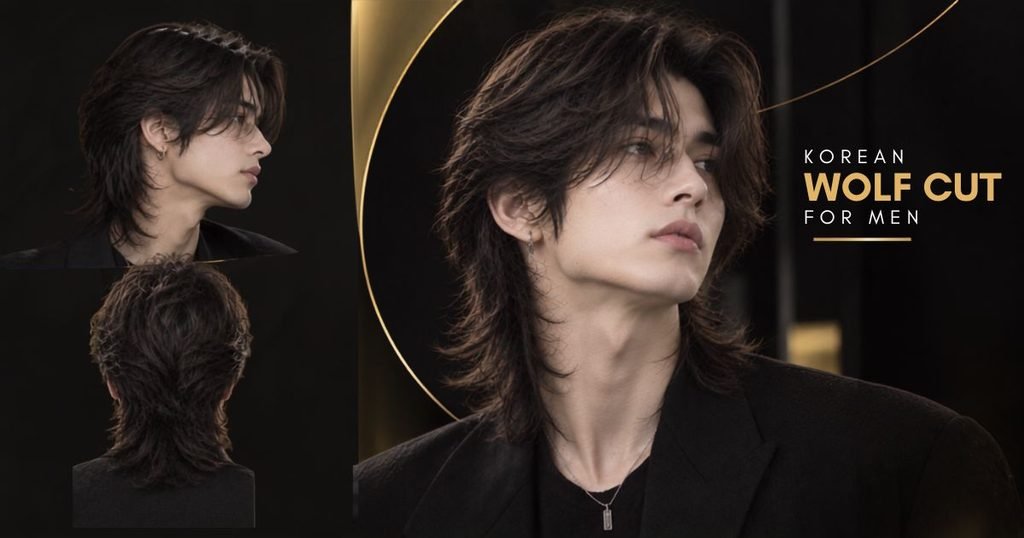
- Styling Tip: Blow-dry the fringe forward and down using a paddle brush, then apply a light texture powder at the roots for lift without heaviness.
- Maintenance: Trim every 6–8 weeks to keep the soft fringe shape from growing too heavy and losing its rounded silhouette. Maintenance and styling times are estimates and may vary by hair type.
Japanese Wolf Cut
Overview: A sharper-edged variation with choppy layers on top and slightly longer, straighter length at the sides and back.Why It Works: It’s built for straight hair and looks intentionally structured rather than tousled, making it easier to wear in more conservative settings.
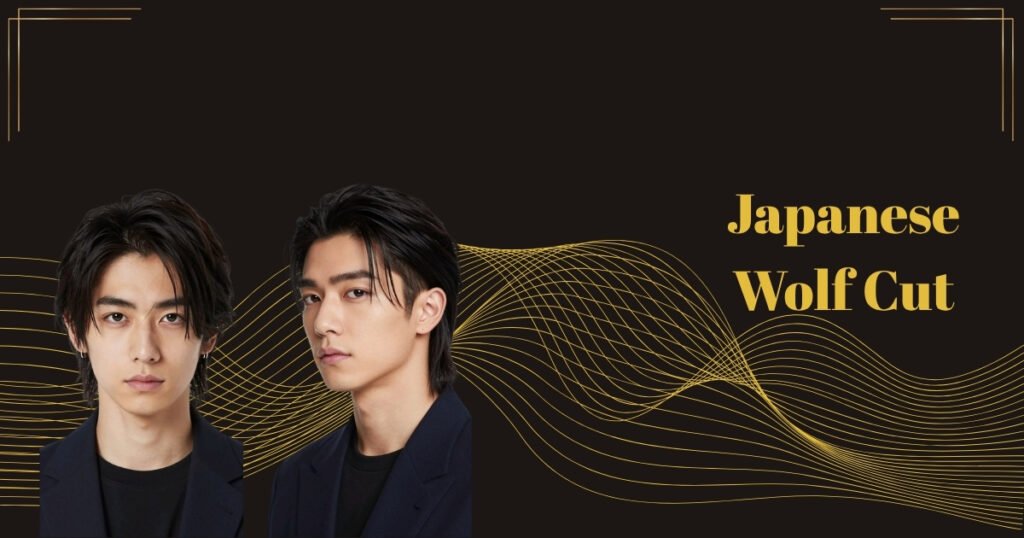
Styling Tip: Apply a small amount of matte wax to dry hair and press layers into place with your palms rather than brushing, which keeps the sharp edges intact.
Maintenance: A 6-week trim schedule keeps the sharper layer lines from softening into a shapeless grow-out. Maintenance and styling times are estimates and may vary by hair type.
Wolf Cut for Thin Hair
- Overview: Layers are cut specifically to build lift at the crown rather than remove weight, since thin hair can’t afford to lose density anywhere.
- Why It Works: The strategic layering creates the illusion of thickness, and round or oval faces benefit most from the added height on top.
- Styling Tip: Use a lightweight volumizing mousse at the roots before blow-drying upside down, which lifts the hair away from the scalp.
- Maintenance: Ask your barber to avoid thinning shears entirely and stick to point-cutting, refreshing the shape every 8 weeks. Maintenance and styling times are estimates and may vary by hair type.
Wolf Cut for Thick Hair
- Overview: Heavier layering removes bulk from the middle lengths while keeping enough length at the crown and back to maintain the wolf cut shape.
- Why It Works: Thick hair can carry dramatic layering without looking thin, and square or oval face shapes handle the extra volume well.
- Styling Tip: Use a lightweight texture clay rather than a heavy pomade, since thick hair holds shape on its own and doesn’t need much added weight.
- Maintenance: Book trims every 8 weeks so the layers stay separated instead of merging back into one dense mass. Maintenance and styling times are estimates and may vary by hair type.
Messy Wolf Cut
- Overview: A deliberately unkempt version where layers are left loose and asymmetrical rather than combed into a defined shape.
- Why It Works: Wavy and curly hair types naturally fall into this look with minimal effort, making it ideal for guys who don’t want a daily styling routine.
- Styling Tip: Scrunch a small amount of sea salt spray into damp hair and let it air-dry without brushing, which keeps the texture looking natural.
- Maintenance: Because the style hides grow-out well, a 10–12 week trim cycle is usually sufficient. Maintenance and styling times are estimates and may vary by hair type.
Textured Wolf Cut
- Overview: Point-cutting and razoring create heavier texture throughout the layers, giving a rougher, more broken-up finish than the classic version.
- Why It Works: Works across almost any hair type, and the broken texture is especially flattering on diamond or oval face shapes.
- Styling Tip: Rub a matte texture paste between your palms and press it through dry hair section by section rather than raking it through all at once.
- Maintenance: Trim every 8 weeks to keep the razored ends from splitting further and looking frayed instead of intentional. Maintenance and styling times are estimates and may vary by hair type.
Shaggy Wolf Cut
- Overview: Leans further into ’70s shag territory, with feathered layers throughout and less contrast between the top and back lengths than a classic wolf cut.
- Why It Works: Wavy or thick hair gives the feathered layers natural movement, and oval or longer faces suit the fuller, rounder silhouette.
- Styling Tip: Blow-dry with a round brush rolling ends outward at the sides, then finish with a light-hold spray to keep the feathered shape without stiffness.
- Maintenance: A 10-week trim schedule maintains the feathered layer pattern before it grows into one uniform length. Maintenance and styling times are estimates and may vary by hair type.
Wolf Cut with Middle Part
- Overview: A clean center part splits the front layers evenly, framing the face while the rest of the cut keeps its shaggy volume.
- Why It Works: This works best on oval, heart, or diamond face shapes, since the symmetrical part balances features without adding extra width.
- Styling Tip: Comb the front section into a center part while damp, then dry with a diffuser to keep the natural texture instead of flattening it straight.
- Maintenance: Trim every 8 weeks, focusing on keeping the part line clean without cutting into the layered volume behind it. Maintenance and styling times are estimates and may vary by hair type.
Wolf Cut with Side Part
- Overview: A more traditional side part replaces the fringe entirely, giving a slightly more polished, office-friendly take on the wolf cut.
- Why It Works: Straight hair holds a side part cleanly, and square or oval faces both suit the asymmetrical framing it creates.
- Styling Tip: Comb hair to one side while damp and apply a light-hold pomade to keep the part defined through the day without looking greasy.
- Maintenance: An 8-week trim cycle keeps the part and layers looking intentional rather than overgrown. Maintenance and styling times are estimates and may vary by hair type.
Wolf Cut Bangs (Full Fringe)
- Overview: A blunt, full fringe sits across the entire forehead instead of parting into curtains, paired with the usual layered crown and back.
- Why It Works: It suits longer face shapes especially well by visually shortening the forehead, and works with straight or lightly wavy hair.
- Styling Tip: Blow-dry the fringe straight down with a paddle brush, then use a small amount of styling cream to keep flyaways controlled.
- Maintenance: The fringe needs trimming every 3–4 weeks to stay out of your eyes, even if the rest of the cut waits longer. Maintenance and styling times are estimates and may vary by hair type.
Wolf Cut with Highlights
- Overview: Subtle foil highlights are placed through the top layers to add dimension and make the choppy texture more visually distinct.
- Why It Works: Works on any hair type, and the added contrast between colors helps the layered shape read more clearly, especially on camera.
- Styling Tip: Use a color-safe styling cream rather than a heavy oil-based pomade, since oils can dull the brightness of the highlighted sections.
- Maintenance: Touch up color every 8–10 weeks alongside your regular haircut to keep the highlights from growing out unevenly. Maintenance and styling times are estimates and may vary by hair type.
Wolf Cut with Sideburns
- Overview: Elongated sideburns connect visually with the longer sides of the cut, adding a sharper, more angular frame to the face.
- Why It Works: Works best on square or oval faces, and thick or wavy hair pairs naturally with the fuller sideburn shape.
- Styling Tip: Trim sideburns with a straight razor edge for a crisp line, then apply matte clay only to the top so the sideburns stand out by contrast.
- Maintenance: Sideburns need edging every 2–3 weeks to stay sharp, even between full haircut appointments. Maintenance and styling times are estimates and may vary by hair type.
Untapered Wolf Cut
- Overview: The sides keep the same length all the way down instead of thinning toward the ends, giving a bulkier, more robust silhouette.
- Why It Works: Thick or wavy hair carries the extra bulk well, and this version is genuinely one of the lowest-maintenance on this list.
- Styling Tip: Simply towel-dry and run a small amount of sea salt spray through with your fingers, no blow dryer needed for most hair types.
- Maintenance: A 10–12 week trim cycle is enough since there’s no taper line to maintain. Maintenance and styling times are estimates and may vary by hair type.
Wolf Cut with Low Fade
- Overview: The fade starts just above the ear, keeping most of the side length intact while still adding a clean, tapered edge.
- Why It Works: Works across nearly every hair type and face shape, making it the safest fade option for guys new to the wolf cut.
- Styling Tip: Apply matte clay to the top only, keeping the faded sides untouched so the contrast between clean and messy stays crisp.
- Maintenance: Fade touch-ups every 3–4 weeks keep the low fade line sharp against the longer top. Maintenance and styling times are estimates and may vary by hair type.
Wolf Cut with High Fade
- Overview: A more dramatic fade that starts higher up the head, creating maximum contrast against the loose, voluminous top.
- Why It Works: Suits square or diamond face shapes especially well, and thick or straight hair holds the shape of the high-contrast top best.
- Styling Tip: Use a stronger-hold pomade on top to keep the volume looking intentional against the closely shaved sides.
- Maintenance: High fades need touch-ups every 2–3 weeks to stay clean, more frequently than lower fade versions. Maintenance and styling times are estimates and may vary by hair type.
Wolf Cut with Temple Fade
- Overview: Fading is limited to the temple area only, leaving the rest of the sides and back at their natural longer length.
- Why It Works: Works well on any hair type and gives a subtler, more everyday-wearable contrast than a full side fade.
- Styling Tip: Focus product only on the crown and front, letting the untouched back and sides fall naturally for balance.
- Maintenance: Temple touch-ups every 3–4 weeks keep the small faded area from blending back into the longer length. Maintenance and styling times are estimates and may vary by hair type.
Wolf Cut for Boys
- Overview: A shorter, simplified version of the wolf cut with light layering on top and minimal length at the back, built for easy daily upkeep.
- Why It Works: Works on nearly any hair type kids have, and the shorter length means less daily maintenance for busy mornings before school.
- Styling Tip: A small amount of light hair cream worked through damp hair is usually all that’s needed, no heat styling required.
- Maintenance: Trim every 6 weeks, since kids’ hair tends to grow faster and lose shape quicker than adult hair. Maintenance and styling times are estimates and may vary by hair type.
Wolf Cut for Teens
- Overview: A slightly longer version than the boys’ cut, with more defined layers at the crown and a bit more length at the back for a trendier look.
- Why It Works: Fits most face shapes at this age, and gives teens room to experiment with texture without committing to a dramatic style.
- Styling Tip: Apply a lightweight texture spray to damp hair and let it air-dry, which keeps things low-effort for school mornings.
- Maintenance: Trim every 6–8 weeks to keep the layers from growing out unevenly. Maintenance and styling times are estimates and may vary by hair type.
Wolf Cut for Men Over 30
- Overview: A more restrained version with tighter layering and curtain bangs or a low fade, reading as intentional rather than trend-chasing.
- Why It Works: Works on any hair type, and the more controlled shape suits professional settings while still carrying the wolf cut’s texture.
- Styling Tip: Use a cream-based product with light shine rather than a fully matte finish, which reads slightly more polished for older audiences.
- Maintenance: Book trims every 6–8 weeks to keep the shape looking deliberate rather than overgrown. Maintenance and styling times are estimates and may vary by hair type.
Wolf cut with beard and mustache
- Overview: A full or stubble beard is paired with the wolf cut’s shaggy top, balancing the longer hair with facial hair density.
- Why It Works: Works especially well on square or oval faces, where the beard adds structure against the looser, textured top.
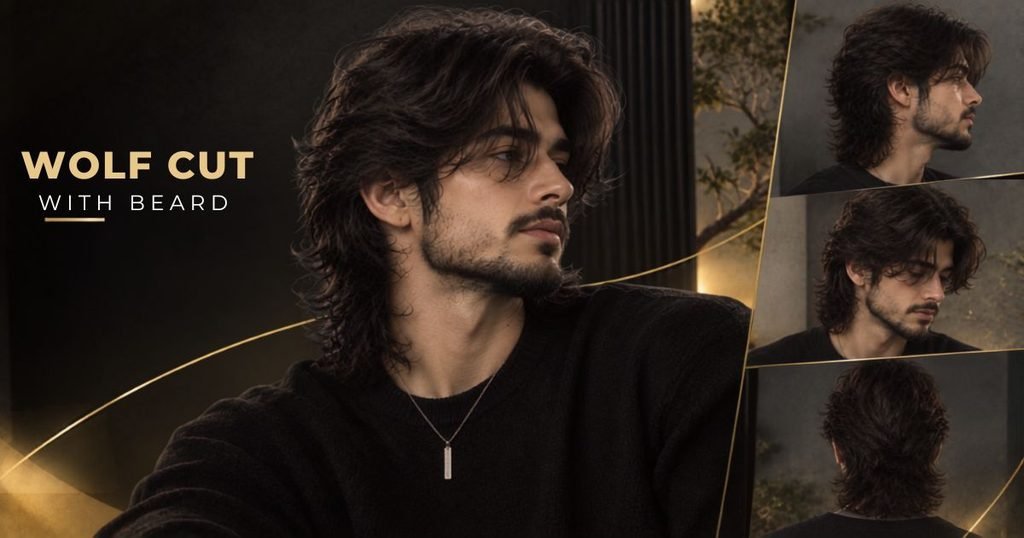
- Styling Tip: Use a separate beard oil for the facial hair and a matte clay for the top, keeping the two textures distinct instead of blending products.
- Maintenance: Trim the beard weekly and the hair every 8 weeks to keep both elements looking maintained together. Maintenance and styling times are estimates and may vary by hair type.
South Asian Wolf Cut
- Overview: Layers are cut deeper than usual to manage naturally thick, dense hair, thinning out weight at the crown while keeping length at the back.
- Why It Works: Thick, straight South Asian hair textures hold volume well but can look bulky without heavier layering, and this version accounts for that density directly.
- Styling Tip: Use a lightweight, humidity-resistant texture spray rather than a heavy pomade, since dense hair in humid climates needs products that add grip without weighing it down.
- Maintenance: Trim every 6–8 weeks, since dense hair regrows its shape faster than finer textures. Maintenance and styling times are estimates and may vary by hair type.
Wolf cut with permed hair
- Overview: A loose perm is added to naturally straight hair to create the volume and texture a wolf cut relies on, without waiting for natural waves to grow.
- Why It Works: Ideal for men with straight or fine hair who want the fuller wolf cut silhouette without daily heat styling.
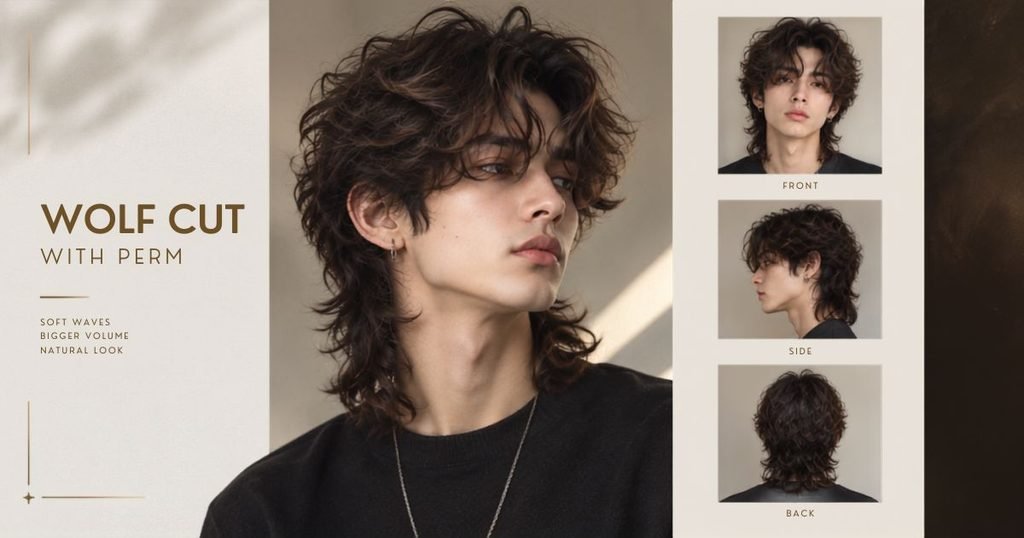
- Styling Tip: Scrunch a curl cream through damp hair after washing, then let it air-dry to preserve the perm pattern instead of brushing it out.
- Maintenance: Perms typically last 4–6 months, but get regular trims every 8 weeks in between to keep the shape intact. Maintenance and styling times are estimates and may vary by hair type.
Two-Block Wolf Cut
- Overview: Borrowed from Korean barbering, the sides and back are cut short and disconnected from a noticeably longer, layered top section.
- Why It Works: Works particularly well on straight, thick hair, and the strong contrast suits oval or round face shapes by adding height.
- Styling Tip: Blow-dry the top forward and up using a paddle brush, then set with texture powder at the roots for lasting lift.
- Maintenance: Rebuzz the shorter sides every 3 weeks while the top layers can wait 8–10 weeks between trims. Maintenance and styling times are estimates and may vary by hair type.
Wolf Cut with Mohawk Influence
- Overview: The sides are cut shorter than a typical wolf cut, drawing more attention to a heavily layered, raised strip of hair down the center.
- Why It Works: Works best on thick or straight hair that can hold height without a lot of product, and suits oval or longer face shapes.
- Styling Tip: Apply a strong-hold molding paste to the center section only, pushing hair upward and slightly back for lift.
- Maintenance: Trim every 6 weeks to keep the raised center strip distinct from the shorter sides. Maintenance and styling times are estimates and may vary by hair type.
Wolf Cut with Tied-Back Top
- Overview: For longer growth stages, the top section is gathered and tied back into a small knot while the shorter layers and back are left loose.
- Why It Works: Useful for guys growing out a longer wolf cut who need a practical option for gym sessions or hot weather, and it suits any face shape.
- Styling Tip: Use a small, soft hair tie to avoid breakage, and smooth flyaways with a touch of pomade before tying back.
- Maintenance: Keep the underlayer trimmed every 8 weeks even while growing the top out longer. Maintenance and styling times are estimates and may vary by hair type.
Colored Wolf Cut hair
- Overview: A bold, all-over color change, from ash tones to brighter shades, applied across the full layered shape to make the texture pop visually.
- Why It Works: Works on any hair type, and strong color contrast helps the choppy layers read more clearly from a distance.
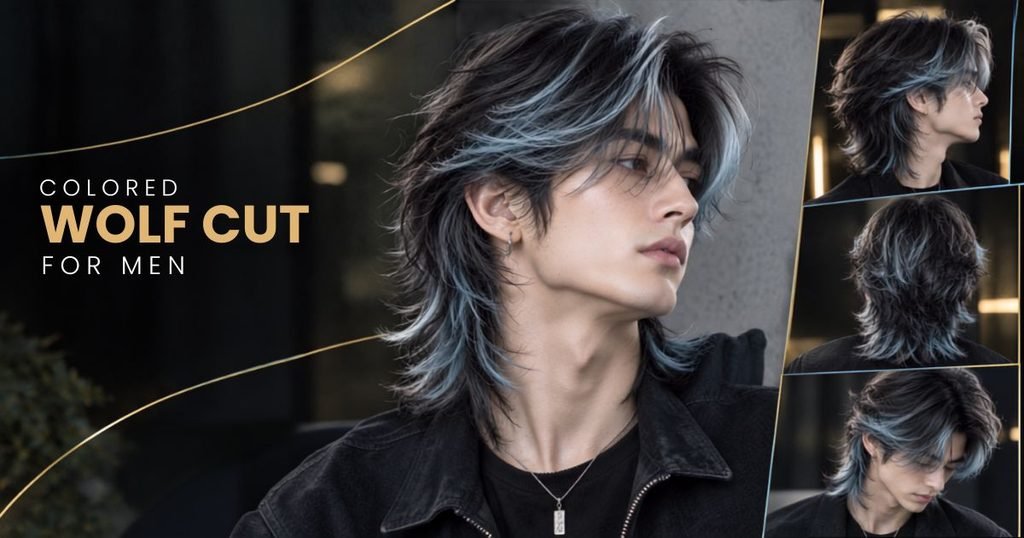
- Styling Tip: Use color-protecting shampoo and a leave-in cream rather than heavy waxes, which can dull vibrant color over time.
- Maintenance: Refresh color every 6–8 weeks alongside your regular trim to prevent visible root grow-out. Maintenance and styling times are estimates and may vary by hair type.
Wolf Cut with Buzzed Sides
- Overview: The sides and back are buzzed down to a short, even length using clippers, leaving all the length and texture concentrated on top.
- Why It Works: Works on any hair type and is one of the lowest-maintenance ways to wear a wolf cut, since there’s nothing to style below the crown.
- Styling Tip: Focus all product on the top section only, using a texture clay to keep the layers separated against the buzzed backdrop.
- Maintenance: Rebuzz the sides every 2–3 weeks to keep the contrast against the longer top looking clean. Maintenance and styling times are estimates and may vary by hair type.
Wolf Cut for Fine Hair
- Overview: Similar to the thin-hair version but tailored to fine strand texture rather than low density, with lighter layering to avoid making hair look wispy.
- Why It Works: Round or oval faces benefit from the added crown lift, and fine hair holds a soft, natural texture well without heavy product.
- Styling Tip: Use a lightweight volumizing spray at the roots rather than a heavy cream, which can weigh fine strands down instead of lifting them.
- Maintenance: Trim every 8 weeks to prevent fine ends from looking thin and stringy as they grow out. Maintenance and styling times are estimates and may vary by hair type.
Modern Shag Wolf Cut
- Overview: A polished hybrid that softens the wolf cut’s rougher edges with a more rounded, feathered shag silhouette throughout.
- Why It Works: Works well on wavy or thick hair, and the rounded shape suits oval or heart-shaped faces looking for something wearable day to day.
- Styling Tip: Blow-dry with a round brush, rolling ends inward slightly for a softer finish, then set lightly with a flexible-hold spray.
- Maintenance: A 9–10 week trim schedule keeps the feathered ends from losing their rounded shape. Maintenance and styling times are estimates and may vary by hair type.
How To Choose The Right Hairstyle?
Picking the right wolf cut comes down to two things: your hair type and your face shape.
By Hair Type :
- Thick hair: Handles heavier layering and longer length well. Look at the Classic Wolf Cut, Long Wolf Cut, or South Asian Wolf Cut.
- Thin hair: Needs layers that build lift, not remove weight. Try the Wolf Cut for Thin Hair or Wolf Cut for Fine Hair.
- Curly hair: Layers should follow the curl pattern rather than fight it. The Curly Wolf Cut is built exactly for this.
- Straight hair: Shows off clean layer lines. The Straight Wolf Cut, Two-Block Wolf Cut, or Japanese Wolf Cut work well.
- Wavy hair: Naturally low-maintenance. The Wavy Wolf Cut or Messy Wolf Cut requires the least daily effort.
By Face Shape :
- Oval: The most flexible shape. Nearly any version on this list works, including bolder options like the Wolf Cut with Mohawk Influence.
- Round: Longer layers with height at the crown help elongate the face. Look at the Classic Wolf Cut or Wolf Cut for Thin Hair.
- Square: Softer, textured layers ease sharp jawlines without hiding them. Try the Wolf Cut with Sideburns or Two-Block Wolf Cut.
- Long: Fuller sides and a rounder shape balance out length. The Shaggy Wolf Cut or Modern Shag Wolf Cut work best.
- Heart: Curtain bangs narrow a wider forehead. The Wolf Cut with Curtain Bangs is the clearest match.
How To Ask Your Barber?
Getting a wolf cut right the first time comes down to communication. Use these steps at your next appointment:
- Bring reference photos from a few different angles, not just one straight-on shot.
- Explain your preferred length at the crown, sides, and back separately, since a wolf cut relies on contrast between them.
- Mention your daily styling routine so your barber can cut layers that suit how much effort you’re actually willing to put in.
- Ask about maintenance frequency upfront, especially if you’re choosing a fade or undercut version.
- Explain your workplace or lifestyle needs if you need something more conservative, like a low fade or side part version.
- Confirm the final shape before any cutting begins, particularly around fringe length and how short the sides will go.
Product Recommendations :
Here are product recommendations for styling your hairs according to you Hair type :
Hair Cream :
- Best For: Fine or thin hair needing light hold without stiffness.
- How To Use: Warm a small amount between palms and work through damp hair, focusing on mid-lengths and ends.
Pomade :
- Best For: Straight or thick hair that needs shine and structured hold.
- How To Use: Apply to dry hair in small amounts, building up gradually to avoid a greasy finish.
Wax :
- Best For: Defining choppy, textured layers with a matte finish.
- How To Use: Rub between fingertips until slightly melted, then press into sections rather than raking through.
Clay :
- Best For: Thick or wavy hair needing strong hold with zero shine.
- How To Use: Apply to towel-dried hair and work through the crown first, where most volume is needed.
Shampoo :
- Best For: Removing product buildup without stripping natural texture.
- How To Use: Use 2–3 times weekly rather than daily to preserve the natural oils that help layers hold their shape.
Conditioner :
- Best For: Curly or dry hair types prone to frizz between washes.
- How To Use: Apply to mid-lengths and ends only, avoiding the roots to prevent flatness at the crown.
Final Thoughts :
A wolf cut works because it doesn’t ask you to be perfect. The layers are meant to move, the ends are meant to look a little undone, and that’s exactly what makes it one of the more forgiving hairstyles a man can wear right now, whether you’re 16 or 45.
If you’re not sure where to start, pick a variation from this list that matches your hair type first, then narrow it down by face shape and how much daily styling you’re actually willing to do. Bring a clear photo to your barber, walk through the length and maintenance questions above, and don’t be afraid to ask for something a little messier than you’d normally choose. That’s the whole point of the cut.
For More Hairstyles :
hairstyles remain a go-to choice for men who want a sharp, high-energy look with minimal effort. Check out our full guide on Spiky Hairstyles to see the different variations and how to style them for your hair type.
K-pop haircuts have become one of the most searched hairstyle trends globally, inspired by idols from groups like BTS, Stray Kids, and New Jeans. These cuts typically feature soft layers, curtain bangs, and textured finishes that suit both men and women looking for a trendy, low-maintenance style.
The modern mullet and buzz haircut combo has surged in popularity as a bold, edgy alternative to traditional fades, blending short buzzed sides with longer, shaggy length at the back. It’s a favorite among those wanting a low-maintenance yet statement-making style that works across textures and face shapes.
Effective barbershop marketing ideas combine local SEO, social proof, and community engagement to keep chairs full and build a loyal client base. From optimizing your Google Business Profile to running referral programs and showcasing before-and-after transformations on Instagram, small consistent efforts compound into steady bookings.
Men’s haircut prices vary widely based on location, barber experience, and service type, typically ranging from $15 for a basic walk-in trim to $80+ at premium grooming studios or celebrity barbers. Factors like added services (beard trims, hot towel shaves, hair washes) and city cost-of-living also push prices higher in metro areas compared to small towns.
FAQs :
Is the wolf cut still popular in 2026?
Yes. What started as a viral trend has settled into a genuine barbershop staple. It’s no longer just a passing style, it’s a cut clients request year-round because it works across so many hair types and ages.
Does the wolf cut work for thin hair?
Yes, with the right approach. A barber should cut layers to build lift at the crown rather than remove weight, and a light volumizing product helps support the roots throughout the day.
Can boys get a wolf cut?
Yes. A shorter, simplified version with light top layering and minimal length at the back works well for boys, requiring far less daily upkeep than the adult version.
Is the wolf cut low maintenance?
It can be, depending on the version. Untapered and messy variations need almost no daily styling, while fade or undercut versions need more frequent touch-ups every few weeks.
Does the wolf cut suit men over 30?
Yes. Tighter layering, curtain bangs, or a low fade version reads as more deliberate and grown-up than trend-chasing, making it a solid choice at any age.