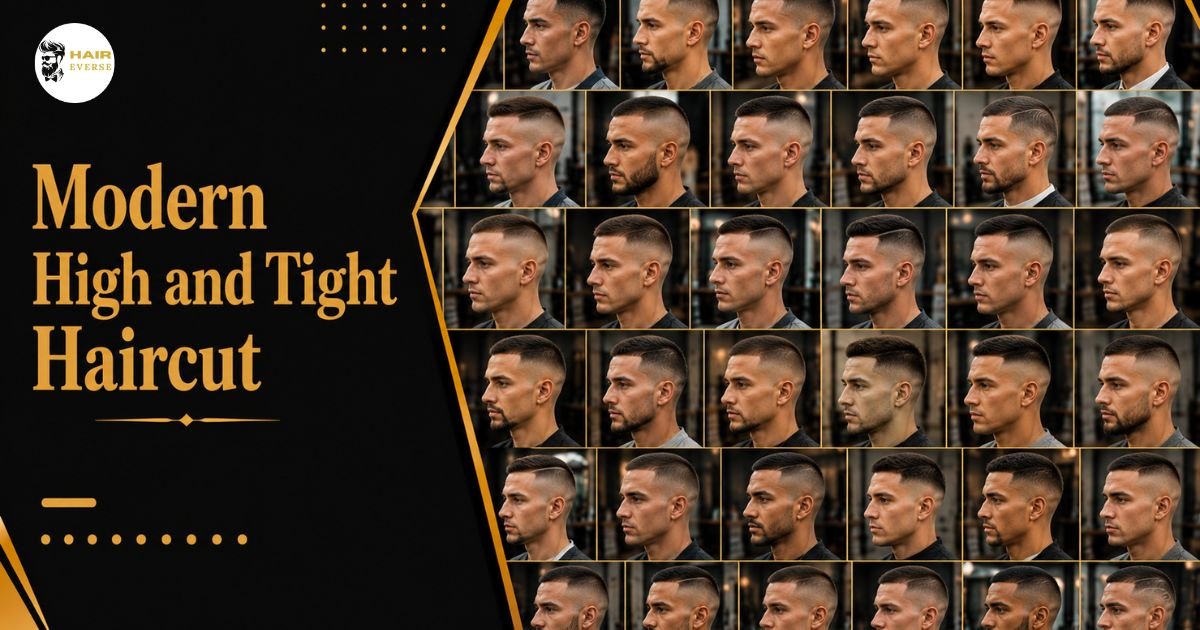
Modern High and Tight Haircut: Sharp Styles for Every Guy
The modern high and tight haircut takes the classic military cut and gives it a update with short, skin-faded sides and back paired with slightly more length on top for texture and styling flexibility. It’s become a go-to for guys who want a low-maintenance style that still looks sharp, since it holds its shape well between trims without needing daily upkeep.
But “high and tight haircut” isn’t a single look; small changes in fade height, top length, and texture create very different results depending on your hair type and face shape. This guide walks through 35 modern variations, from the strict original to textured, curly, and kid-friendly takes, so you can pick the right version before your next barber visit.
Comparison Table For Modern High and Tight Haircut
Here are Full explained table with hair style, shape, maintenance and approximately styling time.
| Hairstyle | Best Hair Type | Face Shape | Maintenance | Styling Time |
| Classic Military High and Tight Haircut | Straight, wavy | Oval, square | Low | 23 min |
| High and Tight Buzz Cut | All types | Oval, diamond, square | Low | Under 2 min |
| High and Tight Skin Fade | Straight, wavy, thick | Square, oval | Lowmedium | 5 min |
| High and Tight Taper Fade | All types | Round, oval | Low | 5 min |
| Short High and Tight Haircut | All types | Square, diamond | Low | 23 min |
| Long High and Tight Haircut | Straight, wavy, thick | Oval, heart | Medium | 810 min |
| MidLength High and Tight Haircut | Straight, wavy | Oval, round | Medium | 710 min |
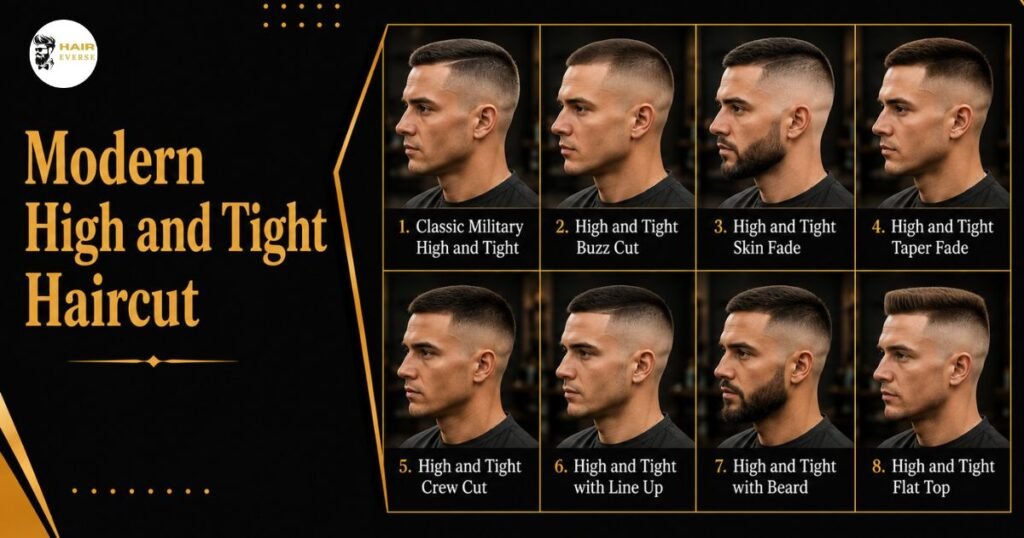
| High and Tight Crew Cut | All types | Oval, square | Low | 5 min |
| High and Tight Flat Top | Straight, thick | Square, round | Medium | 810 min |
| High and Tight Undercut | Straight, wavy, thick | Oval, heart | Medium | 810 min |
| High and Tight with Line Up | All types | Square, oval | Medium | 57 min |
| High and Tight Hard Part | Straight, wavy | Oval, square | Medium | 810 min |
| High and Tight Side Part | Straight, wavy | Oval, rectangle | Medium | 68 min |
| Textured High and Tight Haircut | Thick, wavy | Round, oval | Medium | 68 min |
| High and Tight with Beard | All types | Square, oval | Medium | 57 min |
| High and Tight with ShapeUp | Thick, curly, afro | Square, oval | Medium | 5 min |
| Afro High and Tight Haircut | Curly, coily | Round, oval | Medium | 58 min |
| Curly High and Tight Haircut | Curly | Oval, square | Medium | 68 min |
| High and Tight Mohawk | All types | Oval, long | High | 1012 min |
| HighTop Fade High and Tight Haircut | Curly, coily | Oval, round | High | 1215 min |
| High and Tight Comb Over | Straight, wavy | Oval, square | Medium | 68 min |
| High and Tight Pompadour | Straight, wavy, thick | Oval, square | High | 1012 min |
| High and Tight Quiff | Straight, wavy | Oval, round | Medium | 68 min |
| Low and Tight | All types | Round, oval | Low | 23 min |
| Disconnected High and Tight Haircut | Straight, wavy, thick | Square, oval | Medium | 6 min |
| High and Tight 360 Waves | Curly, coily | Oval, round | Medium | 57 min |
| High and Tight Fringe | Straight, wavy | Oval, square | Medium | 57 min |
| High and Tight with Hair Design | All types | Square, oval | Medium | 5 min |
| Boys High and Tight | All types | All shapes | Low | 23 min |
| High and Tight Slick Back | Straight, wavy | Oval, square | Medium | 79 min |
| High and Tight Mid Fade | All types | Oval, round | Lowmedium | 5 min |
| High and Tight Low Fade | All types | Round, oval | Low | 45 min |
| Spiky High and Tight | Straight, wavy | Oval, square | Medium | 810 min |
| High and Tight for Thinning Hair | Fine, thinning | Oval, round | Low | 34 min |
| High and Tight for Fine/Straight Hair | Fine, straight | Oval, square | Low | 45 min |
Classic Military High and Tight Haircut
Overview: This is the original high and tight clippers buzz the sides and back down close, often to the skin, while a small patch of slightly longer hair stays on top. There’s little to no blend between the two lengths.
Why It Works: Straight and wavy hair holds this shape cleanly, and the sharp lines suit square and oval face shapes best by adding definition without extra bulk.
Styling Tip: Run a small amount of matte clay through damp top hair and press it flat with your palm for a natural, unstyled finish.
Maintenance: Book a trim every two to three weeks since the short sides grow out fastest. Maintenance and styling times are estimates and may vary by hair type.
High and Tight Buzz Cut
Overview: The simplest version of the cut uses one clipper guard across the entire head, with only a fraction more length left on top no fade, no part, no fuss.
Why It Works: Because there’s so little hair to manage, this works for every hair type and especially flatters diamond and oval faces by keeping the focus on strong bone structure.
Styling Tip: You genuinely don’t need product here, but a dab of scalp moisturizer keeps the skin comfortable between cuts.
Maintenance: A quick clipper touchup every two weeks at home keeps this looking sharp between barber visits. Maintenance and styling times are estimates and may vary by hair type.
High and Tight Skin Fade
Overview: A skin fade smooths the jump between the short sides and longer top into a gradual, seamless blend that fades down to bare skin near the ear.
Why It Works: The gradual taper flatters square jawlines by softening hard angles, and it works particularly well on thick, straight hair that holds a clean fade line.
Styling Tip: Use a lightweight pomade on the top section to add shine and light hold without weighing the hair down.
Maintenance: Skin fades grow out visibly within two weeks, so plan on more frequent barber trips than a nonfaded version. Maintenance and styling times are estimates and may vary by hair type.
High and Tight Taper Fade
Overview: Instead of fading all the way to skin, a taper fade shortens gradually and stops at a very short length, giving a softer, less dramatic contrast than a skin fade.
Why It Works: This gentler transition suits round faces by adding subtle height without the stark lines a skin fade creates, and it works across nearly every hair texture.
Styling Tip: Apply a small amount of texturizing cream to the top and rough it up with your fingers for a relaxed, undone look.
Maintenance: The forgiving taper grows out more evenly than a skin fade, so trims every three to four weeks are usually enough. Maintenance and styling times are estimates and may vary by hair type.
Short High and Tight Haircut
Overview: This variation pushes the classic style even shorter, leaving only a whisper of length on top while the sides and back stay buzzed close to the skin.
Why It Works: The extreme shortness highlights natural bone structure, making it a strong pick for square and diamond faces that want maximum definition.
Styling Tip: A touch of scalp tonic between trims keeps the skin healthy since there’s minimal hair coverage to protect it.
Maintenance: Because there’s so little length to work with, regrowth is very noticeable plan for trims roughly every two weeks. Maintenance and styling times are estimates and may vary by hair type.
Long High and Tight Haircut
Overview: This take keeps the sharp, faded sides but leaves noticeably more length on top, giving enough hair to brush forward, sweep to one side, or leave loosely textured.
Why It Works: The added length balances oval and heartshaped faces by softening the top of the head, and it suits thick or wavy hair that has enough body to hold shape.
Styling Tip: Work a lightweight matte paste through towel-dried hair before brushing it into place for definition without stiffness.
Maintenance: The sides still need regular upkeep, but the longer top buys you more time between full haircuts. Maintenance and styling times are estimates and may vary by hair type.
MidLength High and Tighth Haircut
Overview: Sitting between the short classic version and the longer, styled variations, this length opens up options like a small pompadour or loose quiff while keeping the sides tight.
Why It Works: The versatility flatters oval and round faces since you can adjust height and direction to suit your proportions, and it performs well on straight or wavy hair.
Styling Tip: Blowdry the top with a round brush for lift, then set with a lighthold styling cream.
Maintenance: Expect a barber visit every three to four weeks to keep the length balanced against the tight sides. Maintenance and styling times are estimates and may vary by hair type.
High and Tight Crew Cut
Overview: This blend of two classic cuts keeps the top only slightly longer than the sides, forming a uniform, flattering shape that reads as polished rather than severe.
Why It Works: The subtle contrast suits oval and square faces without overwhelming them, and the even length works on nearly any hair type, from thick to fine.
Styling Tip: A small amount of matte paste adds texture, or skip product entirely for a natural, effortless finish.
Maintenance: Trims every three weeks keep the proportions consistent since the shorter contrast is less forgiving than longer styles. Maintenance and styling times are estimates and may vary by hair type.
High and Tight Flat Top
Overview: Leaning hardest into the style’s military roots, this version shapes the top into a level, squared surface using clippers over a flattop comb for a precise, architectural look.
Why It Works: The structured shape suits square and round faces by adding visual height, and it holds best on thick, straight hair that stands up on its own.
Styling Tip: A firm hold gel or pomade helps the top hair stand upright and keeps the flat shape crisp through the day.
Maintenance: This cut needs the most frequent touchups on this list every two weeks to keep the geometry sharp. Maintenance and styling times are estimates and may vary by hair type.
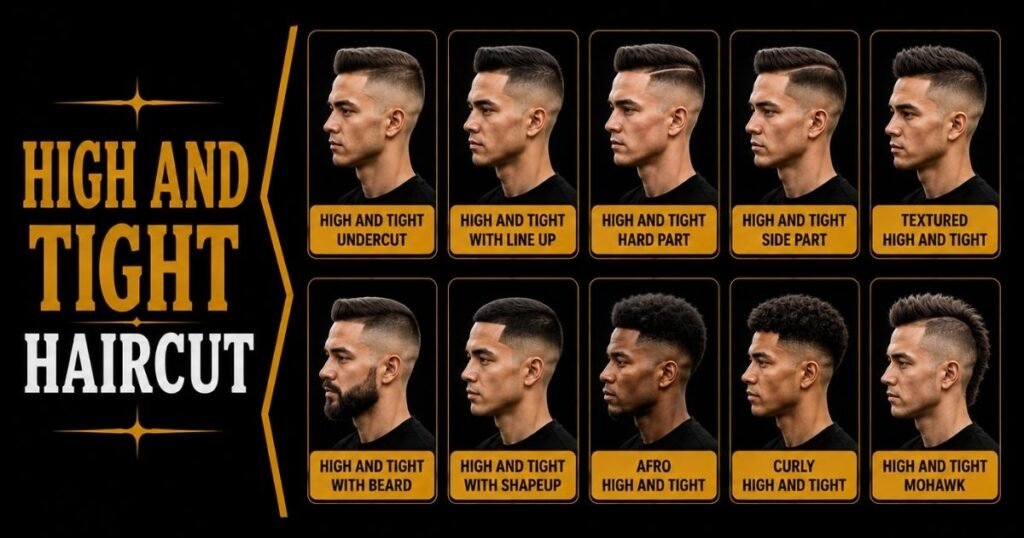
High and Tight Undercut
Overview: The undercut version creates an abrupt, disconnected jump between the closely clipped sides and a distinctly longer top, rather than blending the two lengths together.
Why It Works: The dramatic contrast flatters oval and heartshaped faces by drawing the eye upward, and it suits straight, wavy, or thick hair that holds a defined top shape.
Styling Tip: Apply a matte wax to damp hair and comb it straight back or to one side for a controlled, gritty finish.
Maintenance: Because the disconnect is intentional, slight regrowth on the sides is more forgiving here than on blended fades. Maintenance and styling times are estimates and may vary by hair type.
High and Tight with Line Up
Overview: Adding a lineup means your barber uses a straight razor or trimmer to carve a crisp, geometric edge along the hairline and temples for extra sharpness.
Why It Works: The defined edges suit square and oval faces by reinforcing strong, angular features, and this detail works well regardless of hair type.
Styling Tip: Lift the top with a lightweight styling cream so the sharp hairline stays the visual focal point.
Maintenance: The lineup grows out fastest of all, so weekly touchups at home or every ten days at the barber keep it looking fresh. Maintenance and styling times are estimates and may vary by hair type.
High and Tight Hard Part
Overview: A hard part is a thin line razored directly into the hair to create a permanent, defined parting rather than relying on a comb to fake one daily.
Why It Works: This detail suits oval and square faces looking for a polished, puttogether finish, and it works best on straight or wavy hair that holds a side part cleanly.
Styling Tip: Comb a medium shine pomade through the top section, following the direction of the razored part for a sleek finish.
Maintenance: The hard part needs to be rerazored at each trim, roughly every two to three weeks, or it will grow out and blur. Maintenance and styling times are estimates and may vary by hair type.
High and Tight Side Part
Overview: This classic combination keeps the sides tight while leaving enough length on top to comb into a traditional side part, without necessarily razoring in a hard line.
Why It Works: The side part elongates round faces and suits rectangular faces by adding width visually, working best on straight or wavy hair with natural fall.
Styling Tip: Comb a medium hold pomade through damp hair, directing it to one side and pressing flat with a fine tooth comb.
Maintenance: Keep the sides trimmed every three weeks so the contrast with the parted top stays sharp. Maintenance and styling times are estimates and may vary by hair type.
Textured High and Tight Haircut
Overview: Rather than lying flat, this version uses strategic layering on top to create light movement and dimension while keeping the sides faded and tight.
Why It Works: The added texture prevents thick, straight hair from looking flat, and the softer finish suits round and oval faces that want a more relaxed vibe.
Styling Tip: Work a matte paste through the hair and use your fingers to break up the layers for a natural, effortless texture.
Maintenance: The layered top needs trims every four weeks to keep the movement from growing shapeless. Maintenance and styling times are estimates and may vary by hair type.
High and Tight with Beard
Overview: Pairing a high and tight with a full or wellgroomed beard balances the short, sharp top with weight and structure around the jaw.
Why It Works: The beard adds visual mass that flatters square and oval faces, and it works with any hair type since the beard not the haircut carries most of the styling.
Styling Tip: Shape the beard’s edges with a straight razor to match the crisp lines of the haircut for a cohesive, polished look.
Maintenance: Keep both the haircut and beard trimmed on the same schedule, roughly every two to three weeks, so neither look outgrows the other. Maintenance and styling times are estimates and may vary by hair type.
High and Tight with ShapeUp
Overview: A shapeup uses precision trimming to straighten and sharpen the natural hairline, giving the whole cut a crisper outline than clippers alone provide.
Why It Works: This detail works especially well on thick or afrotextured hair, and it suits square and oval faces by reinforcing a clean, defined frame.
Styling Tip: Keep styling minimal a light moisturizing cream on top is enough since the shapeup itself does most of the visual work.
Maintenance: Shapeups need refreshing every one to two weeks to stay crisp, faster than most other maintenance on this list. Maintenance and styling times are estimates and may vary by hair type.
Afro High and Tight Haircut
Overview: This version keeps natural afro texture visible on top while fading or closely clipping the sides, letting the coil pattern stand out against a clean frame.
Why It Works: It celebrates coily hair’s natural volume rather than fighting it, and the contrast with tight sides flatters round and oval faces.
Styling Tip: Use a moisturizing curl cream daily to keep the top hydrated and defined, since coily hair dries out faster than other textures.
Maintenance: Moisture matters more than length here apply product daily and get the sides refreshed every two weeks. Maintenance and styling times are estimates and may vary by hair type.
Curly High and Tight Haircut
Overview: Curly hair on top is kept at a controlled, relatively short length so the natural curl pattern shows without becoming unruly, while the sides stay cropped tight.
Why It Works: The short sides draw attention upward to the curl texture, suiting oval and square faces, and it’s a great option for anyone with naturally tight curls who wants a groomed look.
Styling Tip: Scrunch a curl-defining gel into damp hair and let it air dry to avoid disrupting the curl pattern.
Maintenance: Curls need trims every four to five weeks since they hide length better than straight hair, but the sides still need attention every two weeks. Maintenance and styling times are estimates and may vary by hair type.
High and Tight Mohawk
Overview: This bold variation fades the sides down to skin while leaving a distinct strip of longer hair running front to back, styled upright for maximum contrast.
Why It Works: The height balances long or narrow faces well, and it works on any hair type strong enough to hold an upright shape with product.
Styling Tip: Blowdry the center strip while combing it upward, then lock it in place with a stronghold gel or wax.
Maintenance: This is one of the highest upkeep styles here daily styling and fade touchups every two weeks are both required. Maintenance and styling times are estimates and may vary by hair type.
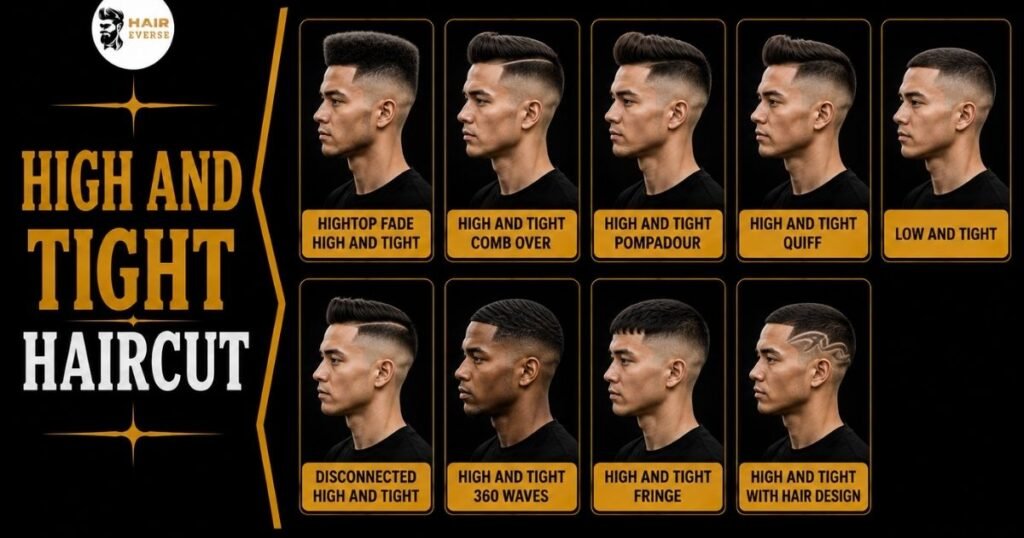
HighTop Fade High and Tight Haircut
Overview: A throwback to 1980s hiphop culture, this version builds significant height and volume on top using coily or curly hair, fading sharply into skin on the sides.
Why It Works: The added height flatters round and oval faces by elongating the silhouette, and it’s specifically built for curly or coily hair that can hold volume upright.
Styling Tip: Use a lightweight sponge or afro pick to lift the top before applying a lighthold curl cream to maintain shape without weighing it down.
Maintenance: Expect frequent fade touchups every two weeks alongside daily shaping to keep the height consistent. Maintenance and styling times are estimates and may vary by hair type.
High and Tight Comb Over
Overview: This look pairs a crisp, high contrast fade with a neatly swept over top, balancing structure with a touch of movement for a refined finish.
Why It Works: The swept top and tight sides flatter oval and square faces alike, and the style suits straight or wavy hair that holds a combover shape easily.
Styling Tip: Apply pomade or matte paste to damp hair and comb it in one direction before it dries to lock the sweep in place.
Maintenance: Get the fade refreshed every two to three weeks so the sharp contrast with the swept top doesn’t blur. Maintenance and styling times are estimates and may vary by hair type.
High and Tight Pompadour
Overview: This version leaves enough length on top to build height at the front, swept back into a classic pompadour shape, while the sides stay faded and tight.
Why It Works: The added height balances oval and square faces by drawing the eye upward, and it works best on straight or wavy hair with enough body to hold a lift.
Styling Tip: Blowdry the front section upward and back with a round brush, then set with a stronghold pomade for allday structure.
Maintenance: This style needs daily styling plus a barber visit every three weeks to maintain the length-to-fade ratio. Maintenance and styling times are estimates and may vary by hair type.
High and Tight Quiff
Overview: A softer cousin of the pompadour, the quiff keeps moderate length on top brushed upward and slightly back, without the dramatic height or hard structure.
Why It Works: The relaxed lift suits oval and round faces without overwhelming them, and it works well on straight or wavy hair that doesn’t need heavy product to hold shape.
Styling Tip: Towel dry hair, then work a lightweight styling cream through it while brushing upward with your fingers.
Maintenance: Trims every three to four weeks keep the quiff’s proportions balanced against the tight sides. Maintenance and styling times are estimates and may vary by hair type.
Low and Tight
Overview: This softer take on the classic cut uses a low fade instead of a high one, creating a more understated, versatile look that reads as professional rather than severe.
Why It Works: The gentler transition suits round and oval faces that want a subtler contrast, and it adapts well to any hair type.
Styling Tip: A scalp moisturizer keeps the closely clipped skin healthy, and minimal product is needed on top since the length stays short.
Maintenance: The low fade grows out more gradually than a high fade, so trims every three to four weeks are typically enough. Maintenance and styling times are estimates and may vary by hair type.
Disconnected High and Tight Haircut
Overview: Rather than a smooth fade, this version keeps a hard, visible break between the short sides and the longer top, creating a bold, graphic effect.
Why It Works: The clear separation flatters square and oval faces by emphasizing structure, and it works on straight, wavy, or thick hair that holds a defined top shape.
Styling Tip: Apply a matte clay to the top section and press it into place for a controlled, textured finish that keeps the disconnect visible.
Maintenance: Regrowth on the sides is more forgiving with a disconnected style since there’s no gradual blend to maintain. Maintenance and styling times are estimates and may vary by hair type.
High and Tight 360 Waves
Overview: This variation keeps the top short enough to brush into a defined wave pattern that radiates outward, while the sides stay faded and tight for contrast.
Why It Works: The wave pattern suits coily and curly hair specifically, and it flatters round and oval faces by adding subtle texture without added height.
Styling Tip: Brush the top in a consistent direction daily using a wave brush, then lock the pattern with a lightweight pomade or wave cream.
Maintenance: Waves require daily brushing to train the pattern, plus fade touchups every two weeks to keep the sides sharp. Maintenance and styling times are estimates and may vary by hair type.
High and Tight Fringe
Overview: This modern spin leaves enough length at the front to create a short, textured fringe that falls forward, while the back and sides stay tightly cropped.
Why It Works: The fringe softens square and oval faces by adding movement at the forehead, and it suits straight or wavy hair with enough texture to hold forward.
Styling Tip: Apply a matte paste to damp hair and press the fringe forward and slightly downward for a natural, undone look.
Maintenance: Trims every three to four weeks keep the fringe length in proportion with the short sides. Maintenance and styling times are estimates and may vary by hair type.
High and Tight with Hair Design
Overview: This version adds one or more shaved lines or a small geometric pattern into the short sides, giving the classic cut a personalized, modern edge.
Why It Works: The design detail works on any face shape since it’s a decorative accent rather than a structural change, and it suits any hair type as long as the sides are kept short.
Styling Tip: Keep the top simple with a light matte cream so the shaved design stays the visual focal point.
Maintenance: Designs need refreshing every one to two weeks since regrowth blurs the sharp lines faster than a plain fade. Maintenance and styling times are estimates and may vary by hair type.
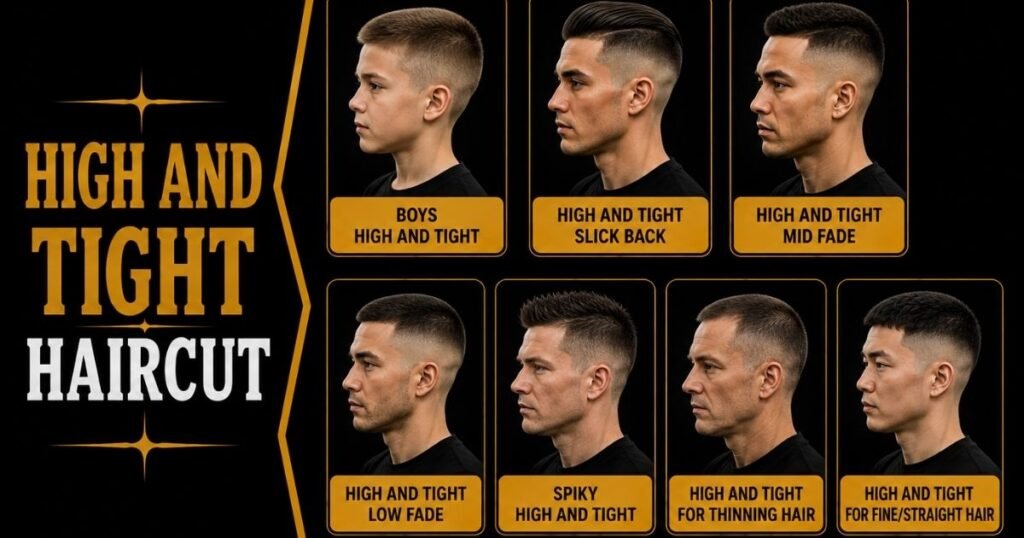
Boys High and Tight Haircut
Overview: A kidfriendly version of the classic cut, this keeps the sides short and simple with minimal fading, leaving just enough length on top for easy, productfree styling.
Why It Works: The lowfuss shape suits active kids of any face shape and hair type, since it holds up well through sports, swimming, and school days without daily upkeep.
Styling Tip: A light water based styling cream is enough for special occasions; everyday wear needs no product at all.
Maintenance: Growing kids typically need a trim every three to four weeks to keep the cut neat as hair grows quickly at this age. Maintenance and styling times are estimates and may vary by hair type.
High and Tight Slick Back
Overview: This variation leaves enough length on top to comb straight back into a sleek, controlled shape, contrasting with tightly faded sides for a polished, formal look.
Why It Works: The smooth, backswept silhouette flatters oval and square faces, and it performs best on straight or wavy hair that holds direction without frizzing.
Styling Tip: Apply a high shine pomade to damp hair and comb it straight back in one motion for a clean, glossy finish.
Maintenance: Keep the sides fresh every two to three weeks so the fade stays crisp beneath the slicked top. Maintenance and styling times are estimates and may vary by hair type.
High and Tight Mid Fade
Overview: The fade here starts around the middle of the head rather than up near the temple, offering a gentler transition between the short sides and the longer top.
Why It Works: The moderate fade height suits oval and round faces by lengthening the face slightly, and it works well across most hair types.
Styling Tip: A small amount of matte paste on top adds texture without disrupting the clean lines of the fade.
Maintenance: Mid fades grow out a bit more gracefully than high fades, so trims every three weeks usually keep it looking sharp. Maintenance and styling times are estimates and may vary by hair type.
High and Tight Low Fade
Overview: Starting the fade low, near the ear, keeps more length on the sides overall for a subtler, more conservative version of the high and tight.
Why It Works: This understated contrast suits round and oval faces, and its versatility across hair types makes it a safe, professional-friendly option.
Styling Tip: Use a scalp tonic to keep skin healthy near the fade line, and a light cream on top for a natural finish.
Maintenance: The low fade holds its shape longer between visits, often stretching to four weeks before it needs a refresh. Maintenance and styling times are estimates and may vary by hair type.
Spiky High and Tight Haircut
Overview: This version keeps the top long enough to work into defined, textured spikes using the product, while the sides remain tightly faded for contrast.
Why It Works: The upward texture adds interest to oval and square faces without changing their proportions, and it suits straight or wavy hair with enough length to grip the product.
Styling Tip: Apply a stronghold wax to dry hair and pull small sections upward with your fingers to build defined spikes.
Maintenance: Trims every three to four weeks keep the top length workable for spiking without becoming too heavy. Maintenance and styling times are estimates and may vary by hair type.
High and Tight for Thinning Hair
Overview: This adapted version keeps the top slightly shorter than usual and relies on a low or mid fade to minimize the visual contrast between thinning areas and the sides.
Why It Works: Shorter length on top reduces the appearance of thinning, and it suits oval and round faces by keeping proportions balanced without drawing attention to the crown.
Styling Tip: A texturizing powder at the roots adds the appearance of volume without weighing thin hair down.
Maintenance: Regular trims every three weeks keep the shorter top from looking patchy as it grows unevenly. Maintenance and styling times are estimates and may vary by hair type.
High and Tight for Fine/Straight Hair
Overview: Fine, straight hair holds the classic high and tight shape especially well since there’s no natural volume fighting the clean lines of the cut.
Why It Works: The tight sides create the illusion of extra density on top, flattering oval and square faces without added bulk or product buildup.
Styling Tip: Use a lightweight volumizing spray at the root before a quick blowdry to add subtle lift without heaviness.
Maintenance: Fine hair shows regrowth quickly at the hairline, so trims every two to three weeks keep the cut looking crisp. Maintenance and styling times are estimates and may vary by hair type.
How To Choose The Right Hairstyle
Picking the right version of a high and tight comes down to two things: your hair type and your face shape.
By Hair Type:
- Thick hair: Handles flat tops, textured tops, and pompadours well since it holds volume and shape.
- Thin hair: Stick to shorter, low-maintenance versions like the classic military cut or crew cut, where a lack of natural volume isn’t as noticeable.
- Curly hair: The curly high and tight, afro high and tight, or hightop fade let natural texture shine instead of fighting it.
- Straight hair: Side parts, hard parts, and combovers all hold their shape cleanly on straight hair.
- Wavy hair: Textured or quiff variations add movement that complements natural wave patterns.
By Face Shape:
- Oval: Nearly every variation on this list works well you have the most freedom to choose based on lifestyle instead of proportions.
- Round: Choose styles with added height, like a pompadour or mohawk, to visually lengthen the face.
- Square: Sharp, angular versions like the lineup or shapeup reinforce your strong jawline.
- Long/Rectangular: Avoid extra height on top; a low and tight or classic crew cut keeps proportions balanced.
- Heart: Styles with volume on top, like the undercut or long high and tight, balance a narrower chin.
How To Ask Your Barber For This Style
Walking in with the right words makes all the difference between getting exactly what you want and leaving disappointed. Use these tips:
- Bring a reference photo of the specific variation you want, even if it’s from this article
- Specify the exact guard length or fade height you want on the sides (skin fade, low, mid, or high)
- Explain how much length you want left on top, in fingerwidths or inches if possible
- Mention your daily styling routine so your barber can cut a shape that works with your habits
- Ask directly about maintenance expectations, including how often you’ll need to come back
- Confirm the final shape and fade height before the clippers start, not after
What’s the Difference Between a High and Tight and a Crew Cut?
A crew cut keeps a gentler, more gradual transition between the shorter sides and the longer top, usually without a hard fade. A high and tight pushes that contrast further, often with a skin fade or a disconnected jump between lengths, and it typically sits shorter overall. Think of the high and tight as the crew cut’s more extreme, military-inspired sibling.
How Often Should You Get a High and Tight Trimmed?
Most high and tight variations need a trim every two to four weeks, depending on how faded or disconnected the style is. Skin fades, shapeups, and hair designs grow out fastest and often need attention every one to two weeks, while low fades and longer top variations can stretch closer to four weeks between visits.
Product Recommendations
Hair Cream
- Best For: Adding light hold and natural shine to slightly longer tops without stiffness.
- How To Use: Warm a small amount between your palms and work through damp hair before styling.
Pomade
- Best For: Side parts, combovers, and slick backs that need shine and control.
- How To Use: Apply to damp or dry hair and comb through in the direction of your intended style.
Wax
- Best For: Spiky or textured tops that need strong, matte hold.
- How To Use: Rub between fingertips to soften, then work through dry hair section by section.
Clay
- Best For: Classic and textured high and tight styles needing a matte, natural finish.
- How To Use: Apply a pea sized amount to damp hair and press or scrunch into place.
Shampoo
- Best For: Keeping short, closely clipped hair and exposed scalp clean and free of product buildup.
- How To Use: Lather two to three times weekly, focusing on the scalp rather than just the hair.
Conditioner
- Best For: Longer top variations and curly or coily textures that need extra moisture.
- How To Use: Apply after shampooing and leave in for one to two minutes before rinsing.
Final Thoughts
However you choose to wear it, the high and tight rewards confidence more than complexity. Whether you go with the strict military original, a softer low and tight, or a textured version built for curly hair, the cut works because it’s honest sharp lines, clean edges, and almost no time spent in front of a mirror each morning.
Don’t be afraid to experiment across a few of these 35 variations before settling on your goto. Bring your barber a photo, ask about the maintenance schedule up front, and let the cut do the work your styling routine used to. Book your next appointment with a description in hand, and walk out with a haircut that actually matches what you asked for.
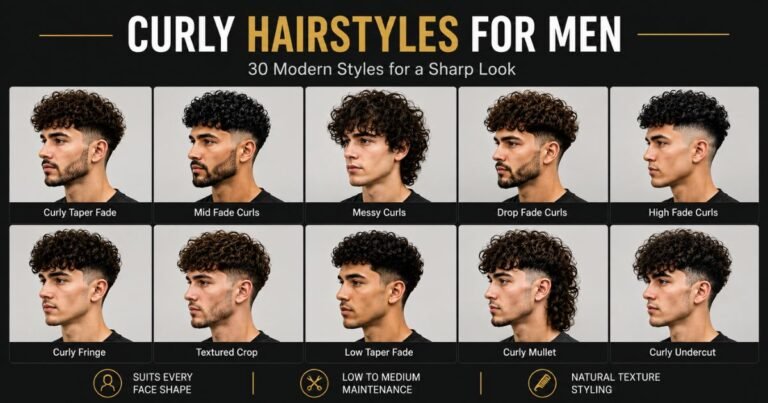
Modern Styles for a Sharp Look
The Ivy League haircut is a timeless style built around short, tapered sides with noticeably more length left on top, giving you enough hair to sweep, part, or style while keeping a neat, polished silhouette.
Long favored for its balance of professionalism and versatility, the Ivy League haircut has evolved well beyond its preppy campus roots today’s versions incorporate modern fades, textured tops, and looser, tousled finishes for a fresher take on the classic.
This guide rounds up 30 modern variations, so whether you want a sharp, boardroom-ready look or something more relaxed for everyday wear, you’ll find the right version to bring to your barber.
FAQs
What is a high and tight haircut?
A high and tight is a short men’s haircut with very short, often skinfaded sides and back, paired with a small amount of longer hair left on top. It originated as a military style and has since become a popular, low-maintenance civilian cut.
How short is high and tight on the sides?
The sides are typically clippered down to a very short guard length or all the way to skin, depending on the fade style chosen. Traditional versions go shorter than modern, softer variations like the low and tight.
What face shape suits a high and tight haircut?
Oval, square, and diamond face shapes generally suit a high and tight best because the short sides emphasize strong bone structure. Round and heartshaped faces can still wear it by choosing a version with more length on top.
How do you ask your barber for a high and tight?
Bring a reference photo, specify your preferred fade height and guard length, and describe how much length you want left on top. Mentioning your daily styling habits helps your barber tailor the cut to fit your routine.
What products work best for a high and tight haircut?
Matte clay, pomade, and lightweight wax all work well depending on the variation, since most high and tight styles favor a natural, nongreasy finish. Shorter versions often need no product at all.