How to Find a Good Barber: The Complete Guide
Finding a good barber starts with recommendations from friends, checking recent Google reviews, and browsing a barbershop’s Instagram portfolio. During your first visit, choose a barber who asks detailed questions, explains the haircut as they work, and maintains clean tools.
Starting with a simple trim before making a major style change is also a smart approach. A skilled barber understands your hair type, face shape, and personal preferences, making every visit easier and more consistent. This guide covers 35 essential tips to help how to find a good barber?
Barber-Finding Factor Comparison Table
The comparison table below highlights the most important factors to consider when choosing a barber. Compare each factor by category, priority, and the best time to evaluate it.
| Factor | Category | Signal Type | Priority | When to Assess |
| Ask Friends and Family | Pre-Search | Action Step | High | Before booking |
| Check Local “Best Of” Lists | Pre-Search | Action Step | Medium | Before booking |
| Search Google Maps Reviews | Pre-Search | Action Step | High | Before booking |
| Browse Barbershop Instagram | Pre-Search | Action Step | Medium | Before booking |
| Check Barber Booking Apps | Pre-Search | Action Step | Medium | Before booking |
| Search “Men’s Grooming” Terms | Pre-Search | Action Step | Low | Before booking |
| Shop Cleanliness and Tool Sanitation | Shop Evaluation | Green/Red Flag | High | First visit |
| Organization of the Workstation | Shop Evaluation | Green/Red Flag | Medium | First visit |
| Overall Ambiance and Vibe | Shop Evaluation | Neutral Factor | Medium | First visit |
| Price Transparency | Shop Evaluation | Green/Red Flag | Medium | Before booking |
| Range of Grooming Services | Shop Evaluation | Neutral Factor | Low | Before booking |
| Walk-In vs. Appointment Policy | Shop Evaluation | Neutral Factor | Low | Before booking |
| Location and Accessibility | Shop Evaluation | Neutral Factor | Medium | Before booking |
| Confidence and Eye Contact | Barber Evaluation | Green/Red Flag | High | During consultation |
| The Barber’s Own Grooming Standard | Barber Evaluation | Green Flag | Medium | During consultation |
| Portfolio and Past Work | Barber Evaluation | Green Flag | High | Before booking |
| Years of Experience | Barber Evaluation | Neutral Factor | Medium | During consultation |
| Specialization in Your Hair Type | Barber Evaluation | Green Flag | High | During consultation |
| Quality of Questions Asked | Barber Evaluation | Green/Red Flag | High | During consultation |
| Feedback During the Cut | Barber Evaluation | Green/Red Flag | High | During the cut |
| How Busy the Barber’s Book Is | Barber Evaluation | Green Flag | Medium | Before booking |
| Only Asking for a Clipper Number | Red Flag | Red Flag | High | During consultation |
| Unsanitary or Disorganized Tools | Red Flag | Red Flag | High | First visit |
| Avoiding Eye Contact or Rushed Consultations | Red Flag | Red Flag | Medium | During consultation |
| No Questions About Face Shape or Lifestyle | Red Flag | Red Flag | Medium | During consultation |
| Frequent Shop-Hopping or Unreliable Scheduling | Red Flag | Red Flag | Medium | Ongoing |
| A Loyal, Returning Client Base | Green Flag | Green Flag | Medium | First visit |
| Consistent Results Across Multiple Visits | Green Flag | Green Flag | High | Ongoing |
| Willingness to Push Back on a Bad Request | Green Flag | Green Flag | High | During consultation |
| Clear Communication About Maintenance | Green Flag | Green Flag | Medium | During the cut |
| A Comfortable, Community Feel | Green Flag | Green Flag | Low | Ongoing |
| Start With a Simple Trim | Trial Process | Action Step | High | First visit |
| Conduct a Mini Interview | Trial Process | Action Step | Medium | During consultation |
| Evaluate the First Cut Critically | Trial Process | Action Step | High | After the cut |
| Know When to Switch Barbers | Trial Process | Action Step | Medium | Ongoing |
How to Find a Good Barber?-Before You Search
Before you book an appointment. Researching recommendations, reviews, and portfolios helps you narrow down the best options on how to find a good barber.
Ask Friends and Family for Recommendations
Overview: Personal referrals remain the single most reliable way to find a good barber, since you can see the actual results on someone whose opinion you trust.
Why It Matters: A friend’s recommendation comes with a built-in track record you already know how their hair usually looks, which tells you a lot about the barber’s consistency.

What to Do: Ask specifically about guys whose haircuts you already admire, not just anyone who mentions a barbershop in passing.
Follow-Up Tip: Ask how long they’ve been going to that barber, since a multi-year relationship says more than a single good haircut. Every barbershop is different, and these signals are general guidance rather than guarantees.
Check Local “Best Of” Lists and Local Media
Overview: Local magazines, city guides, and news outlets often publish “best barbershop” roundups that can surface reputable options you wouldn’t find through casual searching.
Why It Matters: These lists are usually compiled through some combination of reader votes and editorial research, giving you a second data point beyond personal referrals.
What to Do: If you’re wondering how to find good barbers near me, search “[your city] best barbershop” alongside your local newspaper or magazine’s name to find recent roundups.
Follow-Up Tip: Cross-reference any list against recent reviews, since “best of” lists can lag behind a shop’s current quality. Every barbershop is different, and these signals are general guidance rather than guarantees.
Search Google Maps Reviews
Overview: Google Maps reviews give you a large, relatively unfiltered sample of real client experiences, both good and bad.
Why It Matters: How to find a good barber shop start by reading the most recent reviews specifically, rather than the overall star rating, tells you about current quality instead of a shop’s reputation from years ago.
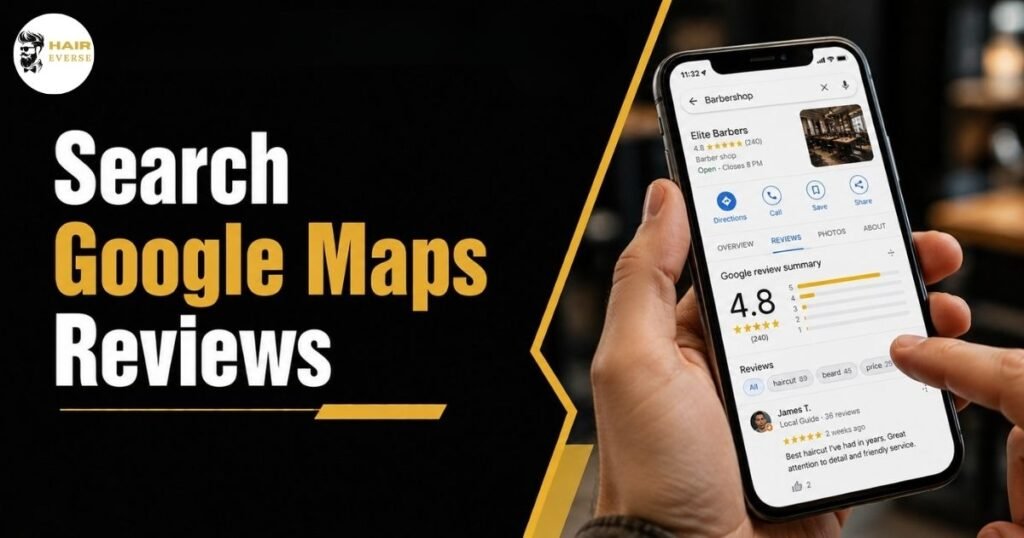
What to Do: Sort reviews by “most recent” and read the last 15 to 20 before booking, paying attention to any patterns in complaints.
Follow-Up Tip: Look specifically for reviews that mention consistency across multiple visits, not just a single great haircut. Every barbershop is different, and these signals are general guidance rather than guarantees.
Browse Barbershop Instagram and Social Media
Overview: A barbershop’s Instagram or social media feed shows you actual work samples, giving you a preview of the styles and skill level you can expect.
Why It Matters: A shop actively posting recent, varied work suggests an engaged team that takes pride in the craft, though a polished feed alone doesn’t guarantee technique matches the photos.
What to Do: How to choose a new barber starts by looking specifically for photos of styles similar to your hair type and desired look, not just the shop’s most dramatic transformations.
Follow-Up Tip: Check the comments section for client feedback, which often reveals more than the curated posts themselves. Every barbershop is different, and these signals are general guidance rather than guarantees.
Check Barber Booking Apps
Overview: How to find a good barber near you solves by apps like Booksy, Fresha, and StyleSeat let you browse individual barber profiles, view their availability, and often see client ratings tied to a specific person rather than the whole shop.
Why It Matters: Booking by individual barber, rather than just a shop, matters since skill level can vary significantly between different barbers at the same location.
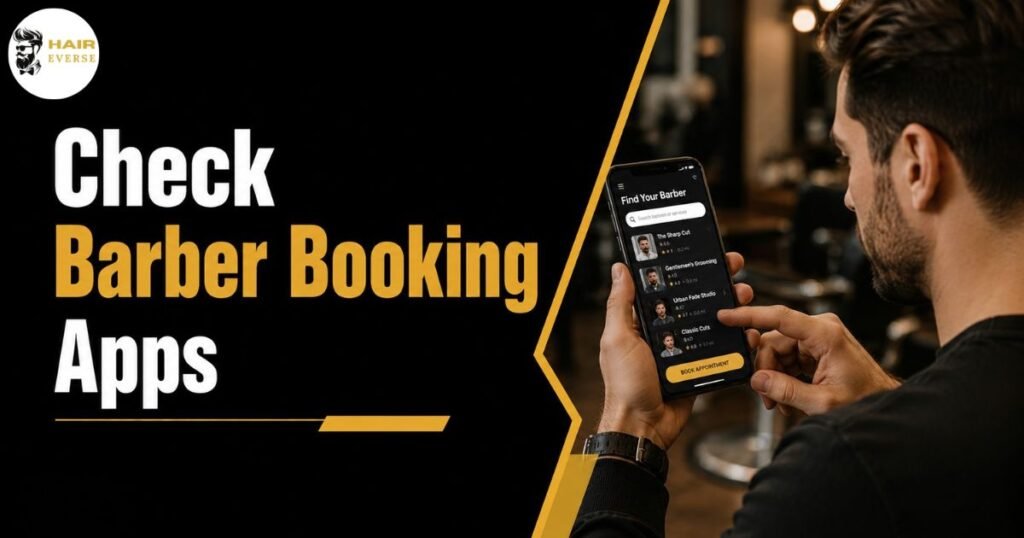
What to Do: Filter by service type and read barber-specific reviews rather than shop-wide ratings when using these apps.
Follow-Up Tip: Note how far in advance a specific barber is typically booked a consistently full calendar is often a good sign. Every barbershop is different, and these signals are general guidance rather than guarantees.
Search “Men’s Grooming” Instead of Generic Salon Terms
Overview: Searching specific terms like “men’s grooming” or “barbershop” or “good barber shop near me for men” instead of “hair salon” tends to surface shops that specialize in men’s cuts, fades, and beard work.
Why It Matters: Barbers and general salon stylists often train differently, and a shop that specifically markets to men’s grooming usually has more experience with fades and texture common in men’s hair.
What to Do: Add your neighborhood or city name to searches like “men’s grooming near me” or “barbershop [city]” for more targeted results.
Follow-Up Tip: Compare a few search terms side by side, since results can vary meaningfully depending on the specific phrasing used. Every barbershop is different, and these signals are general guidance rather than guarantees.
Evaluating the Shop Itself
A professional barbershop should be clean, organized, and transparent about its services. Paying attention to the shop environment can help you avoid a poor experience.
Shop Cleanliness and Tool Sanitation
Overview: A clean shop with properly sanitized clippers, combs, and razors is a baseline requirement, not a bonus feature. Good barber shops near me offer quality haircuts, skilled barbers, and reliable service.
Why It Matters: Tool sanitation directly affects your health and safety, and it’s also one of the clearest signals of how seriously a shop takes professionalism overall.
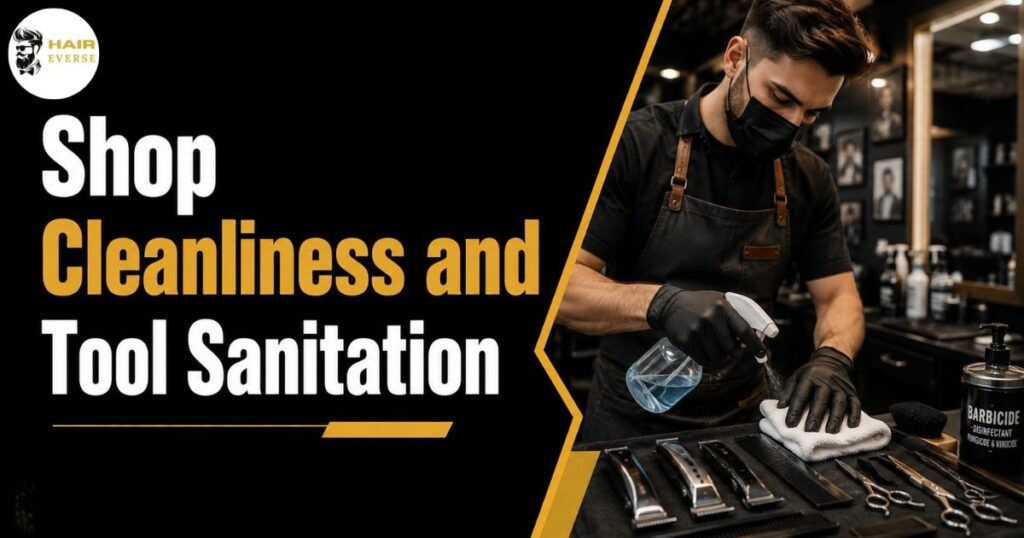
What to Do: Look for visible sanitizing jars or UV sterilizers at each station, and don’t hesitate to ask about their sanitation process if you don’t see one.
Follow-Up Tip: If a shop looks disorganized with hair piled up and tools scattered, treat that as a signal to look elsewhere. Every barbershop is different, and these signals are general guidance rather than guarantees.
Organization of the Workstation
Overview: How a barber keeps their individual station tools within reach, surfaces wiped down, products neatly arranged often reflects their overall attention to detail.
Why It Matters: A barber who maintains an organized station tends to bring that same care to the precision of an actual haircut.
What to Do: Glance at the station before you sit down; a chaotic setup with tools scattered everywhere is worth noting.
Follow-Up Tip: Don’t judge on a single busy moment alone check if the disorganization is a pattern across multiple visits or just an unusually hectic day. Every barbershop is different, and these signals are general guidance rather than guarantees.
Overall Ambiance and Vibe
Overview: The music, conversation, and general atmosphere of a barbershop shape whether it feels like a place you’ll actually look forward to visiting.
Why It Matters: A barbershop you enjoy spending time in makes you more likely to keep the regular appointments that build a strong long-term relationship with your barber.
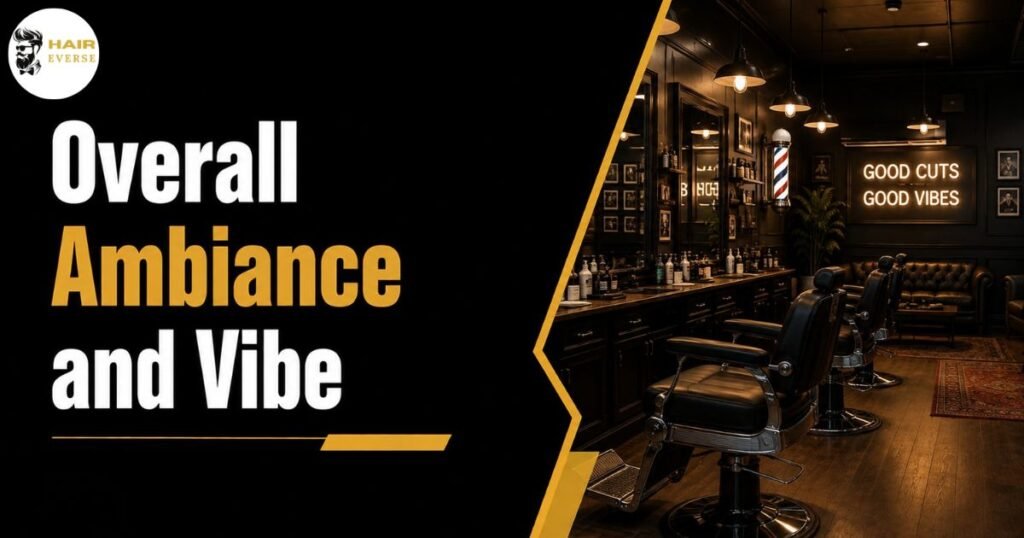
What to Do: Pay attention to how staff interact with each other and with waiting clients genuine camaraderie is hard to fake.
Follow-Up Tip: Vibe is subjective, so weigh it alongside technical factors rather than as a standalone dealbreaker. Every barbershop is different, and these signals are general guidance rather than guarantees.
Price Transparency
Overview: A trustworthy shop lists its prices clearly, either online, on a physical menu board, or both, without hidden add-on surprises at checkout.
Why It Matters: Clear pricing signals professionalism and respect for your time, while vague or hidden pricing can indicate a less established operation.
What to Do: Check the shop’s website or social media for a published price list before booking, and call ahead if you can’t find one.
Follow-Up Tip: Don’t hesitate to ask directly about pricing for add-ons like beard trims or hot towel shaves before the appointment starts. Every barbershop is different, and these signals are general guidance rather than guarantees.
Range of Grooming Services
Overview: Many modern barbershops offer more than haircuts, including beard trims, hot towel shaves, and eyebrow grooming.
Why It Matters: A wider service range isn’t necessary for everyone, but it’s convenient if you want a one-stop grooming routine rather than visiting multiple businesses.
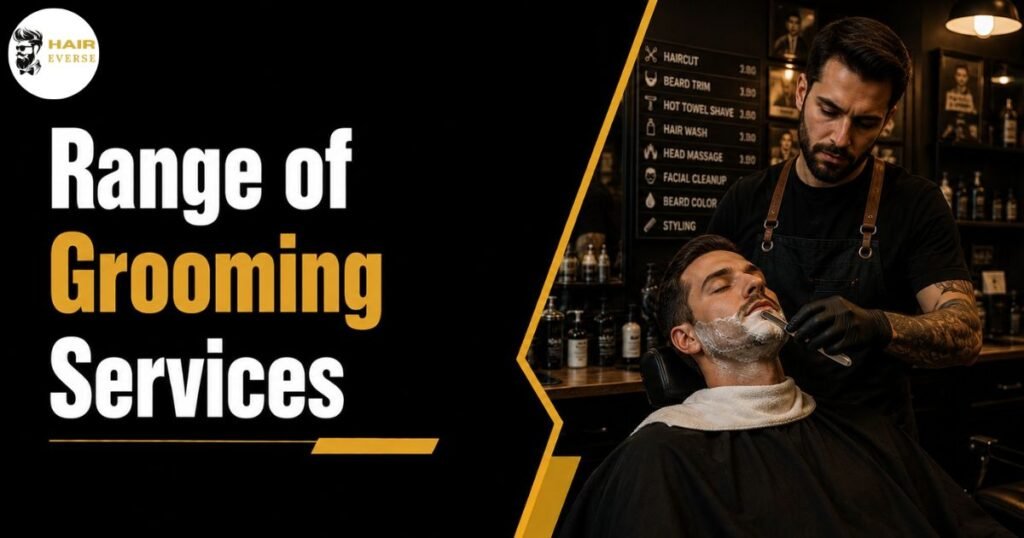
What to Do: Check the shop’s service menu to see if it covers everything you’re interested in, now or down the line.
Follow-Up Tip: A shop specializing narrowly in haircuts isn’t a red flag by itself, some of the best barbers focus on doing one thing exceptionally well. Every barbershop is different, and these signals are general guidance rather than guarantees.
Walk-In vs. Appointment Policy
Overview: Some shops operate purely on walk-ins, others require appointments, and many offer both depending on the barber and time of day.
Why It Matters: This matters mostly for your own scheduling convenience rather than as a quality signal on its own.
What to Do: Check the shop’s website or call ahead to understand their system before showing up, especially during busy weekend hours.
Follow-Up Tip: A fully booked appointment calendar for a specific barber can actually be a positive sign of demand. Every barbershop is different, and these signals are general guidance rather than guarantees.
Location and Accessibility
Overview: A barbershop close to home, work, or the gym is realistically easier to visit regularly than one requiring a long commute.
Why It Matters: Building a consistent relationship with a barber depends on actually showing up regularly, which is harder if the location adds friction to your routine.
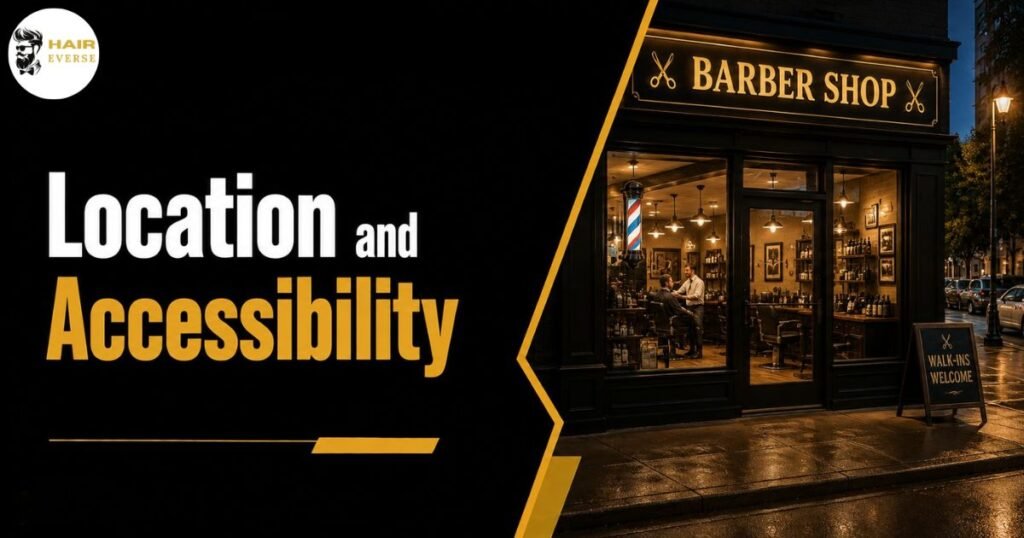
What to Do: Shortlist shops within a reasonable distance from your regular routes before diving deeper into other evaluation factors.
Follow-Up Tip: If the best-reviewed barber in your area is a bit further away, weigh that extra travel time against the quality difference before ruling them out. Every barbershop is different, and these signals are general guidance rather than guarantees.
Evaluating the Barber Directly
The barber’s skills, communication, and experience play the biggest role in your haircut. Look for someone who understands your hair type and listens to your preferences.
Confidence and Eye Contact
Overview: A confident barber makes eye contact, greets you directly, and speaks clearly about your hair and what they plan to do.
Why It Matters: Confidence built on real skill tends to show up in small interpersonal cues before the clippers ever touch your head.
What to Do: Notice how the barber greets you and whether they engage directly rather than seeming distracted or disinterested.
Follow-Up Tip: A barber who avoids eye contact or seems unsure when describing their plan for your hair is worth a second look before committing. Every barbershop is different, and these signals are general guidance rather than guarantees.
The Barber’s Own Grooming Standard
Overview: How a barber presents themselves their own haircut, facial hair, and overall appearance often reflects the standard they hold for their client work.
Why It Matters: A barber who takes their own grooming seriously tends to bring that same attention to detail to the chair.
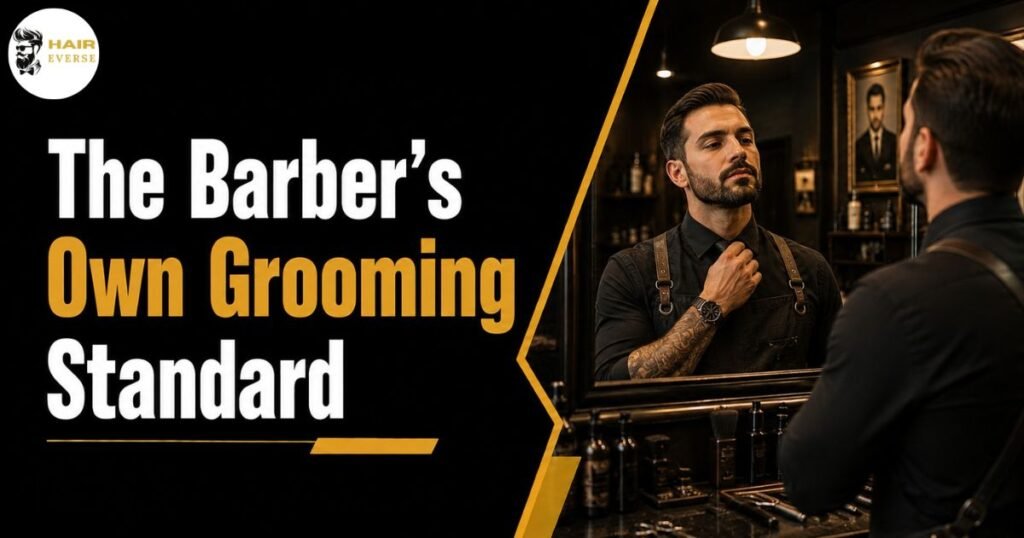
What to Do: Take a quick, respectful glance at the barber’s own cut and grooming before your appointment begins.
Follow-Up Tip: This is a helpful data point, not a strict rule some excellent barbers have simple personal styles by choice. Every barbershop is different, and these signals are general guidance rather than guarantees.
Portfolio and Past Work
Overview: A barber with a visible portfolio, whether on Instagram or in a physical photo book, shows you real examples of their range and skill level.
Why It Matters: Seeing actual client results, especially on hair types similar to yours, tells you more than a shop’s general reputation.
What to Do: Ask to see photos of recent work, specifically styles similar to the one you’re considering.
Follow-Up Tip: Pay attention to the same barber’s work across multiple different clients, not just their single best photo. Every barbershop is different, and these signals are general guidance rather than guarantees.
Years of Experience
Overview: Asking how long a barber has been cutting hair, and where they trained or previously worked, gives you a sense of their background.
Why It Matters: More experience generally correlates with more refined technique, though newer barbers with strong training can also be excellent.

What to Do: Ask directly, “How long have you been cutting hair, and where did you train?” as a natural part of your first conversation.
Follow-Up Tip: If a barber seems newer, consider starting with a simpler cut before trusting them with a more complex style. Every barbershop is different, and these signals are general guidance rather than guarantees.
Specialization in Your Hair Type
Overview: Some barbers specialize in specific hair textures, like curly or coily hair, fades, or longer styles, while others have broader but shallower experience.
Why It Matters: A barber experienced with your specific hair type will understand growth patterns and texture challenges that a generalist might miss.
What to Do: Ask directly whether the barber has significant experience with your hair texture before booking a more involved style.
Follow-Up Tip: If a shop’s portfolio skews heavily toward one hair type that doesn’t match yours, that’s worth factoring into your decision. Every barbershop is different, and these signals are general guidance rather than guarantees.
Quality of Questions Asked
Overview: A skilled barber asks thoughtful questions about what you like and dislike about your current hair, your styling routine, and your goals, rather than jumping straight to clipper settings.
Why It Matters: Good questions signal a barber who’s thinking about the full picture your face shape, lifestyle, and hair texture instead of applying a one-size-fits-all approach.

What to Do: Come prepared to answer questions like what you want to change and how much time you spend styling each morning.
Follow-Up Tip: If the very first question is only about a clipper guard number, treat that as a signal to proceed cautiously. Every barbershop is different, and these signals are general guidance rather than guarantees.
Feedback During the Cut
Overview: A good barber pauses periodically to check the mirror with you and ask if the length or shape looks right so far.
Why It Matters: Mid-cut feedback catches problems while they’re still easy to fix, rather than only revealing the final result at the very end.
What to Do: Speak up if something looks off during a check-in this is the easiest moment to correct course.
Follow-Up Tip: If a barber never offers you a mirror check until the very end, mention that you’d like a mid-cut look next time. Every barbershop is different, and these signals are general guidance rather than guarantees.
How Busy the Barber’s Book Is
Overview: A barber with a consistently full schedule and regular clients tends to be in demand for a reason.
Why It Matters: High demand usually reflects real skill and reliability, since clients keep returning and referring others.
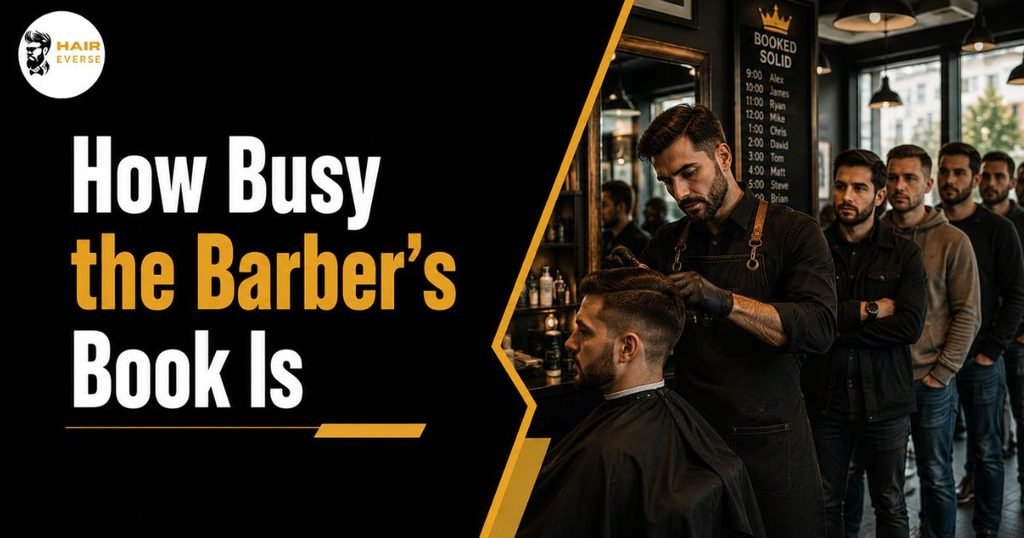
What to Do: Ask how far out you’d need to book for a regular appointment slot with a specific barber.
Follow-Up Tip: A wide-open schedule with no wait isn’t automatically a red flag, but it’s worth factoring into your overall impression. Every barbershop is different, and these signals are general guidance rather than guarantees.
Red Flags to Walk Away From
Not every barber is the right fit. Knowing the warning signs can help you avoid bad haircuts and find a barber you can trust.
Only Asking for a Clipper Guard Number
Overview: If the very first and only question is “what number do you want on the sides,” that’s a sign the barber may be relying purely on clipper guards rather than genuine technique.
Why It Matters: Skilled barbers blend, taper, and shape hair using more than a single guard length, and a haircut based only on guard numbers tends to look generic.
What to Do: If this happens, ask a follow-up question about blending or texture to gauge whether they can go beyond a basic guard cut.
Follow-Up Tip: This alone doesn’t disqualify a barber, but combined with other red flags, it’s worth taking seriously. Every barbershop is different, and these signals are general guidance rather than guarantees.
Unsanitary or Disorganized Tools
Overview: Visible hair buildup on tools, no sanitizing station in sight, or generally grimy equipment are serious warning signs.
Why It Matters: Beyond hygiene concerns, unsanitary tools often correlate with a barber who cuts corners in other areas of their work too.
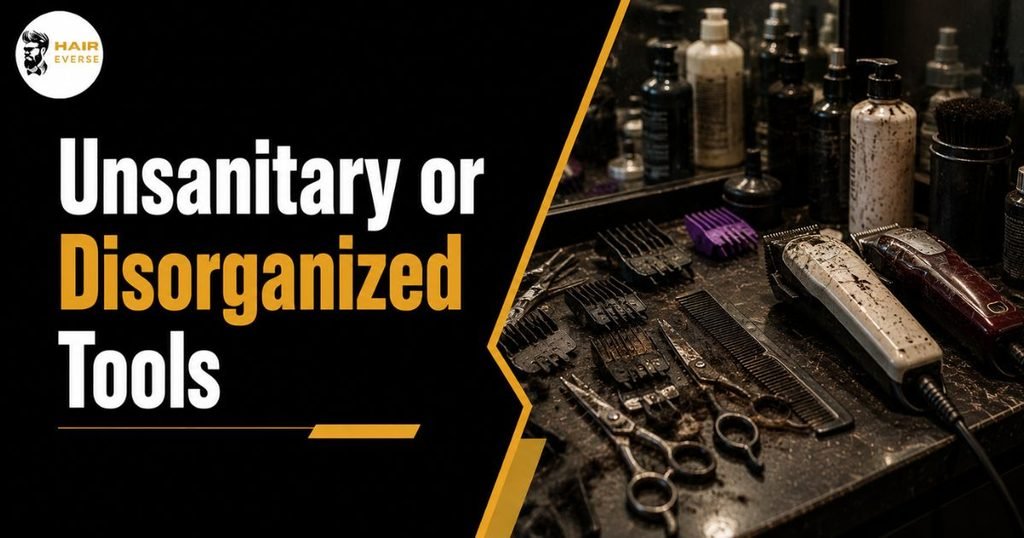
What to Do: If you notice this during your visit, it’s reasonable to politely decline and look elsewhere.
Follow-Up Tip: A single messy moment during a busy rush is different from a consistently unsanitary setup watch for the pattern. Every barbershop is different, and these signals are general guidance rather than guarantees.
Avoiding Eye Contact or Rushed Consultations
Overview: A barber who seems disengaged, avoids eye contact, or rushes through the consultation without really listening is unlikely to deliver a cut tailored to you.
Why It Matters: The consultation sets the tone for the entire appointment, and a rushed one often predicts a rushed, less careful haircut.
What to Do: If the consultation feels dismissive, consider requesting a bit more discussion before the cut begins.
Follow-Up Tip: Busy shops can feel rushed at peak times try booking during a quieter hour to get a fairer read on the barber’s usual pace. Every barbershop is different, and these signals are general guidance rather than guarantees.
No Questions About Face Shape or Lifestyle
Overview: A barber who never asks about your face shape, work environment, or daily styling routine is likely applying a generic approach rather than a personalized one.
Why It Matters: The best haircuts factor in more than just hair type lifestyle and face shape both affect which styles will actually work for you long-term.
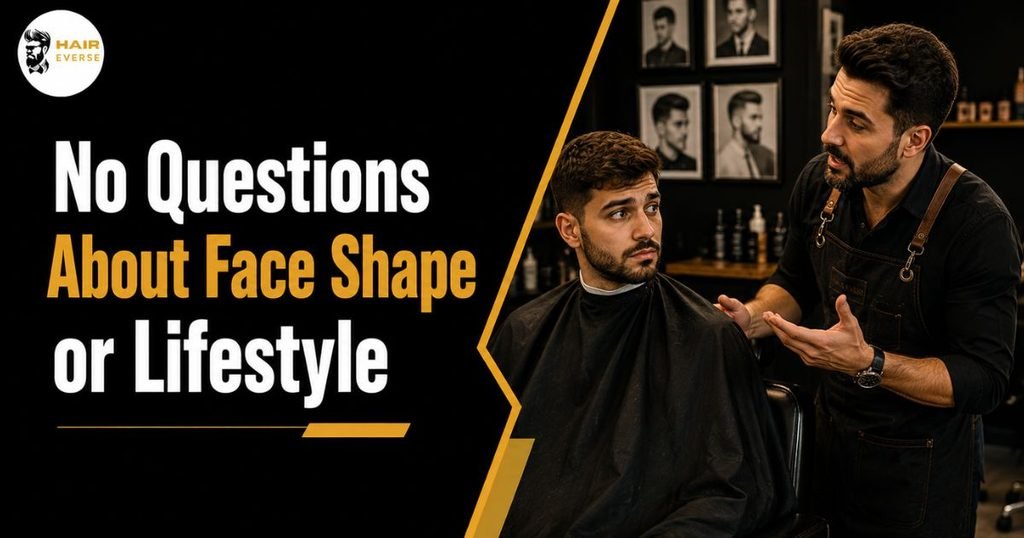
What to Do: If these topics don’t come up naturally, bring them up yourself to see how the barber responds.
Follow-Up Tip: A thoughtful response to your own prompting can still indicate a good barber, even if they didn’t ask first. Every barbershop is different, and these signals are general guidance rather than guarantees.
Frequent Shop-Hopping or Unreliable Scheduling
Overview: A barber who mentions frequently switching shops, or who regularly cancels and reschedules appointments, may be difficult to build a long-term relationship with.
Why It Matters: Consistency matters for a barber relationship meant to last years, and frequent instability makes that harder to count on.
What to Do: If you notice a pattern of cancellations or hear about frequent shop changes, factor that into your long-term decision.
Follow-Up Tip: One rescheduled appointment isn’t a dealbreaker, look for a repeated pattern before drawing conclusions. Every barbershop is different, and these signals are general guidance rather than guarantees.
Green Flags That Signal a Keeper
A great barber delivers consistent results, communicates clearly, and builds lasting client relationships. These positive signs indicate you’ve found someone worth returning to.
A Loyal, Returning Client Base
Overview: A shop full of clients who clearly know their barber by name and chat casually during their appointment reflects genuine, earned loyalty.
Why It Matters: Repeat business is one of the most honest indicators of quality, since clients vote with their continued patronage.
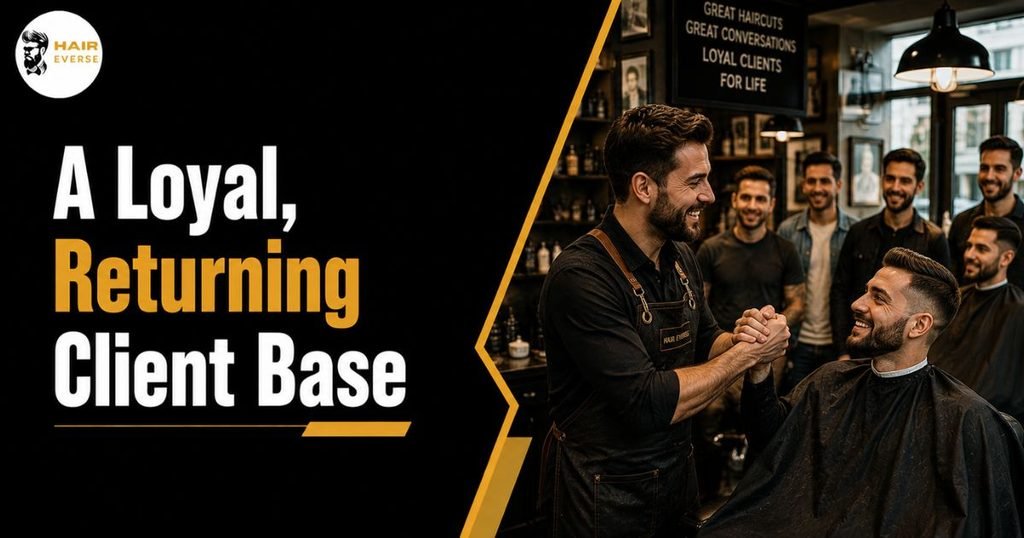
What to Do: Notice the interactions between barbers and waiting or current clients during your visit.
Follow-Up Tip: A quiet shop isn’t automatically a bad sign either some excellent barbers work in smaller, less flashy locations. Every barbershop is different, and these signals are general guidance rather than guarantees.
Consistent Results Across Multiple Visits
Overview: A good barber delivers a similar, reliable result every time you visit, rather than a haircut that varies significantly from one appointment to the next.
Why It Matters: Consistency is the entire point of finding a regular barber in the first place it’s what lets you walk in and simply ask for “the usual.”
What to Do: Track how your cut looks and feels across your first three to four visits before fully committing.
Follow-Up Tip: Minor variation is normal as your hair grows differently between cuts, but the overall shape and quality should stay reliable. Every barbershop is different, and these signals are general guidance rather than guarantees.
Willingness to Push Back on a Bad Request
Overview: A confident barber will speak up if a requested style genuinely won’t work well for your hair type or face shape, rather than silently doing exactly as asked.
Why It Matters: This kind of honest pushback reflects real expertise and care about your results, not just following instructions without judgment.
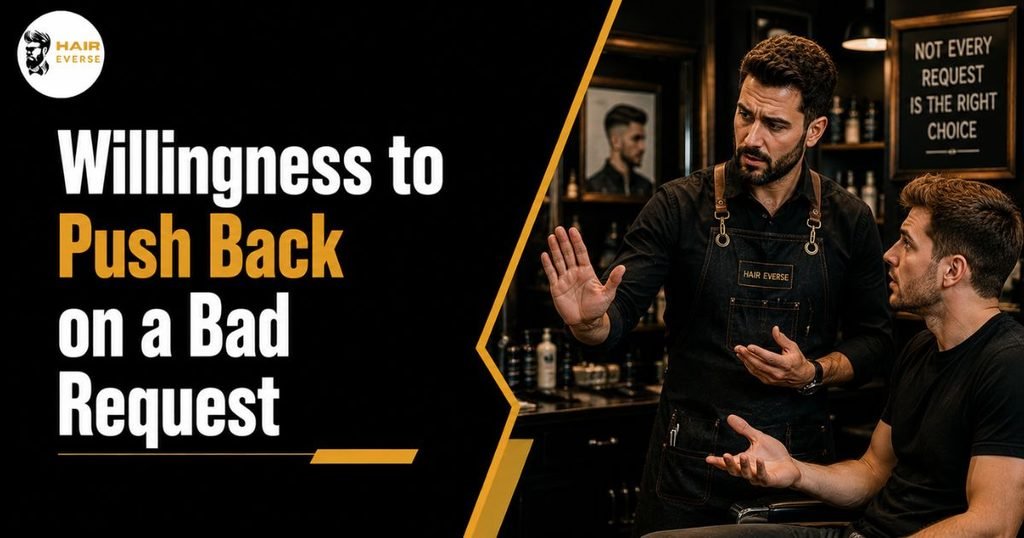
What to Do: Pay attention to whether the barber offers alternatives or explanations when you request something unusual.
Follow-Up Tip: A good barber will still respect your final decision if you insist on your original request after hearing their input. Every barbershop is different, and these signals are general guidance rather than guarantees.
Clear Communication About Maintenance
Overview: A good barber explains how to maintain your new style at home, including product recommendations and how often you’ll need to return for a trim.
Why It Matters: This kind of guidance helps you get the most out of your haircut between appointments, rather than watching it fall apart after a few days.
What to Do: Ask directly about maintenance if it isn’t mentioned, including recommended styling products and trim frequency.
Follow-Up Tip: Write down or save any specific product recommendations so you remember them by the time you’re shopping. Every barbershop is different, and these signals are general guidance rather than guarantees.
A Comfortable Community Feel
Overview: The best barbershops feel like more than a transaction a place with genuine conversation, familiar faces, and a welcoming atmosphere.
Why It Matters: This community feel is part of what makes regular visits enjoyable rather than a chore, supporting the kind of long-term relationship that leads to consistently great haircuts.

What to Do: Notice whether you feel genuinely comfortable and welcomed during your visits, not just technically served.
Follow-Up Tip: This factor matters most over time give it a few visits before weighing it heavily in your decision. Every barbershop is different, and these signals are general guidance rather than guarantees.
The Trial Process
Your first appointment should be treated as a trial rather than a major transformation. Start with a simple cut to evaluate the barber’s skills before committing long-term.
Start With a Simple Trim, Not a Full Transformation
Overview: When trying a new barber, ask for a straightforward cleanup or trim rather than a dramatic new style right away.
Why It Matters: This limits the risk if the barber turns out not to be a great fit, since a simple trim is much easier to recover from than a bold new look gone wrong.
What to Do: Request something like a basic tidy-up around the ears and neckline for your very first visit.
Follow-Up Tip: Once you’re confident in their skill after a simple cut, gradually trust them with more involved styles. Every barbershop is different, and these signals are general guidance rather than guarantees.
Conduct a Mini Interview Before Committing
Overview: Treat your first conversation with a new barber like a brief interview, asking about experience, specialties, and their general approach to consultations.
Why It Matters: A few thoughtful questions upfront can save you from an unpleasant surprise mid-cut, and most professional barbers welcome the engagement.
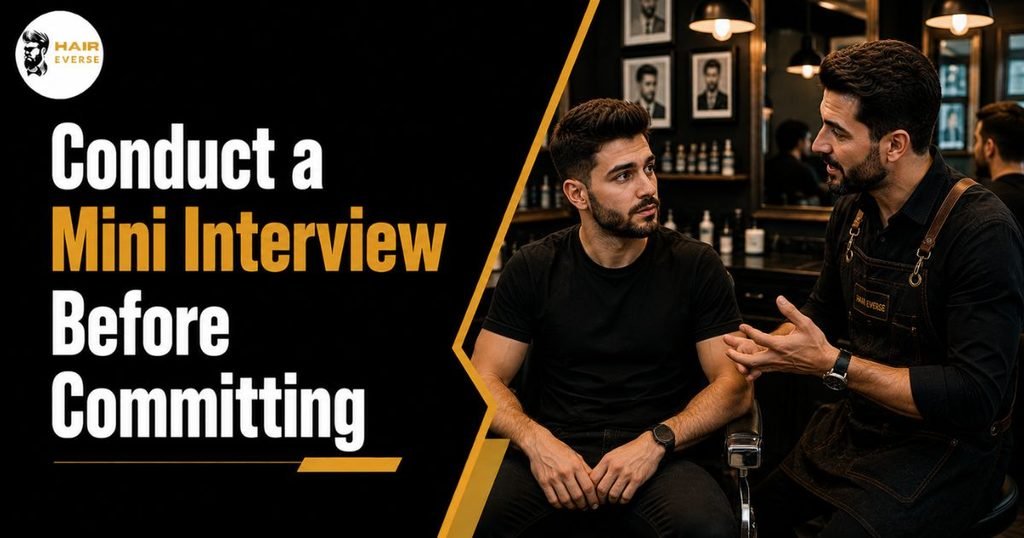
What to Do: Ask two or three questions about their background and approach before you commit to booking a full appointment.
Follow-Up Tip: Pay attention to how comfortable the barber seems answering these questions hesitation or defensiveness is worth noting. Every barbershop is different, and these signals are general guidance rather than guarantees.
Evaluate the First Cut Critically
Overview: Take a genuinely honest look at your haircut once you’re home, in different lighting and after you’ve had time to style it yourself.
Why It Matters: A haircut can look different under barbershop lighting than it does at home, so a fair evaluation takes a day or two to settle in.
What to Do: Check how the cut holds up after your first at-home wash and style, not just the walk-out result.
Follow-Up Tip: If something’s off, don’t hesitate to mention it at your next visit rather than assuming it was a one-time issue. Every barbershop is different, and these signals are general guidance rather than guarantees.
Know When It’s Time to Switch Barbers
Overview: How to find a good barber for curly hair. If you’ve given a barber two or three visits and still aren’t getting consistent, satisfying results, it’s reasonable to start looking elsewhere.
Why It Matters: Loyalty is valuable, but not at the expense of repeatedly walking out unhappy with your hair.
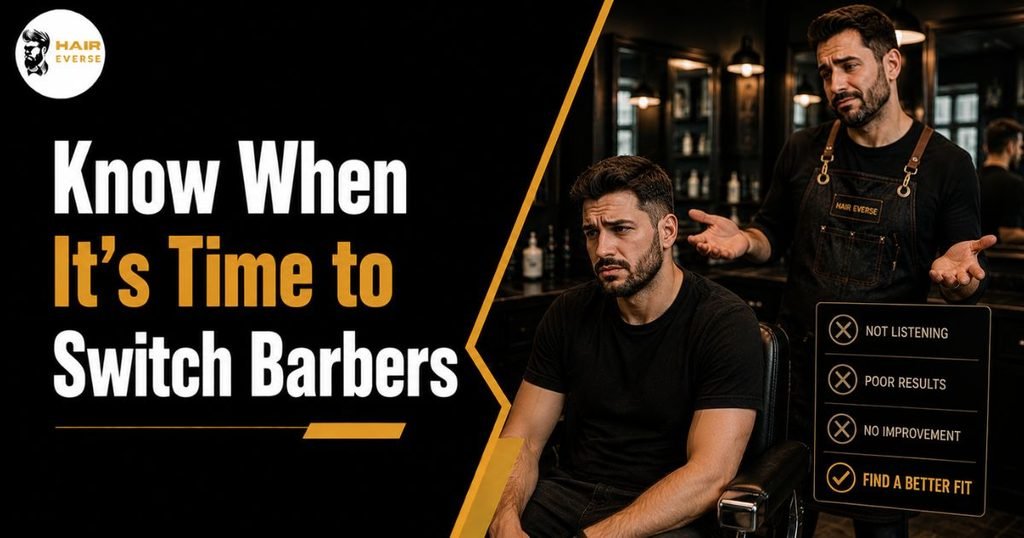
What to Do: Give a new barber a fair trial of at least two to three visits before making a final judgment, since first cuts can vary.
Follow-Up Tip: If you do decide to switch, be honest with your former barber about why, since good professionals appreciate direct feedback. Every barbershop is different, and these signals are general guidance rather than guarantees.
How To Choose The Right Barber For You?
How to find a good barber for long hair? The right barber depends on your hair type and what you’re looking to get out of the relationship, beyond just a single good haircut.
By Hair Type:
- Thick hair: Look for barbers with visible portfolio work on textured, high-volume cuts
- Thin hair: Choose a barber experienced with lighter, more precise fades that won’t overwhelm finer hair
- Curly hair: Prioritize barbers who specifically mention curly-hair experience, since dry-cutting technique differs significantly from straight hair
- Straight hair: Most experienced barbers handle straight hair well, so focus more on style specialization
- Wavy hair: Look for barbers comfortable with texture-enhancing cuts rather than purely structured, blunt lines
By What You Want From the Relationship:
- Consistency above all: Prioritize a barber with a full, loyal client book and multi-year regulars
- Trend-forward styles: Look for an active, frequently updated social media portfolio
- Low-key, quick visits: A straightforward barbershop without a heavy consultation process may suit you better than an elaborate styling-focused salon
Good barber shops near me for teens offer age-appropriate haircuts, skilled barbers, and a comfortable environment for young clients.
How To Talk To A New Barber?
- Bring a reference photo, even for a simple trim, so you’re both working from the same mental picture
- Explain what you liked and disliked about your last haircut specifically
- Mention your daily styling routine and how much time you realistically spend on your hair
- Ask about maintenance and trim frequency before you leave the chair
- Speak up during mid-cut mirror checks rather than waiting until the end
- Confirm the final shape, especially around the neckline and sideburns, before the barber removes the cape
Product Recommendations
Hair Cream
- Best For: A light, natural finish your new barber can suggest for everyday styling
- How To Use: Work a small amount through damp or dry hair, avoiding heavy application at the scalp
Pomade
- Best For: Classic, structured styles a skilled barber can shape and define
- How To Use: Apply to damp hair, comb into place, and set with a blow dryer for lasting hold
Wax
- Best For: Textured, piecey finishes many barbers recommend after a fresh fade
- How To Use: Apply to dry hair and reshape with fingers throughout the day as needed
Clay
- Best For: Matte volume that holds well between barber visits
- How To Use: Focus application at the roots to add lift without weighing hair down
Shampoo
- Best For: Keeping a fresh cut looking sharp between appointments
- How To Use: Massage into a wet scalp, focusing cleansing action there rather than the length
Conditioner
- Best For: Maintaining softness and manageability so your barber’s shape holds its form
- How To Use: Apply from mid-length to ends and rinse after one to two minutes
More Haircut Inspiration
- For more inspiration, take a look at this roundup of Haircuts for Teenage Boys, featuring 35 trending styles for 2026 from low taper fades and textured crops to wolf cuts and shaggy layers. The guide also includes tips on choosing a cut based on hair type and face shape, along with barber advice and product recommendations for keeping the look easy to maintain.
- For a broader range of options, check out this complete guide to Hairstyles for Men, covering 35 styles for 2026, from textured crops and fades to pompadours, undercuts, and mullets. It breaks each style down by hair type and face shape, with styling tips and maintenance schedules to help you find a cut that actually works with your daily routine.
- If a prominent hairline is part of the equation, this guide to Big Forehead Hairstyles is worth a look it covers 37 cuts built around forehead-friendly coverage, from forward fringes and curtain bangs to buzz cuts that lean into the shape rather than hide it. It also breaks down what to avoid, like slicked-back styles that expose more of the hairline than they hide.
- Fade height changes everything about how a cut reads, and picking the wrong one is the easiest way to end up unhappy in the chair. Our Low Fade vs Mid Fade vs High Fade guide breaks down where each starts and 35 style pairings for every fade level.
- Picking a style is only half the job; keeping it healthy is the other half. Our Hair Care Guide for Men breaks down routines by hair type, scalp condition, and lifestyle, from daily washing technique to weekly deep-conditioning.
- Bold and textured hair needs the right hold to actually stay up all day. Our Spiky Hairstyles guide covers 35 variations, from clean spiky crop fades to punk-inspired mohawks, with tips on matching height and hold to hair type.
- A softer, rounder alternative to a straight-line fade curves around the ear instead of running level. Our Burst Fade Haircuts guide covers 35 variations, from mullets and mohawks to curly tops and afros.
- Low-maintenance and clean-cut rarely means boring. Our Buzz Cut Men guide covers 35 styles, from induction cuts to skin-fade and mohawk variations, with barber-approved guard numbers for every hair type.
- Some cuts never really go out of style, no matter what trends come and go. Our Classic Hairstyles Guide covers 35 timeless options, from the pompadour and slick back to the crew cut and Caesar.
- A strong jawline changes the math on which cuts actually flatter your face. Our Square Face Haircuts guide rounds up 35 styles organized by jaw variation and hair type.
Final Thoughts
As we discussed in detail the question how to find a good barber? Takes a little more effort than picking the closest shop on a map, but the payoff is worth it. Work through the phases in this guide research, shop evaluation, barber evaluation, red and green flags, and a fair trial period and you’ll land on someone worth sticking with.
Give any new barber a genuine chance before writing them off, but don’t be afraid to keep looking if something isn’t clicking after a few visits. The right fit is out there, and once you find your person, your next haircut becomes something to look forward to instead of something to dread.
FAQs
What Questions Should I Ask a New Barber?
Ask how long they’ve been cutting hair, where they trained, and whether they have experience with your specific hair type. Also ask about their approach to consultations and how they handle requests that might not suit your face shape or hair texture well.
How Much Should I Tip my Barber?
Fifteen to twenty percent of the service cost is a common range in the United States, similar to other personal service industries. Some regulars tip more generously for barbers they’ve built a long-term relationship with, especially around holidays.
How Often Should I Switch Barbers?
Give a new barber at least two to three visits before deciding they’re not a good fit, since first cuts can vary. If you’re consistently unhappy after that fair trial, it’s reasonable to start looking elsewhere.
Should I Book an Appointment or Walk In?
This depends on the specific shop and barber. Popular, in-demand barbers often require advance booking, while some shops maintain a steady walk-in system. Check the shop’s website or call ahead if you’re unsure which system a specific barber uses.
How Long Does it Take to Find a Good Barber?
For most guys, finding a solid candidate through research takes a single afternoon of checking reviews and recommendations. Confirming they’re truly a good long-term fit typically takes two to three visits to judge consistency fairly.
Why is it so Hard to Find a Good Barber?
Finding a good barber is hard because of inconsistent skill levels, communication gaps between client and stylist, and the high variation in individual hair types and head shapes.