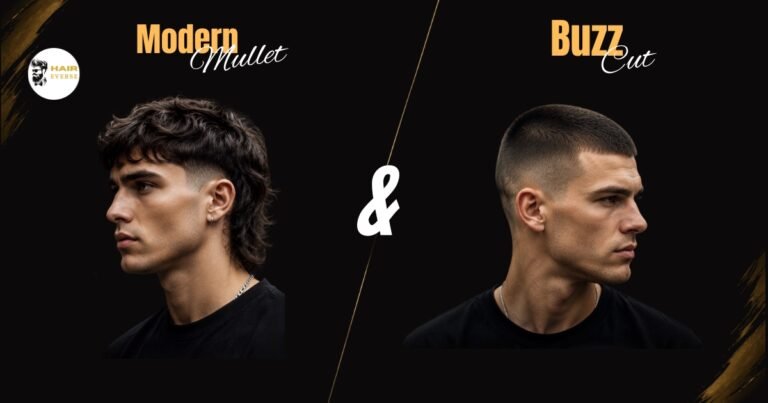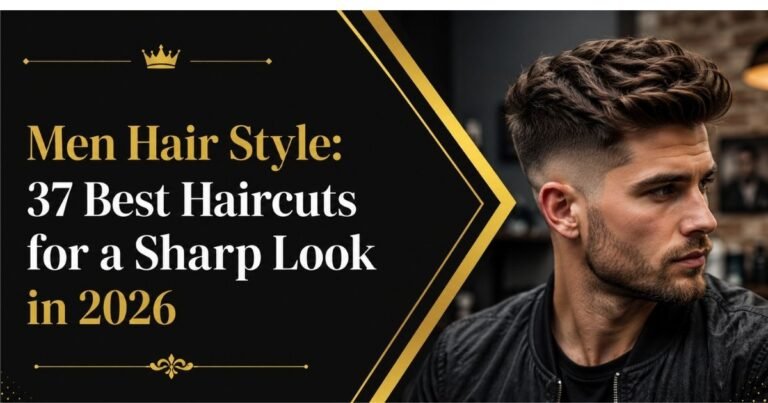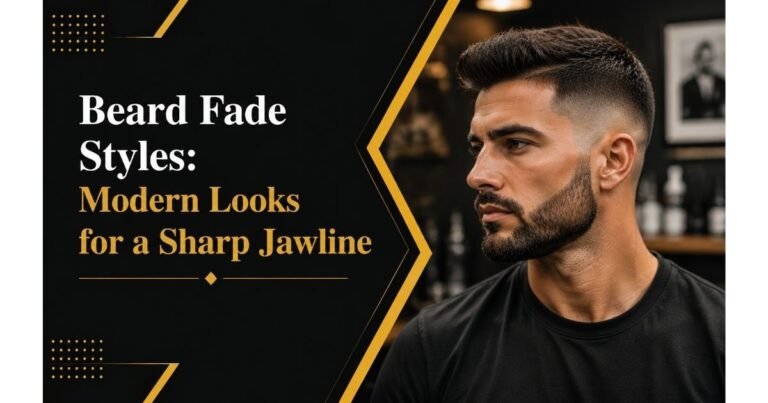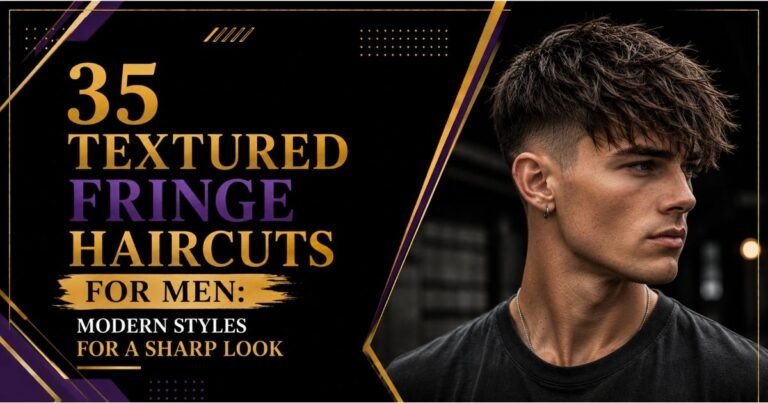
Fade Haircuts for Men: 35 Types, Styles & Tips
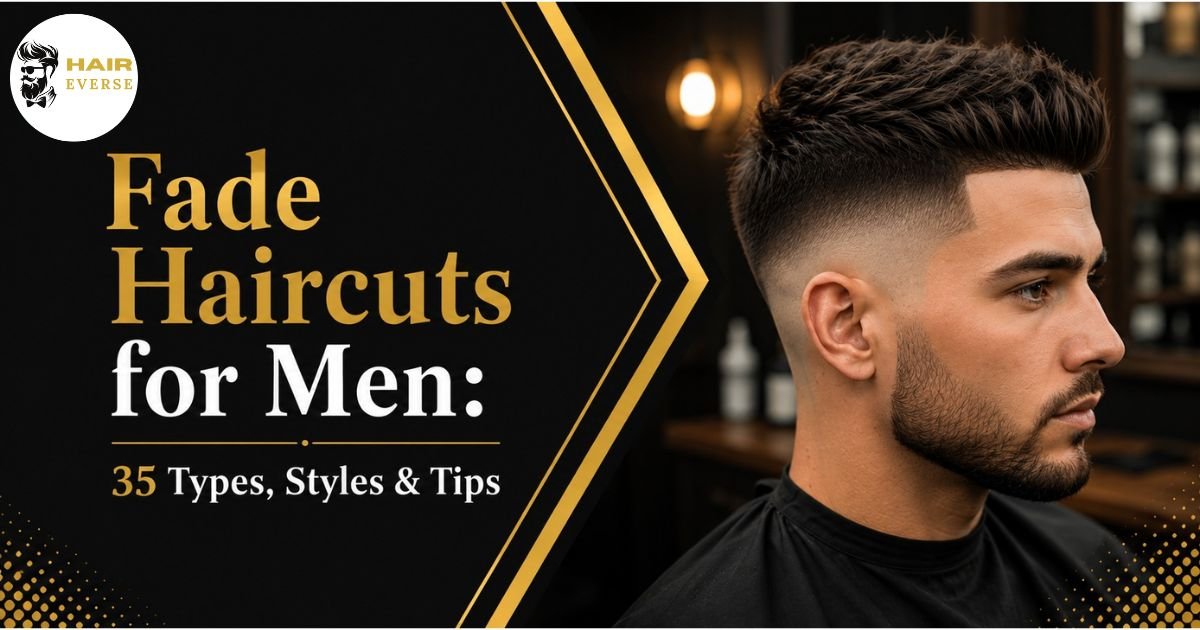
Fade haircuts for men are among the most popular men’s hairstyles, offering a clean, versatile look with countless variations.
From low and mid fades to skin and burst fades, the right choice depends on your hair type, face shape, and lifestyle.
This guide explores 35 fade haircut for men styles for 2026, with expert tips on choosing the best fade, communicating with your barber, and maintaining a sharp, polished appearance.
Fade Haircuts for Men Comparison Table
The comparison table evaluate each of the fade haircuts for men based on hair type, face shape, upkeep, and daily styling effort. It highlights which styles suit different textures and features while showing how much maintenance and styling time each one requires, making it easier to choose a haircut that fits both your appearance and your lifestyle.
| Hairstyle | Best Hair Type | Face Shape | Maintenance | Styling Time |
| Low Fade | All types | Round, Oval | Medium | 5-10 min |
| Mid Fade | Straight, Wavy | Oval, Square | Medium | 5-10 min |
| High Fade | Straight, Thick | Angular, Square | High | 5-10 min |
| Skin Fade (Bald Fade) | All types | Square, Oval | High | 5 min |
| Taper Fade | All types | Any | Low | 5 min |
| Burst Fade | Curly, Wavy | Round, Oval | Medium | 5-10 min |
| Drop Fade | Curly, Thick | Oval, Heart | Medium | 5-10 min |
| Temple Fade | Straight, Wavy | Any | Low | 5 min |
| Shadow Fade | Fine, Thin | Round, Oval | Low | 5 min |
| Low Fade with Pompadour | Thick | Oval, Diamond | High | 10-15 min |
| Mid Fade with Quiff | Straight, Wavy | Oval, Square | Medium | 10 min |
| High Fade with Textured Crop | Thick, Wavy | Angular, Oval | Medium | 10 min |
| Fade with Curly Top | Curly, Coily | Oval, Round | Medium | 10-15 min |
| Fade with Waves | Wavy | Oval, Square | Medium | 10 min |
| Fade with Afro | Coily, Curly | Round, Oval | Medium | 10-15 min |
| Fade with Undercut | Straight, Thick | Diamond, Oval | Medium | 10 min |
| Fade with Comb Over | Straight, Wavy | Oval, Heart | Medium | 8-10 min |
| Fade with Side Part | Straight | Oval, Square | Medium | 8-10 min |
| Fade with Slick Back | Straight, Thick | Oval, Long | Medium | 10 min |
| French Crop Fade | Straight, Wavy | Oval, Heart | Low | 5-8 min |
| Caesar Fade | Straight, Thin | Round, Square | Low | 5 min |
| Fade with Mohawk | Thick, Straight | Oval, Round | High | 15 min |
| Fade with Faux Hawk | Thick, Wavy | Oval, Square | Medium | 10 min |
| Fade Mullet | All types | Oval, Heart | Medium | 8-10 min |
| Fade with Beard | All types | Any | Medium | 5-10 min |
| Fade with Hard Part | Straight, Wavy | Oval, Square | Medium | 8 min |
| Fade with Cornrows | Coily, Curly | Any | Low | Varies |
| Fade with Dreadlocks | Coily, Curly | Any | Low | Varies |
| V-Shape Fade | Straight, Thick | Square, Oval | Medium | 8 min |
| Fade for Thin Hair | Thin, Fine | Oval, Round | Low | 5 min |
| Fade for Thick Hair | Thick | Square, Oval | Medium | 8-10 min |
| Fade for Straight Hair | Straight | Any | Low | 5-8 min |
| Ivy League Fade | Straight, Wavy | Oval, Square | Low | 5-8 min |
| Spiky Fade | Straight, Thick | Round, Oval | Medium | 8-10 min |
| Flat Top Fade | Coily, Curly, Thick | Square, Round | High | 10-15 min |
The 35 Best Fade Haircuts for Men
Explore the best fade haircuts for men, featuring modern, classic, and trendy styles for every hair type and face shape. From low fades to skin fades and textured cuts, each hairstyle includes styling tips and maintenance advice to help you choose the perfect look.
Low Fade
Overview: The low fade keeps the fade line close to the ears, leaving more length around the sides than mid or high versions. It’s the most subtle entry point into fade haircuts for men.
Why It Works: Suits every hair type and pairs well with round or oval faces since it doesn’t add sharp height. Great for office environments and conservative dress codes.
Styling Tip: Work a dime-size amount of matte clay through damp top hair, then finger-comb for a natural, non-shiny finish.
Maintenance: Book a trim every 3 weeks since the low starting point grows out slower than higher fades. Maintenance and styling times are estimates and may vary by hair type.
Mid Fade
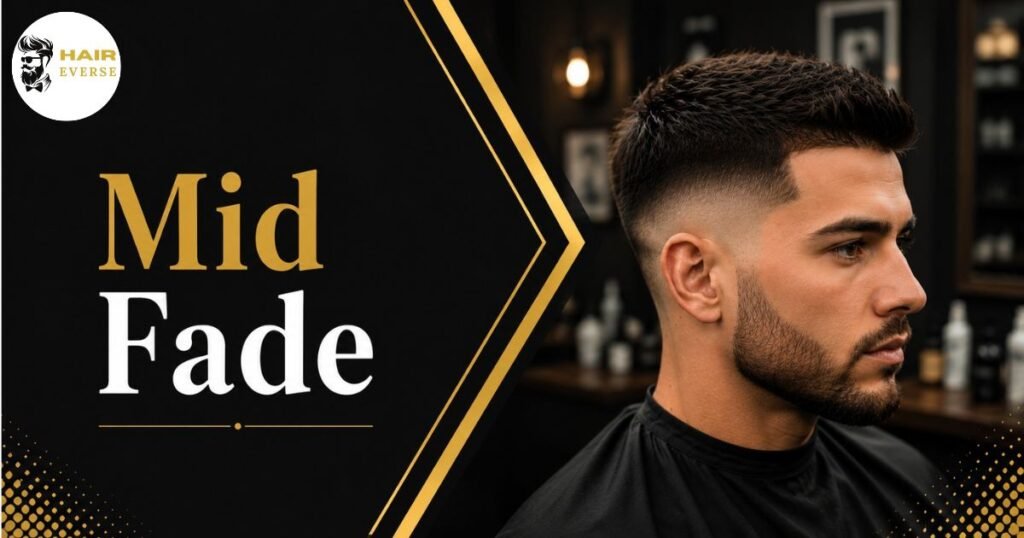
Overview: Starting around the temples, the mid fade balances contrast and subtlety. It’s the most requested fade haircut for men who want structure without going extreme.
Why It Works: Best on straight or wavy hair and flatters oval and square faces by adding definition without overwhelming the jawline.
Styling Tip: Blow-dry the top upward with a round brush, then set with a light-hold pomade for lift that lasts all day.
Maintenance: Get a touch-up every 2 to 3 weeks to keep the temple line crisp. Maintenance and styling times are estimates and may vary by hair type.
High Fade
Overview: The high fade climbs up near the crown, creating the boldest contrast of the three fade heights. It’s a statement cut built for guys who want their haircut noticed.
Why It Works: Works best with straight or thick hair and suits angular or square faces that can handle the sharp visual break.
Styling Tip: Use texture powder at the roots before styling to add lift without extra weight, then shape with fingers.
Maintenance: Because so little length is left near the fade, plan on a touch-up every 2 weeks. Maintenance and styling times are estimates and may vary by hair type.
Skin Fade (Bald Fade)
Overview: A skin fade blends the hair all the way down to bare skin, creating the sharpest possible contrast against the top. It can be applied at a low, mid, or high starting point.
Why It Works: Works with any hair type since the sides are cut so close, and it suits square or oval faces by sharpening the jawline visually.
Styling Tip: Apply pomade with a comb for a glossy, defined top that contrasts against the bare skin.
Maintenance: Skin fades grow out fastest of all fade types, so budget for a trim every 2 weeks. Maintenance and styling times are estimates and may vary by hair type.
Taper Fade
Overview: A taper fade blends hair length gradually down to the natural hairline rather than to bare skin, giving a softer transition than a true fade.
Why It Works: The gentlest option for any hair type and face shape, making it a safe first haircut for men new to short styles.
Styling Tip: A small amount of styling cream smooths flyaways without adding heavy shine.
Maintenance: Because there’s no skin exposed, tapers grow out more forgivingly every 4 weeks is typical. Maintenance and styling times are estimates and may vary by hair type.
Burst Fade
Overview: The burst fade curves in a semicircle around the ear instead of running straight around the head, ending at the side of the neck rather than the nape.
Why It Works: Especially flattering on curly or wavy hair types and rounds out oval or round face shapes with its curved line.
Styling Tip: Curl-defining cream applied to damp hair keeps texture on top distinct from the tight curve below.
Maintenance: The curved shape needs sharpening every 2 to 3 weeks to avoid looking blurred. Maintenance and styling times are estimates and may vary by hair type.
Drop Fade
Overview: A drop fade dips lower behind the ear and around the back of the head, following the natural curve of the skull instead of staying level.
Why It Works: Complements curly or thick hair by removing bulk at the sides, and flatters oval or heart-shaped faces.
Styling Tip: Apply sea salt spray before blow-drying to add texture that highlights the dropped line.
Maintenance: The dropped shape needs a touch-up every 3 weeks to keep the curve looking intentional. Maintenance and styling times are estimates and may vary by hair type.
Temple Fade
Overview: A temple fade keeps the taper limited to the temples and nape while the rest of the sides stay slightly longer, giving a subtler overall silhouette.
Why It Works: Works with straight or wavy hair and suits nearly any face shape since the hairline stays behind the ear.
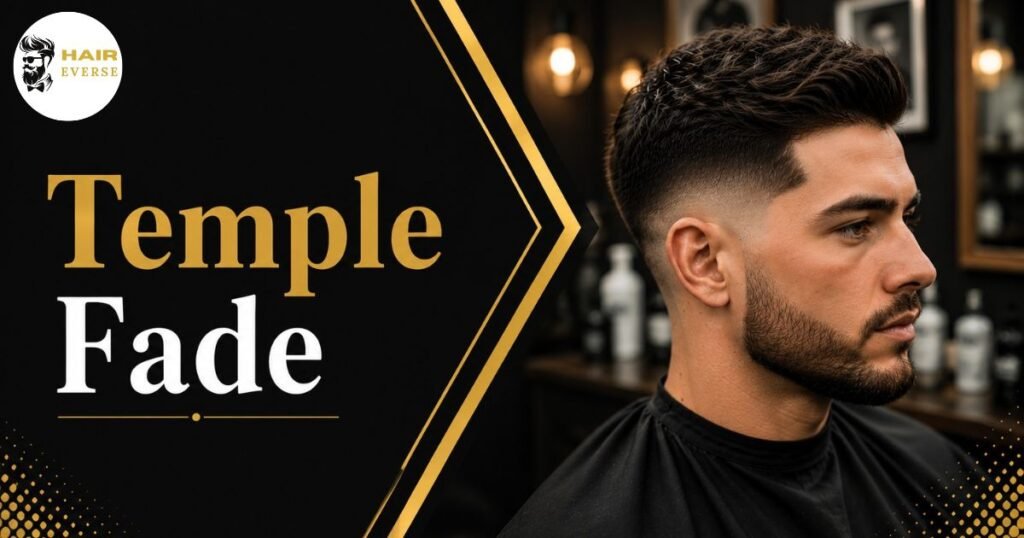
Styling Tip: A light-hold gel keeps the top controlled without stiffness, letting the subtle taper stand out.
Maintenance: One of the lowest-upkeep fades, a trim every 4 weeks holds the shape. Maintenance and styling times are estimates and may vary by hair type.
Shadow Fade
Overview: The shadow fade uses clippers to leave a light dusting of hair rather than bare skin, creating a soft, blurred blend instead of a sharp line.
Why It Works: Ideal for fine or thin hair types since it avoids the harsh contrast a skin fade creates, and it flatters round or oval faces gently.
Styling Tip: Lightweight styling cream keeps the top soft without weighing down fine strands.
Maintenance: The soft blend hides regrowth well, so a 4-week trim schedule works fine. Maintenance and styling times are estimates and may vary by hair type.
Low Fade with Pompadour
Overview: This pairing keeps the sides subtle while building serious height and volume on top with a classic pompadour shape.
Why It Works: Best suited to thick hair that can hold volume, and flatters oval or diamond face shapes by adding length upward.
Styling Tip: Blow-dry the top back and up over a round brush, then set with a strong-hold pomade.
Maintenance: The low sides grow out slowly, but the pompadour needs daily restyling. Maintenance and styling times are estimates and may vary by hair type.
Mid Fade with Quiff
Overview: The quiff adds a swept-up, textured front section that contrasts against the clean temple-level fade on the sides.
Why It Works: Works well with straight or wavy hair and suits oval or square faces looking for a youthful, styled front.
Styling Tip: Apply a matte styling cream to damp hair, then lift the front with fingers while blow-drying.
Maintenance: Reshape the quiff daily with product; the fade itself holds for 3 weeks. Maintenance and styling times are estimates and may vary by hair type.
High Fade with Textured Crop
Overview: A choppy, textured crop sits on top of a high fade for maximum contrast between the bold sides and a deliberately messy top.
Why It Works: Best for thick or wavy hair with natural movement, and suits angular or oval faces wanting an edgier finish.
Styling Tip: Scrunch texture clay through damp hair with fingers rather than a brush to keep the choppy shape.
Maintenance: The high sides need a 2-week touch-up while the crop can grow slightly longer between cuts. Maintenance and styling times are estimates and may vary by hair type.
Fade with Curly Top
Overview: This style clears bulk from the sides with any fade height while preserving natural curl definition on top.
Why It Works: Purpose-built for curly or coily hair, and flatters oval or round faces by keeping volume balanced above the ears.
Styling Tip: Use a curl-defining cream on soaking-wet hair, then air-dry or diffuse to avoid frizz.
Maintenance: Curls hide regrowth well, so a 3-week trim schedule is typical. Maintenance and styling times are estimates and may vary by hair type.
Fade with Waves
Overview: A short top is brushed consistently to train natural wave patterns, paired with a clean fade for sharp contrast.
Why It Works: Works exclusively on wavy or coily hair textures capable of holding a wave pattern, suits oval and square faces.
Styling Tip: Apply a wave pomade and brush in a circular pattern for two minutes nightly under a durag.
Maintenance: Brushing daily is required to maintain wave definition; trims every 2-3 weeks keep the fade sharp. Maintenance and styling times are estimates and may vary by hair type.
Fade with Afro
Overview: The sides taper down while the top is left long and shaped into a rounded afro silhouette for bold volume.
Why It Works: Built for coily or curly hair, and suits round or oval faces since the volume on top elongates the face.
Styling Tip: A leave-in curl cream applied to damp hair prevents shrinkage and helps define the afro’s shape.
Maintenance: Pick and shape the afro daily; sides need refreshing every 3 weeks. Maintenance and styling times are estimates and may vary by hair type.
Fade with Undercut
Overview: The undercut shaves the sides dramatically shorter than the top, and adding a fade smooths the transition instead of leaving a hard line.
Why It Works: Works on straight or thick hair and flatters diamond or oval faces with the strong top-to-side contrast.
Styling Tip: Blow-dry the top backward, then apply a firm-hold pomade to keep length controlled.
Maintenance: The fade blend needs a 3-week refresh; longer top hair can go 6-8 weeks between trims. Maintenance and styling times are estimates and may vary by hair type.
Fade with Comb Over
Overview: A side part combed neatly across the head pairs with any fade height for a polished, professional finish.
Why It Works: Best for straight or slightly wavy hair, and suits oval or heart-shaped faces looking for a tidy silhouette.
Styling Tip: Comb pomade through damp hair in the direction of the part, then blow-dry to set the shape.
Maintenance: The clean part needs daily combing; the fade itself lasts 3 weeks. Maintenance and styling times are estimates and may vary by hair type.
Fade with Side Part
Overview: Similar to a comb over but with a more defined, razor-sharp part line cut directly into the hair for extra precision.
Why It Works: Suits straight hair best and flatters oval or square faces wanting a classic, buttoned-up look.
Styling Tip: Use a fine-tooth comb with light-hold pomade to keep the part line crisp all day.
Maintenance: Ask your barber to re-cut the part line every visit so it doesn’t grow soft. Maintenance and styling times are estimates and may vary by hair type.
Fade with Slick Back
Overview: The top is grown out slightly longer and combed straight back for a sleek, controlled finish above the fade.
Why It Works: Works best on straight or thick hair and suits oval, square, or longer face shapes.
Styling Tip: Apply a high-shine pomade to damp hair and comb straight back before it dries.
Maintenance: Reapply product midday if hair is fine; the fade holds for 3 weeks. Maintenance and styling times are estimates and may vary by hair type.
French Crop Fade
Overview: A short, blunt fringe sits forward on top while the sides fade cleanly underneath, creating a low-fuss modern silhouette.
Why It Works: Works with straight or wavy hair and suits oval or heart-shaped faces by framing the forehead.
Styling Tip: Work a small amount of matte clay through the fringe with fingers to keep it textured, not flat.
Maintenance: One of the easiest fades to maintain; trims every 4 weeks are typical. Maintenance and styling times are estimates and may vary by hair type.
Caesar Fade
Overview: Short, even length across the top with a light forward fringe pairs with a fade for a tidy, low-maintenance shape.
Why It Works: Works with straight or thin hair and suits round or square faces by keeping the silhouette compact.
Styling Tip: A touch of styling cream tames flyaways without adding unnecessary shine.
Maintenance: Grows out evenly, so a 4-week trim schedule keeps it neat. Maintenance and styling times are estimates and may vary by hair type.
Fade with Mohawk
Overview: The sides fade down to skin while a center strip is left long and styled upward for a bold, statement-making shape.
Why It Works: Best for thick or straight hair with enough density to hold height, and suits oval or round faces.
Styling Tip: Blow-dry the center strip upward while combing, then lock height with a strong-hold styling gel.
Maintenance: Daily restyling is required to keep the strip standing; sides need a 2-week refresh. Maintenance and styling times are estimates and may vary by hair type.
Fade with Faux Hawk
Overview: A softer take on the mohawk, this style leaves the center section slightly longer than the sides without shaving it fully bare.
Why It Works: Works with thick or wavy hair, and suits oval or square faces wanting shape without full commitment.
Styling Tip: Apply molding paste and pinch sections upward with fingers to build subtle height.
Maintenance: Easier to maintain than a full mohawk; fade needs a 3-week refresh. Maintenance and styling times are estimates and may vary by hair type.
Fade Mullet
Overview: Short, faded sides contrast against longer hair left at the back for a modern, updated take on the classic mullet.
Why It Works: Works with any hair type, and suits oval or heart-shaped faces since the length balances a narrower jaw.
Styling Tip: Use a curl-enhancing cream on the back section if hair has natural texture, to add movement.
Maintenance: The back can go longer between trims while the fade needs refreshing every 3 weeks. Maintenance and styling times are estimates and may vary by hair type.
Fade with Beard
Overview: Any fade height can be blended directly into a beard line, creating one continuous, connected shape from hairline to jaw.
Why It Works: Works with all hair types and complements any face shape by adding structure around the jawline.
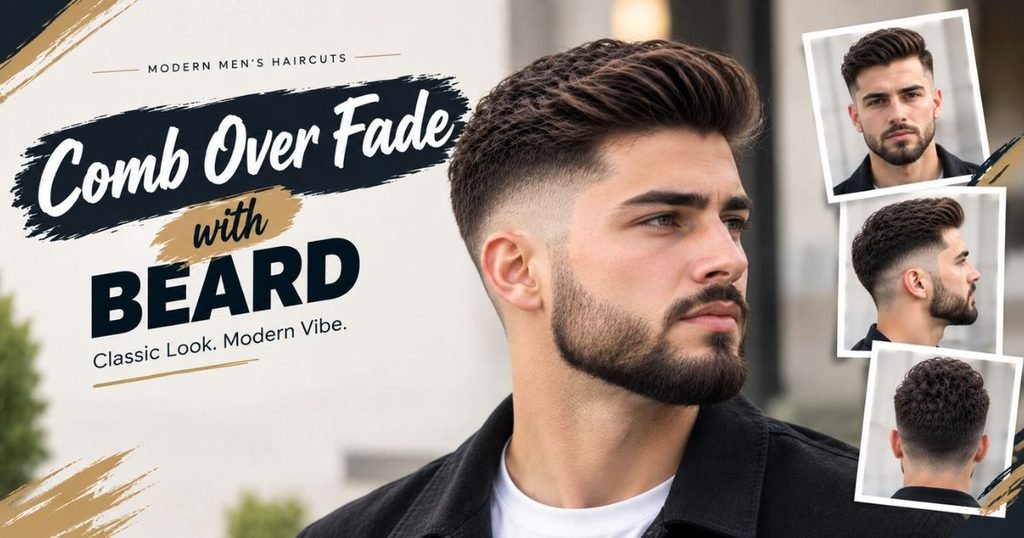
Styling Tip: Use beard oil daily to keep facial hair soft so the blend line stays smooth against the fade.
Maintenance: Trim both the fade and beard edges together every 2-3 weeks so the blend doesn’t separate. Maintenance and styling times are estimates and may vary by hair type.
Fade with Hard Part
Overview: A thin line is shaved directly into the hair to separate the top from the fade, adding a sharp, barber-shop detail.
Why It Works: Works with straight or wavy hair and suits oval or square faces looking for extra definition.
Styling Tip: Comb the part open daily to keep the shaved line visible as hair grows.
Maintenance: The hard part needs re-shaving every visit; ask your barber to refresh it every 2-3 weeks. Maintenance and styling times are estimates and may vary by hair type.
Fade with Cornrows
Overview: Braided cornrows on top are paired with a faded perimeter, cleaning up the edges around a protective style.
Why It Works: Designed for coily or curly hair types and works with any face shape since the fade frames rather than changes the top.
Styling Tip: Apply braid gel or edge control along the hairline to keep the fade-to-braid transition sharp.
Maintenance: Cornrows typically last 2-4 weeks; the fade around the edges needs a refresh every 2 weeks. Maintenance and styling times are estimates and may vary by hair type.
Fade with Dreadlocks
Overview: Faded sides reduce bulk around longer dreadlocks, keeping a length-focused style looking clean and controlled at the edges.
Why It Works: Built for coily or curly hair growing into locs, and works with any face shape since it doesn’t alter the top length.
Styling Tip: Use locking gel sparingly at the roots to keep new growth neat between retwists.
Maintenance: Locs need retwisting every 4-6 weeks; the fade perimeter should be refreshed every 2-3 weeks. Maintenance and styling times are estimates and may vary by hair type.
V-Shape Fade
Overview: Instead of a rounded neckline, the fade tapers into a distinct V-shape point at the nape, adding a sharp architectural detail.
Why It Works: Works with straight or thick hair and suits square or oval faces wanting an edgy, modern finish.
Styling Tip: Style the top upward with matte cream to draw the eye away from the neckline toward volume.
Maintenance: The pointed shape softens quickly, so plan for a touch-up every 2-3 weeks. Maintenance and styling times are estimates and may vary by hair type.
Fade for Thin Hair
Overview: Shorter sides make top hair appear fuller by comparison, a useful trick for men with thin or fine strands.
Why It Works: Purpose-built for thin or fine hair, and flatters oval or round faces since it avoids weighing the top down.
Styling Tip: Use texture powder at the roots to create the illusion of extra density before styling.
Maintenance: Thin hair regrows unevenly around fade lines, so a 3-week trim keeps it looking deliberate. Maintenance and styling times are estimates and may vary by hair type.
Fade for Thick Hair
Overview: A fade removes excess weight from the sides while leaving enough length on top to control thick hair’s natural bulk.
Why It Works: Designed specifically for thick hair, and suits square or oval faces that can carry more volume on top.
Styling Tip: Blow-dry with a paddle brush to smooth bulk before applying a matte clay for shape.
Maintenance: Thick hair grows quickly, so plan for a fade touch-up every 2-3 weeks. Maintenance and styling times are estimates and may vary by hair type.
Fade for Straight Hair
Overview: Straight hair holds a clean, sharp line naturally, making it one of the easiest textures to pair with any fade height.
Why It Works: Built for straight hair specifically, and works with virtually any face shape thanks to its adaptability.
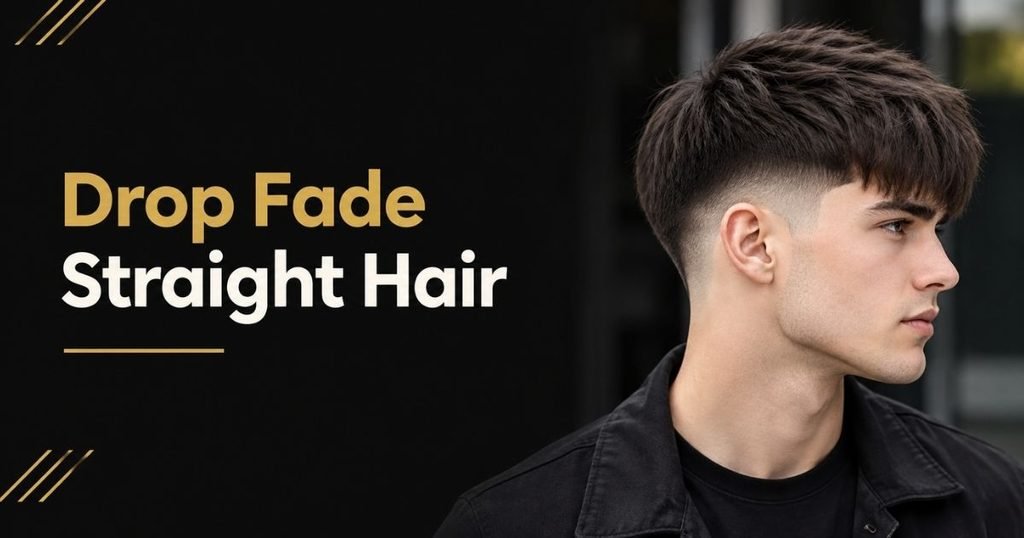
Styling Tip: A lightweight texture cream adds definition without fighting the hair’s natural fall.
Maintenance: Straight hair shows regrowth clearly, so a 3-week schedule keeps lines crisp. Maintenance and styling times are estimates and may vary by hair type.
Ivy League Fade
Overview: A slightly longer, classic top is paired with a low or temple fade for a preppy, versatile everyday look.
Why It Works: Works with straight or wavy hair and suits oval or square faces in professional settings.
Styling Tip: Comb a light pomade through damp hair for a natural, low-shine finish that reads polished, not stiff.
Maintenance: One of the lowest-upkeep options, a 4-week trim schedule holds the shape well. Maintenance and styling times are estimates and may vary by hair type.
Spiky Fade
Overview: Short top hair is styled into defined spikes using strong-hold product, contrasting against a clean fade below.
Why It Works: Works best with straight or thick hair that holds product well, and suits round or oval faces with added height.
Styling Tip: Apply strong-hold wax to dry hair and pinch small sections upward between fingers for defined points.
Maintenance: Spikes need daily restyling; the fade holds for 3 weeks. Maintenance and styling times are estimates and may vary by hair type.
Flat Top Fade
Overview: Top hair is cut and shaped completely flat and squared off, paired with a sharp fade for a bold, retro-modern silhouette.
Why It Works: Works best with thick, coily, or curly hair that has the density to hold a flat shape, and suits square or round faces.
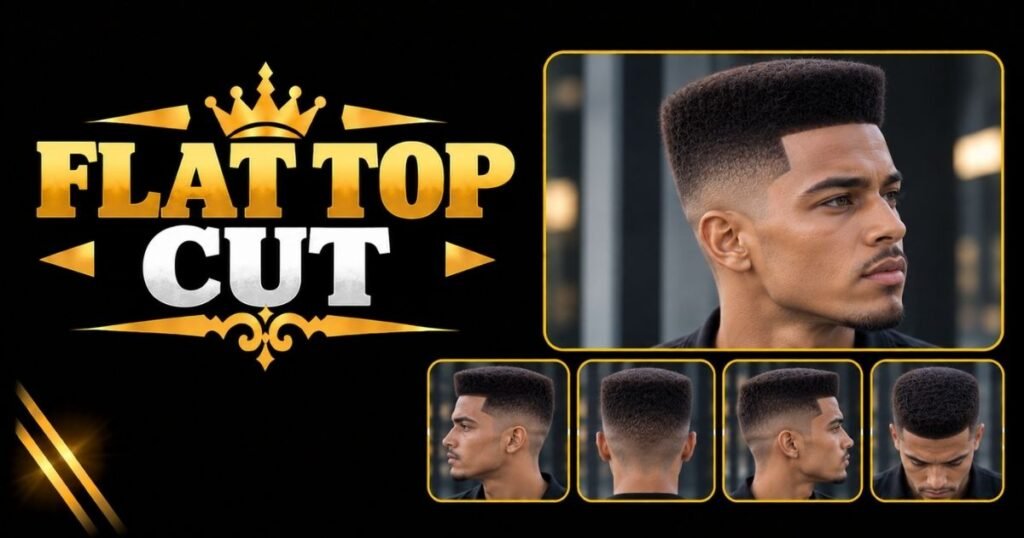
Styling Tip: Use a flat-top comb and strong-hold gel to press hair upward and level the surface while styling.
Maintenance: Flat top fade haircuts for men require the most frequent upkeep of any style here a touch-up every 1-2 weeks keeps edges square. Maintenance and styling times are estimates and may vary by hair type.
How to Choose the Right Fade Hairstyle
Picking the right fade comes down to two things: your natural hair texture and your face shape. Here’s a beginner-friendly breakdown.
By Hair Type:
- Thick hair: Fades remove bulk from the sides while leaving enough length on top for texture or volume. Try a mid or high fade with a textured crop.
- Thin hair: Shorter sides make top hair look fuller by contrast. A low or temple fade avoids exposing too much scalp.
- Curly hair: Fades reduce weight without flattening curl pattern. Pair with a curly top or afro for the best texture payoff.
- Straight hair: Holds clean lines naturally, making it the most flexible texture for any fade height or combination.
- Wavy hair: Works well with burst or drop fades that follow the natural curve of the head and highlight wave movement.
By Face Shape:
- Oval: Nearly every fade style works well; this is the most flexible face shape for experimenting.
- Round: Higher fades and added height on top elongate the face; avoid styles that add width at the sides.
- Square: Softer, curved fade lines like drop or burst fades balance a strong jawline.
- Long: Lower fades with volume on the sides help shorten the visual length of the face.
How to Ask Your Barber for a Fade Haircut
Clear communication is the difference between the fade you pictured and the one you leave with.
- Bring a reference photo, words alone rarely convey the exact fade height and blend you want
- Name the fade height specifically: say “low,” “mid,” or “high” rather than just “a fade”
- Explain the top length and style you want, whether textured, slicked, or curly
- Mention your daily styling routine so your barber can shape the cut to match your effort level
- Ask about workplace or lifestyle needs if you need something more conservative
- Confirm the final shape and neckline before the clippers start
Product Recommendations for Fade Haircuts
Hair Cream
- Best For: Adding light hold and a natural, non-greasy finish to shorter fade tops
- How To Use: Warm a small amount between palms and work through damp hair before air-drying or blow-drying
Pomade
- Best For: Slicked or combed styles like side parts and slick backs that need shine and hold
- How To Use: Apply to damp hair and comb into place; reapply lightly if styling dry hair
Wax
- Best For: Spiky or textured tops that need strong, long-lasting definition
- How To Use: Rub between fingers until warm and pliable, then apply to dry hair in small sections
Clay
- Best For: Matte, textured finishes on curly, wavy, or thick fade tops
- How To Use: Work through damp or dry hair with fingers for a natural, non-shiny hold
Shampoo
- Best For: Keeping the scalp clean around the fade line to prevent buildup and irritation
- How To Use: Use 2-3 times weekly, focusing gently on the scalp rather than just the lengths
Conditioner
- Best For: Softening hair texture, especially on curly or coily tops paired with a fade
- How To Use: Apply after shampooing, focus on mid-lengths and ends, rinse thoroughly
Explore More Grooming Guides
- If you’re picking a cut for a younger guy, our Haircuts for Teenage Boys guide covers 35 trending styles from low taper fades to shaggy wolf cuts with barber tips and face-shape guidance built specifically around a teen’s lifestyle and school routine.
- If you want maximum contrast between short sides and length on top, our Undercut Haircut Variations for Men guide covers 35 fresh undercut and undercut-fade variations from disconnected and burst fade versions to pompadour and mohawk pairings with clear tips on choosing the right fade height for your hair type and face shape.
- If you’re after a timeless, professional-friendly cut, our Side Part Haircuts for Men guide covers 35 trending variations from classic and hard-part styles to fade and pompadour pairings with tips on choosing the right part depth and fade height for your hair type and face shape.
Final Thoughts
A great fade haircut matches your hair type, face shape, and lifestyle. Whether you prefer a subtle low fade or a bold skin fade, the best choice is one that fits your personal style and maintenance routine.
If you’re new to fade haircuts, start with a low or temple fade before trying bolder styles like a burst fade or fade mullet. Save your favorite look from this fade haircuts for men guide and show it to your barber for the best results.
FAQs
What’s the Difference Between a Low, Mid, and High Fade?
The difference is where the fade starts. A low fade begins near the ears, a mid fade starts at the temples, and a high fade begins near the crown, creating progressively bolder contrast.
How Long Does a Fade Haircut Last Before it Needs a Touch-up?
Most fades need a touch-up every 2 to 3 weeks. Higher and closer-to-skin fades grow out fastest, while low or temple fades can stretch to 3-4 weeks.
Can You Get a Fade with Curly or Thick Hair?
Yes. Fades work with every hair type, including curly and thick hair. The fade removes bulk from the sides while preserving curl pattern or texture on top.
What Products Should You Use to Style a Fade Haircut?
Use clay or matte cream for textured tops, pomade for sleek or combed styles, and wax for spikes. Match the product to your top style rather than the fade itself.
Is a Skin Fade the Same as a Bald Fade?
Yes, skin fade and bald fade are the same technique. Hair is cut down to bare skin, creating the sharpest contrast against the top length.