Beat Hair Products: Hair Clay vs Pomade vs Paste vs Wax vs Cream Which Product Is Best for Men’s Hair?
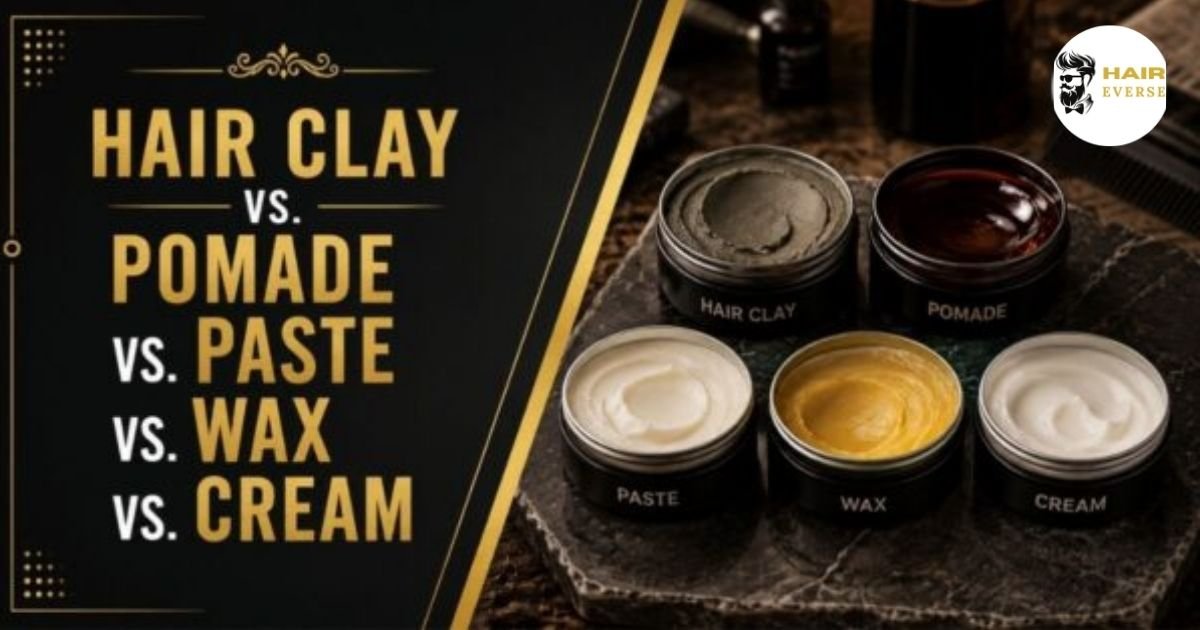
Choosing between Hair Clay vs. Pomade vs. Paste vs. Wax vs. Cream can feel overwhelming when you’re standing in front of a shelf full of options.
The truth is, each product serves a different purpose clay gives a matte, textured finish, pomade delivers shine and slick control, paste offers flexible hold, wax adds definition, and cream works best for natural, low-hold styles. Understanding these differences takes the guesswork out of choosing the right product for your hair type and desired look.
Hair Product Comparison Table
Here are Full explained table with Product Hold Level Finish Best Hair Type Best For.
| Product | Hold Level | Finish | Best Hair Type | Best For |
| Hair Clay | MediumHigh | Matte | Fine to medium thick | Textured crops, quiffs, tousled looks |
| Pomade | High | High shine | Medium to coarse | Slickbacks, side parts, pompadours |
| Hair Paste | Medium | Natural, lowsheen | Fine, medium, coarse | Everyday, versatile textured looks |
| Hair Wax | MediumStrong | Low-to-medium shine | Fine to medium | Longlasting hold with pliability |
| Hair Cream | LightMedium | Natural, no shine | Wavy, curly, coarse | Frizz control, soft definition |
The Five Qualities That Define Any Hair Product like Hair Clay vs. Pomade vs. Paste vs. Wax vs. Cream
Before comparing products directly, it helps to know the five things that actually separate them. These are the same qualities a barber weighs before recommending anything.
- Hold level how firmly the product keeps your style in place, from light and flexible to extra strong.
- Finish how much shine remains after styling, ranging from fully matte to high gloss.
- Texture effect whether the product separates strands for volume or smooths them into a sleek shape.
- Hair type compatibility matching the product’s weight to your hair’s natural weight and density.
- Washability how easily it rinses out, since buildup affects both scalp health and how well the product performs day to day.
Hair Clay
Overview: Hair clay is a moldable styling product, usually built around kaolin or bentonite clay, that creates hold through friction between strands rather than by coating them.
Why It Works: It’s best on fine to medium thick hair, adding volume and separation without any shine, which is why it’s the goto for textured crops, quiffs, and tousled, natural-looking styles.
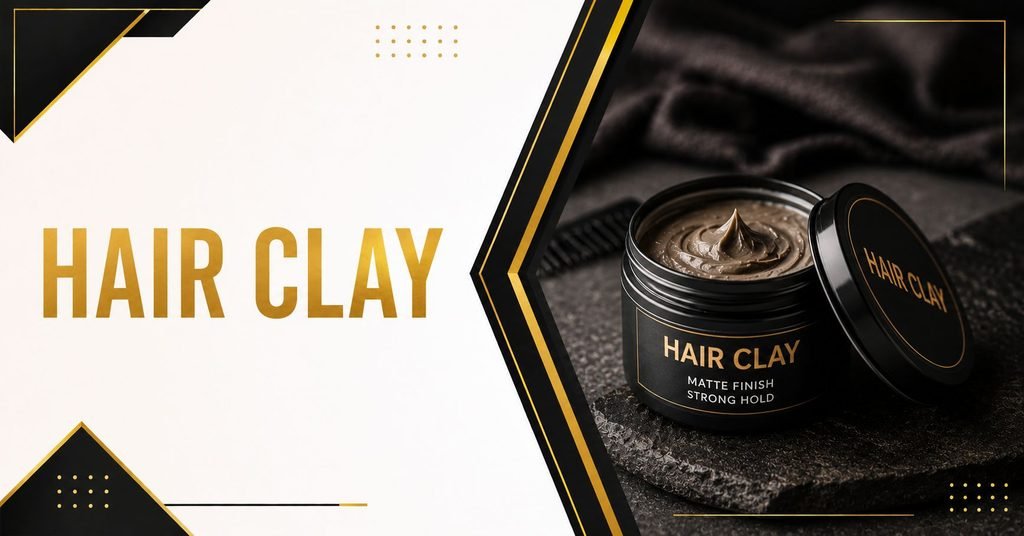
Application Tip: Warm a pea-sized amount between your palms until it’s tacky, then work it through slightly damp hair from roots to ends.
Where It Falls Short: Very coarse or dense hair often needs more clay than is practical, leading to a chalky result, and it won’t give you the sleek shine a side part or slickback needs.
Pomade
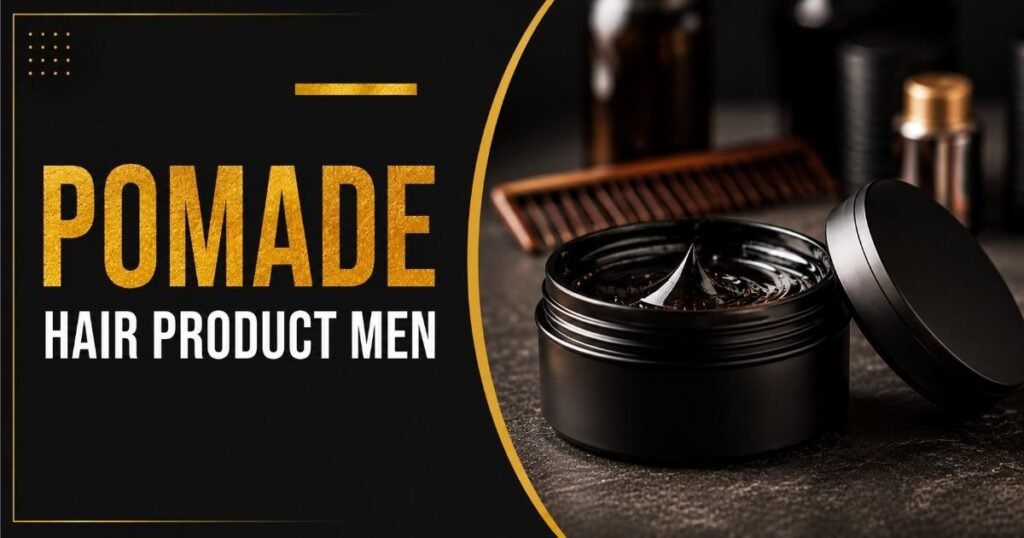
Overview: Pomade is the classic barbershop product, built for sleek, polished looks with strong, lasting hold and a glossy finish.
Why It Works: It performs best on medium to coarse hair, where its weight and shine complement thicker strands, making it the standard choice for slickbacks, side parts, and pompadours.
Application Tip: Water based pomade can be applied to damp or dry hair and reworked later by adding a touch of water; oilbased pomade sets firmer and lasts through more washes.
Where It Falls Short: Fine hair tends to look flat and greasy under pomade, even a lighthold formula, so it’s rarely the right call for thinner strands.
Hair Paste vs clay
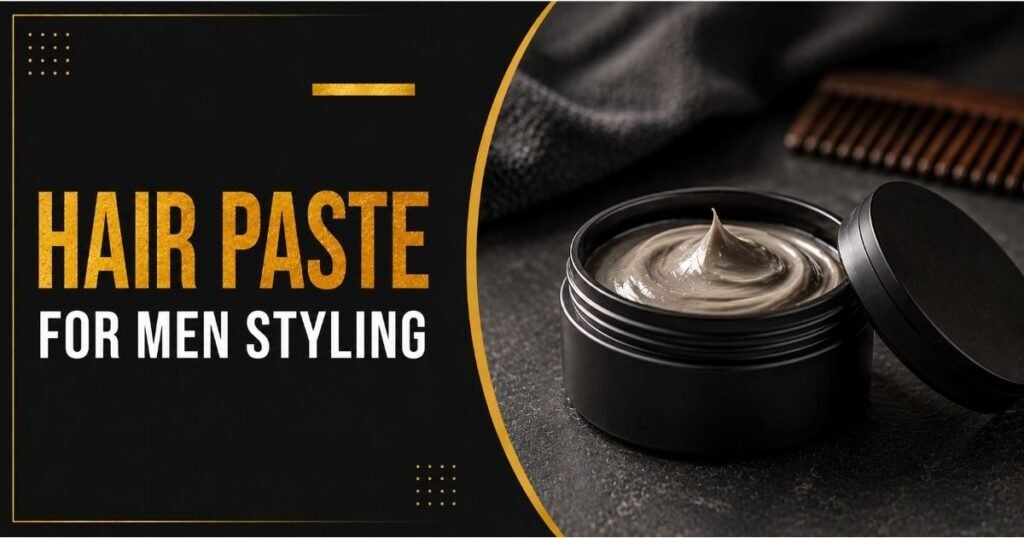
Overview: Hair paste blends waxes and conditioning agents into a versatile, medium hold product that sits between clay’s matte texture and pomade’s shine.
Why It Works: It works across fine, medium, and coarse hair, making it the most adaptable everyday option for guys who want a natural, “put together but not overdone” look.
Application Tip: Emulsify a small amount between your palms and work it through damp or dry hair; damp application gives more flexibility, dry gives cleaner definition.
Where It Falls Short: It won’t match clay’s full matte hold or pomade’s high shine control, so guys chasing an extreme in either direction should look elsewhere.
Hair paste vs Wax
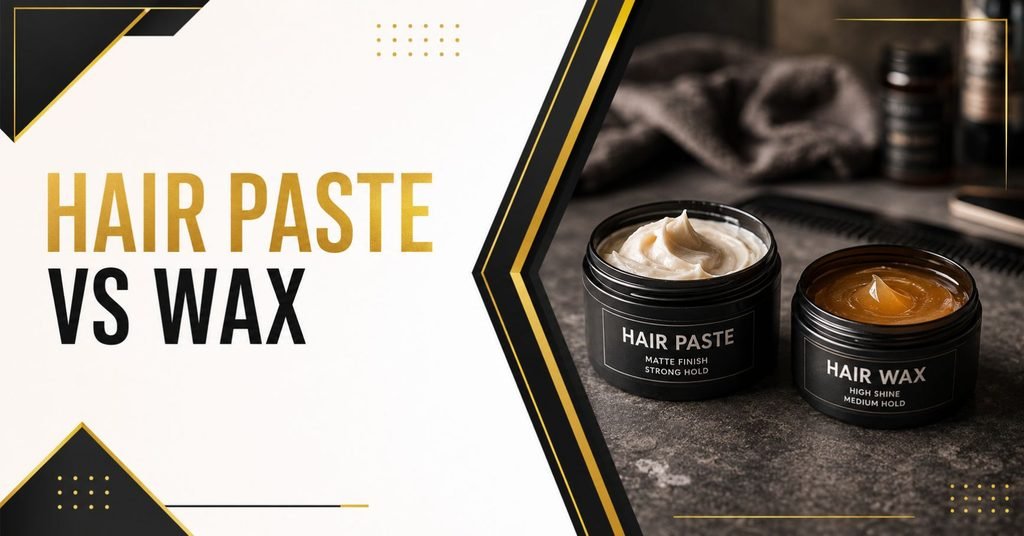
Overview: Hair wax uses beeswax, carnauba wax, or synthetic wax polymers to bond strands together at contact points, giving a hold that’s strong but stays pliable.
Why It Works: It performs best on fine to medium hair, where the bonding mechanism controls strands efficiently without overwhelming lighter hair, delivering all day hold without stiffness.
Application Tip: Warm the wax between your fingers until it softens, then apply section by section to dry or slightly damp hair.
Where It Falls Short: On very coarse or dense hair, wax can struggle to control the full volume, and some formulas resist water, making buildup a concern without regular clarifying washes.
Hair cream vs Paste
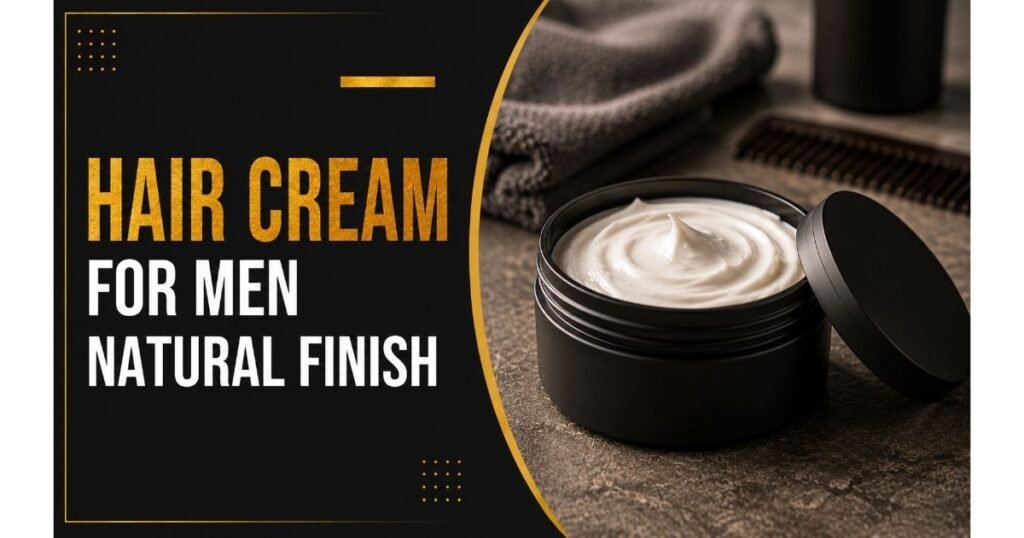
Overview: Hair cream is built on moisturizing ingredients like shea butter or argan oil, coating the hair shaft lightly to smooth frizz rather than building hold through friction or bonding.
Why It Works: It’s a strong match for wavy or curly hair, where frizz control and soft definition matter more than heavy hold, and it also suits color-treated hair that needs gentler products.
Application Tip: Apply to damp, towel-dried hair and either air dry for natural texture or scrunch curls for defined, frizz-free results.
Where It Falls Short: Cream can’t hold a structured style through a demanding day, so it’s the wrong choice for guys who need firm control from morning to night.
Wax vs. Clay: Which Is Better?
Neither one is better across the board; they solve different problems. Clay is the matte specialist, adding volume and separation with zero shine, and it’s the stronger pick for fine-to-medium hair that needs texture without weight. Wax offers more shine and a firmer, longer-lasting hold, and it suits styles that need to stay in place through a demanding day without going stiff. If your priority is a natural, textured look, reach for clay. If your priority is all day holding with a bit of polish, wax is the better call.
Pomade vs. Wax: Which Is Better?
Pomade wins on shine and sleekness; wax wins on pliable, longlasting hold. Pomade is built for slickbacks, side parts, and pompadours where a glossy, controlled finish is the whole point. Wax works better for styles that need strong hold without looking done up, especially on hair that isn’t coarse enough to carry pomade’s weight well. If you’re after a classic, polished look, choose pomade. If you want firm hold that still feels natural, wax is the stronger fit.
Difference Between Pomade and Hair Clay
The core difference is texture effect: pomade smooths and consolidates hair into a sleek shape, while clay separates strands to build volume and texture. Pomade also delivers real shine, where clay stays completely matte. Hair type matters too pomade suits medium to coarse hair, while clay favors fine to medium thick hair. If you want your hair to lie flat and shine, pomade is the product. If you want it to look textured, fuller, and matte, clay wins.
What About Gel?
Gel and pomade sit close together on hold and shine, but they behave differently. Gel forms a hardening film around each strand, which is what creates its glossy, “wet look” finish and its strongest in-class hold. Pomade smooths hair with an emollient coating instead, giving similar shine without the stiff, crunchy feel gel can leave behind. Gel is a strong pick for structured spikes or defining curly hair, but pomade is generally more comfortable for everyday wear and easier to rework throughout the day.
How To Choose The Right Product From Hair Clay vs. Pomade vs. Paste vs. Wax vs. Cream
By Hair Type:
- Fine hair does best with clay or a lightweight paste, since heavier waxes and pomades tend to flatten it.
- Thick or coarse hair can handle pomade or a firm wax, both of which have the weight and hold to manage resistant strands.
- Curly or wavy hair benefits most from cream, which controls frizz without weighing down natural texture.
- Medium hair is the most flexible category, working well with clay, paste, or wax depending on the finish you want.
By Style Goal:
- Textured, natural, no shine: clay or paste
- Sleek, polished, high control: pomade
- Strong hold that stays pliable: wax
- Soft, frizzfree, lowmaintenance: cream
How To Ask Your Barber to Recommend a Product Advice
- Tell your barber your hair type (fine, thick, curly, wavy) up front
- Describe the finish you want: matte, natural, or shiny
- Mention how much daily styling effort you’re willing to put in
- Ask which product they used on your hair during the cut
- Bring up any past product frustrations, like flaking or flatness
- Ask whether layering two products would suit your specific hair better
Recommended Reads
- Low Taper Fade Haircut offers a subtle, close-to-the-skin blend near the ears that tapers gradually for a clean, professional-friendly finish. It’s a versatile option that pairs well with most hair types and top styles, from classic side parts to modern textured crops.
- 75 Fade Haircuts for Black Men: The Complete 2026 Style Guide brings together the season’s sharpest cuts, from low and high fades to skin fades and bold temple designs.
- Hairstyles for Soccer Player Men’s rounds up 40 modern styles built for the pitch, giving you plenty of sharp, practical cuts that stay in place through every match while keeping your look on point off the field.
- Hair Styles for Men rounds up modern styles for a sharp look, covering everything from classic cuts to trend-forward fades and textured crops. Whether you have straight, wavy, curly, or coily hair, this guide breaks down which styles work best for your texture and face shape, giving you plenty of versatile options to bring to your next barber appointment.
- Found Business Banking & QBI Deduction breaks down how Found’s banking platform works alongside the QBI deduction, helping freelancers manage their finances while maximizing eligible tax savings in 2026.
- Crew Cut Hairstyle rounds up 30 modern styles for a sharp look, from classic high-and-tight versions to textured, faded variations that add a bit more personality. Whether you want something low-maintenance for everyday wear or a sharper look for the office.
- Burst Fade Haircuts for Men rounds up 35 modern styles for a sharp look in 2026, giving you plenty of curved, blended fade variations to choose from that suit your hair texture and personal style.
- Big Forehead Hairstyles for Males rounds up 20 cuts for 2026, from fringes and textured bangs to side-swept styles that help balance out a larger forehead. Whether you prefer a longer, layered look or something shorter and low-maintenance.
- Wolf cut vs Shag cut for Men: the wolf cut is edgier and choppier, while the shag cut is softer and easier to maintain. Pick wolf for bold texture, shag for versatile, low-maintenance style.
- Warrior Haircuts for Men: bold fades, sharp crops, and rugged textures deliver fierce, commanding style for 2026.
- Top 50 Professional Hairstyles for Men: these looks blend polish with practicality think crisp side parts, tapered fades, and neatly textured crops that stay sharp from morning meetings to evening events. Perfect for the modern office, each style balances a professional edge with effortless, low-maintenance styling.
- Afro Hairstyles Male: these styles celebrate natural texture and volumizing defined curls, sculpted fades, and bold shapes that bring confidence and personality to every look. From classic rounded afros to modern tapered versions, each style offers a sharp, head-turning finish full of character.
- 15 Taper Fade Styles: these cuts balance length and precisionong, textured hair on top flows into a clean, gradual fade on the sides for a sharp, contrasting look. Versatile and easy to style, they work for both casual and polished occasions.
Product Recommendations At A Glance
Products like: Hair Clay vs. Pomade vs. Paste vs. Wax vs. Cream
Hair Clay
- Best For: Fine to medium hair wanting matte texture and volume
- How To Use: Warm between palms, apply to damp hair, distribute from roots to ends
Pomade vs wax which is better
- Best For: Medium to coarse hair wanting a sleek, high shine finish
- How To Use: Apply to damp or dry hair depending on desired flexibility; waterbased reworks with a touch of water
Hair Paste vs clay
- Best For: Any hair type wanting an everyday, natural, lowsheen look
- How To Use: Emulsify between palms and work through damp or dry hair
Hair paste vs Wax
- Best For: Fine to medium hair wanting strong, pliable, allday hold
- How To Use: Warm between fingers until soft, apply section by section to dry hair
Hair Cream
- Best For: Wavy or curly hair needing frizz control and soft definition
- How To Use: Apply to damp, towel-dried hair and air dry or scrunch for curls
Final Thoughts
Most men don’t struggle with styling because they lack effort they struggle because they’re reaching for a product like Hair Clay vs. Pomade vs. Paste vs. Wax vs. Cream that was never built for their hair type or their goal. Once you match clay, pomade, paste, wax, or cream to your actual hair and the finish you want, the daily routine gets a lot simpler.
Give a new product a fair trial for a week or two before switching again, since small adjustments in amount and technique usually solve more than swapping brands does. If you’re still not sure where to start, bring this comparison to your next barbershop visit and ask which product they’d recommend for your hair.
FAQs
Which product is best for men’s hair?
There’s no universal answer it depends on hair type and finish. Clay suits fine-to-medium hair needing texture, pomade suits coarse hair needing shine, paste works broadly, wax gives pliable hold, and cream suits curly or wavy hair needing frizz control.
Can I use pomade and clay together?
Yes. Many guys apply a small amount of clay first for texture and volume, then a touch of pomade on top for shine and control. Start with less of each than you think you need.
Does hair clay damage hair?
Used correctly, clay doesn’t damage hair. Overuse can lead to buildup on the scalp over time, so wash it out regularly with a proper shampoo to keep both hair and scalp healthy.
Is pomade bad for your hair long term?
Water based pomade is generally fine long term since it washes out easily. Oilbased pomade can build up if not cleared with regular shampooing, which may affect scalp health over time.
How do I remove hair product buildup?
Use a clarifying shampoo once every one to two weeks to strip residue that a regular shampoo leaves behind. Follow with a conditioner, since buildup heavy hair often feels dry afterward.