French Crop Haircut for Men: Modern Styles for a Sharp Look
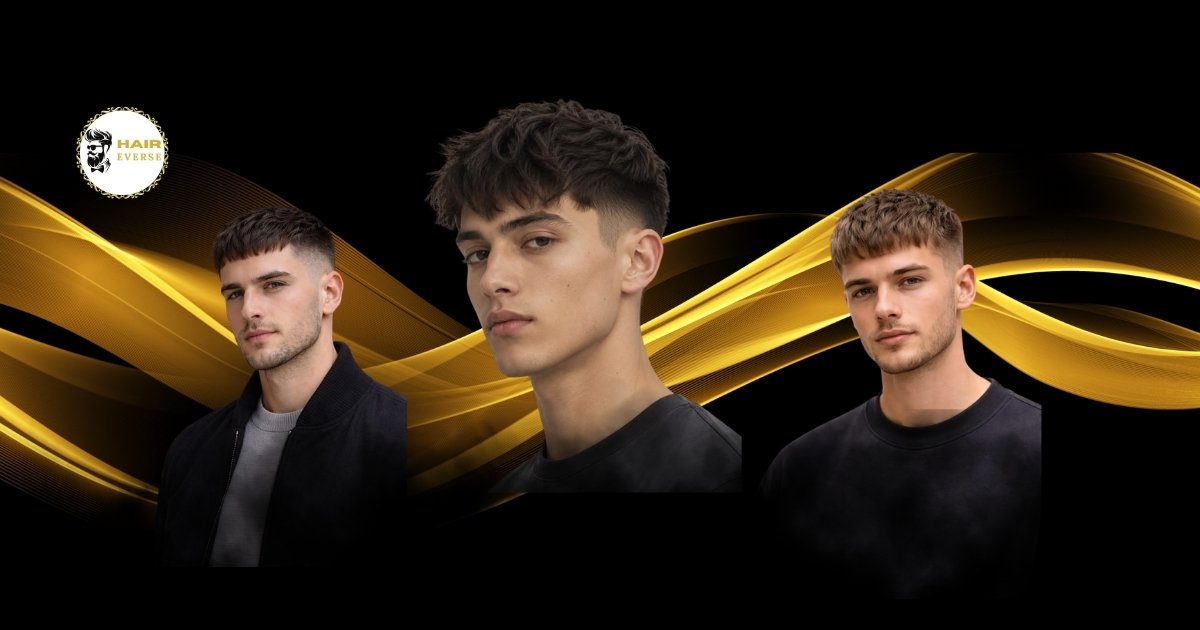
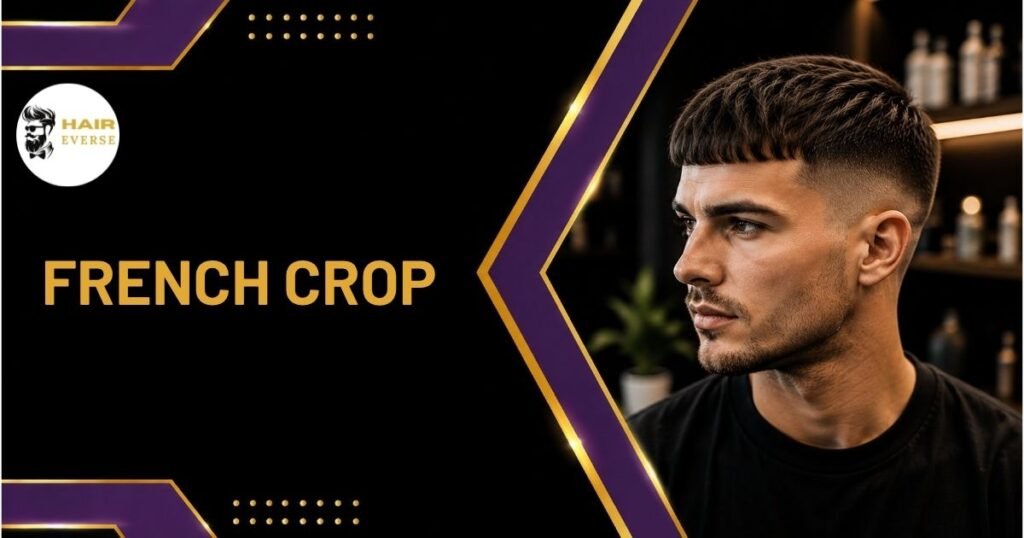
A French crop Haircut is a short men’s haircut with tight, faded or tapered sides and a blunt or textured fringe pushed forward across the forehead.
It’s low-maintenance, works with straight, wavy, curly, and Afro-textured hair, and suits nearly every face shape, making it one of the most versatile modern crops.
The tricky part is that “French crop” means about a dozen different things depending on the fringe length, the fade height, and how your barber shapes the top.
French Crop Haircut Comparison Table
| Hairstyle | Best Hair Type | Face Shape | Maintenance | Styling Time |
| Classic French Crop | Straight, Wavy | Oval, Square | Medium | 5 min |
| French Crop Fade | All types | Oval, Round | Medium | 5–10 min |
| French Crop Low Fade | All types | Oval, Square | Medium | 5 min |
| French Crop Mid Fade | Straight, Thick | Oval, Round | Medium | 5–10 min |
| French Crop High Fade | Thick, Straight | Square, Diamond | Medium | 10 min |
| French Crop Skin Fade | All types | Oval, Round | High | 10 min |
| French Crop with Taper | All types | Oval, Long | Low | 5 min |
| French Crop Low Taper | Fine, Straight | Oval, Heart | Low | 5 min |
| French Crop Undercut | Thick, Straight | Square, Oval | Medium | 10 min |
| Messy French Crop | Wavy, Thick | Oval, Round | Low | 5 min |
| Textured French Crop | All types | Oval, Diamond | Medium | 10 min |
| French Crop with Burst Fade | All types | Oval, Round | Medium | 10 min |
| French Crop with Drop Fade | Thick, Curly | Round, Square | Medium | 10 min |
| French Crop Mullet | Wavy, Thick | Oval, Long | Medium | 10 min |
| Long French Crop | Straight, Wavy | Oval, Diamond | Medium | 10 min |
| Short French Crop | Straight, Fine | Oval, Round | Low | 5 min |
| French Crop for Curly Hair | Curly | Oval, Square | Low | 5–10 min |
| French Crop for Wavy Hair | Wavy | Oval, Heart | Low | 5 min |
| French Crop for Straight Hair | Straight | Oval, Long | Medium | 5–10 min |
| French Crop for Thick Hair | Thick | Square, Oval | Medium | 10 min |
| French Crop for Thin Hair | Fine, Thin | Round, Oval | Low | 5 min |
| French Crop for Black Men | Coily, Afro | Oval, Round | High | 10 min |
| Modern Low Fade French Crop for Black Men | Coily, Afro | Oval, Square | Medium | 10 min |
| French Crop with Shape-Up | All types | Oval, Square | High | 5 min |
| French Crop Receding Hairline | All types | Oval, Long | Medium | 5–10 min |
| French Crop with Beard | Thick, Wavy | Square, Oval | Medium | 10 min |
| French Crop with Highlights | All types | Oval, Round | Medium | 10 min |
| French Crop Quiff | Straight, Wavy | Oval, Diamond | Medium | 10 min |
| French Crop with Side Part | Straight | Square, Oval | Low | 5 min |
| French Crop with Hard Part | All types | Oval, Square | Medium | 5–10 min |
| French Crop Buzzed Sides | All types | Oval, Diamond | Low | 5 min |
| French Crop with Long Fringe | Straight, Wavy | Oval, Long | Medium | 10 min |
| French Crop with Micro Fringe | Fine, Thin | Round, Oval | Low | 5 min |
| French Crop Blowout Taper | Thick, Wavy | Oval, Round | Medium | 10 min |
| French Crop for Men Over 30 | All types | Oval, Square | Medium | 5–10 min |
Haircuts and Styling Guide
This guide breaks down 35 real French crop variations for men aged 18 to 40, including dedicated options for curly, thick, thin, and Afro-textured hair, plus exactly how to describe the cut to your barber.
Classic French Crop Haircut
- Overview: The original blueprint: a blunt, straight fringe just above the brows, tight sides, and a top that stays close to the head with minimal texture.
- Why It Works: It suits straight or slightly wavy hair best, and works across oval and square face shapes since the clean fringe line adds structure without extra bulk.
- Styling Tip: Apply a small amount of matte paste to slightly damp hair and push it forward toward the fringe with your palm, rather than combing it.
- Maintenance: Trim every 3–4 weeks to keep the fringe blunt and the sides from growing shaggy. Maintenance and styling times are estimates and may vary by hair type.
French Crop Fade
- Overview: The classic crop shape paired with a graduated fade on the sides, adding contrast without changing the fringe or top length.
- Why It Works: Works across nearly every hair type, and the fade height can be adjusted to suit round or oval faces depending on how much contrast you want.
- Styling Tip: Use a texture clay on the top section only, working it in with your fingers to keep separation without touching the faded sides.
- Maintenance: Fades grow out fastest, so book a touch-up every 3 weeks to keep the line crisp. Maintenance and styling times are estimates and may vary by hair type.
French Crop Low Fade
- Overview: The fade starts just above the ear, keeping most of the side length intact for a subtler transition than a mid or high fade.
- Why It Works: This is the safest fade option for first-timers and works well across almost every face shape, since the low starting point keeps things understated.
- Styling Tip: Blow-dry the fringe forward using a vent brush, then set with a light-hold molding paste so the shape lasts through the day.
- Maintenance: A low fade holds its shape a bit longer than higher fades, so a 4-week trim schedule usually works. Maintenance and styling times are estimates and may vary by hair type.
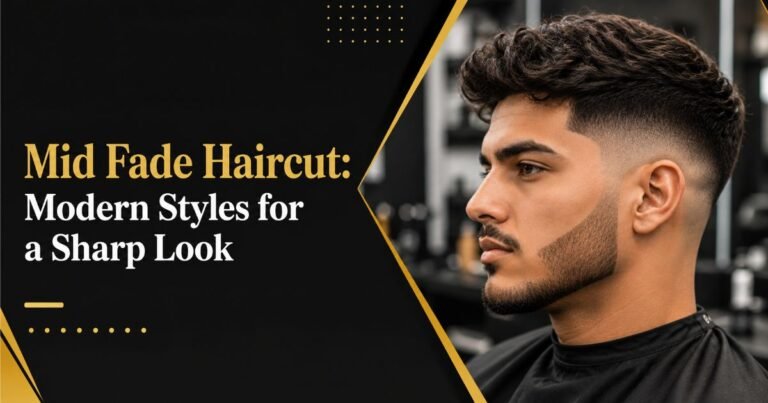
French Crop Mid Fade
- Overview: The fade begins around temple height, creating noticeably more contrast against the top than a low fade while still reading as versatile.
- Why It Works: Suits oval and round face shapes especially well, since the added contrast draws the eye upward and balances a fuller jawline.
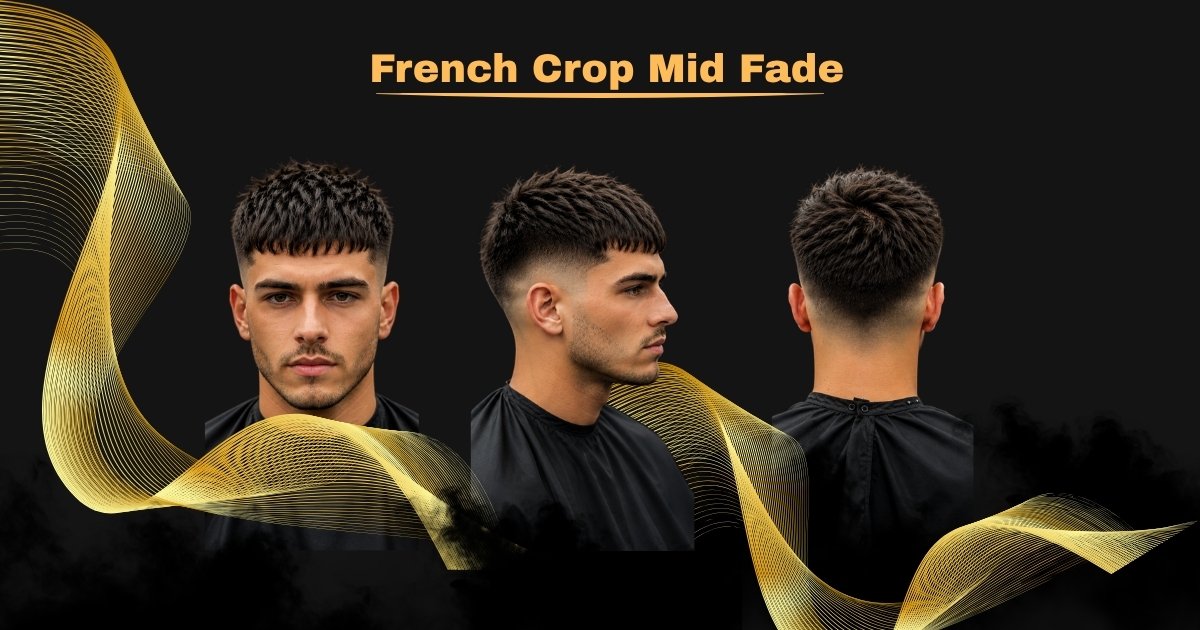
- Styling Tip: Apply styling cream to the fringe and blow-dry it downward for control, keeping the faded sides untouched by product.
- Maintenance: Touch up every 3 weeks to keep the fade line from blending back into the longer top. Maintenance and styling times are estimates and may vary by hair type.
French Crop High Fade
- Overview: A dramatic fade that starts high on the head, leaving maximum contrast between the skin-close sides and the textured, blunt-fringed top.
- Why It Works: Works best on thick or straight hair, and suits square or diamond face shapes that can carry the sharper, more structured silhouette.
- Styling Tip: Use texturizing clay to build volume at the crown, then blow-dry the fringe forward for definition against the closely faded sides.
- Maintenance: High fades need touch-ups every 2–3 weeks to stay sharp, more often than lower fade versions. Maintenance and styling times are estimates and may vary by hair type.
French Crop Haircut Skin Fade
- Overview: The sides fade all the way down to bare skin, creating the sharpest possible contrast against a flat, textured, or blunt-fringed top.
- Why It Works: Works on any hair type and suits oval or round faces particularly well, since the clean skin line adds definition around the whole head.
- Styling Tip: Use a small amount of molding paste on the top only, pressing rather than raking it through to preserve the blunt fringe shape.
- Maintenance: Skin fades need a touch-up every 2 weeks to avoid a visible grow-out line at the sides. Maintenance and styling times are estimates and may vary by hair type.
French Crop with Taper
- Overview: Instead of fading to skin, the sides taper gradually down to a shorter length that never quite reaches zero, giving a softer transition.
- Why It Works: This is the most natural-growing option and suits nearly any hair type or face shape, especially for guys who can only get to the barber every 5–6 weeks.
- Styling Tip: Towel-dry and apply a lightweight pomade to the fringe, combing it forward for a neat, low-effort finish.
- Maintenance: Tapers hold their shape for 5–6 weeks, longer than any fade option on this list. Maintenance and styling times are estimates and may vary by hair type.
French Crop Low Taper
- Overview: An even subtler taper that barely changes length around the neckline and ears, keeping the whole silhouette close to one length.
- Why It Works: Works best on fine or straight hair and flatters oval or heart-shaped faces without adding sharp contrast.
- Styling Tip: Use a diffuser attachment on low heat while shaping the fringe forward with your fingers for soft, natural movement.
- Maintenance: This is one of the lowest-maintenance versions on the list, holding its shape for 6 weeks before needing a trim. Maintenance and styling times are estimates and may vary by hair type.
French Crop Undercut
- Overview: The sides are cut short and sharply disconnected from the top, creating a harder line than a blended fade or taper.
- Why It Works: Thick or straight hair holds this shape especially well, and it suits square or oval faces that can carry the stronger contrast.
- Styling Tip: Apply a stronger-hold pomade to the top section, pushing the fringe forward to emphasize the disconnect from the shorter sides.
- Maintenance: Rebuzz the undercut every 3 weeks while the top can go 5–6 weeks between trims. Maintenance and styling times are estimates and may vary by hair type.
Messy French Crop
- Overview: The blunt fringe line is swapped for looser, choppier texture on top, giving a deliberately undone finish while the sides stay clean.
- Why It Works: Wavy or thick hair falls into this look naturally, and it suits oval, round, or square faces since the softer fringe eases sharper lines.
- Styling Tip: Scrunch a light sea salt spray through damp hair and let it air-dry without brushing, keeping the texture loose rather than sculpted.
- Maintenance: Because the messy texture hides grow-out well, a 5-week trim schedule is usually enough. Maintenance and styling times are estimates and may vary by hair type.
Textured French Crop Haircut
- Overview: Point-cutting adds visible texture through the fringe and crown, breaking up the usually blunt line into a choppier, more broken shape.
- Why It Works: Works across most hair types and suits diamond or oval faces especially well, since the broken texture softens angular features.
- Styling Tip: Rub texturizing clay between your palms and press it through dry hair section by section to keep the choppy pieces defined.
- Maintenance: Trim every 4 weeks to keep the textured ends from splitting further and looking unintentional. Maintenance and styling times are estimates and may vary by hair type.
French Crop with Burst Fade
- Overview: The fade curves around and behind the ear instead of running in a straight line, adding a more sculpted, sophisticated detail to the sides.
- Why It Works: Works well on any hair type and gives a more elevated finish for men who want extra detail without changing the overall crop silhouette.
- Styling Tip: Use a blow dryer on medium heat to add volume at the crown, then finish with texturizing clay for hold that won’t collapse the shape.
- Maintenance: The curved fade line needs a touch-up every 3 weeks to keep its precise shape. Maintenance and styling times are estimates and may vary by hair type.
French Crop with Drop Fade
- Overview: The fade line drops lower behind the ear, following the curve of the head rather than staying level, for a more dynamic shape.
- Why It Works: Works especially well on thick or curly hair, since the dropped line adds visual movement that complements natural texture on top.
- Styling Tip: Blow-dry the fringe forward first, then apply texture clay to lock the crown’s volume in place before it has a chance to settle.
- Maintenance: Touch up every 3 weeks to maintain the curved fade line as it grows out unevenly faster than a straight one. Maintenance and styling times are estimates and may vary by hair type.
French Crop Mullet
- Overview: The classic short fringe and tight sides stay put up front, while the back is left to grow into a casual, longer mullet shape.
- Why It Works: Wavy or thick hair carries the length at the back well, and it suits oval or longer face shapes that can handle the added volume behind.
- Styling Tip: Blow-dry the top forward with a round brush, then shape the back separately with molding paste for hold and movement.
- Maintenance: Trim only the fringe and sides every 4 weeks, letting the back grow out for the full mullet effect. Maintenance and styling times are estimates and may vary by hair type.
Long French Crop
- Why It Works: Suits straight or wavy hair best, and oval, diamond, or long face shapes benefit from the extra fringe length balancing a taller forehead.
- Styling Tip: Use a lightweight texturizing cream on damp hair, scrunching it in before letting it air-dry to avoid a stiff, overly styled finish.
- Maintenance: Because there’s more length to manage, plan trims every 5 weeks to keep the fringe from falling into your eyes. Maintenance and styling times are estimates and may vary by hair type.
Short French Crop Haircut
- Overview: A more compact take with a shorter fringe sitting higher on the forehead and tighter texturing throughout the top, closer to a Caesar-style crop.
- Why It Works: Works on straight, wavy, or tightly curled hair, and suits round or oval faces since the higher fringe line adds definition.
- Styling Tip: Use a small amount of texture powder at the roots for lift, then press the fringe forward with your fingertips rather than a brush.
- Maintenance: The shorter length grows out fast, so plan on trims every 3 weeks to keep the shape sharp. Maintenance and styling times are estimates and may vary by hair type.
French Crop for Curly Hair
- Overview: The top keeps enough length to let curls show their natural pattern, while the sides stay tightly faded for contrast and control.
- Why It Works: Built specifically around natural curl texture, and works well on oval, square, or heart-shaped faces where the fringe frames the forehead.
- Styling Tip: Apply a curl-defining cream to soaking-wet hair, then diffuse on low heat instead of brushing, which would break up the curl pattern.
- Maintenance: Curls disguise grow-out well, so a 5–6 week trim schedule usually holds the shape fine. Maintenance and styling times are estimates and may vary by hair type.
French Crop for Wavy Hair
- Overview: The natural wave pattern is left mostly untouched on top, giving the fringe a soft, textured movement instead of a blunt, flat line.
- Why It Works: Requires very little daily effort since waves already add body, and it suits oval or heart-shaped faces well.
- Styling Tip: Work a texturizing spray through damp hair and let it air-dry, occasionally scrunching to encourage natural clumping.
- Maintenance: A 5-week trim cycle keeps the wave pattern visible without letting the fringe get too heavy. Maintenance and styling times are estimates and may vary by hair type.
French Crop for Straight Hair
- Overview: Straight hair gives the cleanest, sharpest version of the blunt fringe, since there’s no natural texture to soften the line.
- Why It Works: This hair type shows off the crop’s structure most clearly, suiting oval and long face shapes that can carry sharper definition.
- Styling Tip: Apply styling cream while blow-drying the fringe forward and down for a smooth, controlled finish with light shine.
- Maintenance: Straight hair grows-out fastest at the fringe, so trim every 3–4 weeks. Maintenance and styling times are estimates and may vary by hair type.
French Crop for Thick Hair
- Overview: Extra layering and point-cutting remove bulk from the crown while keeping enough density up front to shape a strong fringe.
- Why It Works: Thick hair holds this shape especially well without collapsing, and it suits square or oval face shapes that can handle the added volume.
- Styling Tip: Use a lightweight clay rather than a heavy pomade, since thick hair already has a natural body and doesn’t need much added weight.
- Maintenance: Book trims every 4 weeks so the layers stay separated instead of merging back into one dense mass. Maintenance and styling times are estimates and may vary by hair type.
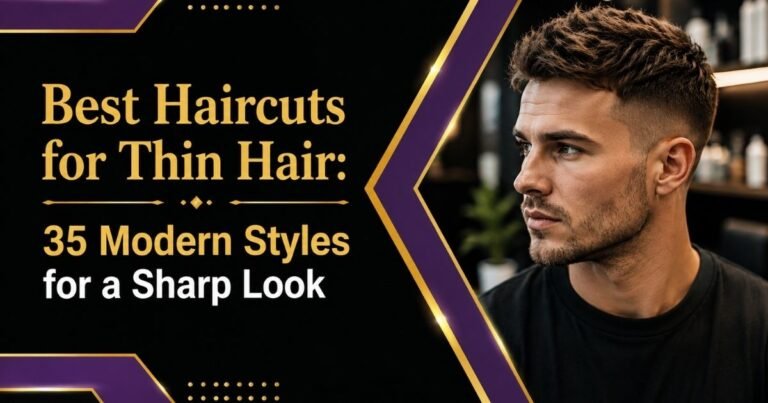
French Crop for Thin Hair
- Overview: Choppy layers are cut to build lift and the illusion of density, especially through the crown and fringe where thin hair usually falls flat.
- Why It Works: The added texture creates fuller-looking hair without extra bulk, and it suits round or oval faces particularly well.
- Styling Tip: Use a lightweight volumizing mousse at the roots before blow-drying upward, which lifts hair away from the scalp.
- Maintenance: Ask your barber to avoid thinning shears and stick to point-cutting, refreshing the shape every 5 weeks. Maintenance and styling times are estimates and may vary by hair type.
French Crop for Black Men
- Overview: Coily or Afro-textured hair is cropped short on top and shaped into a sharp fringe line, paired with a close fade or line-up at the sides.
- Why It Works: Coily hair holds its own shape and volume naturally, making the top easy to manage daily, and it suits oval or round face shapes especially well.
- Styling Tip: Use a curl-defining cream or edge control on damp hair to shape the fringe, then let it air-dry rather than brushing it flat.
- Maintenance: The hairline and fade need a touch-up every 1–2 weeks to keep the sharp shape-up looking fresh. Maintenance and styling times are estimates and may vary by hair type.
Modern Low Fade French Crop for Black Men
- Overview: A softer, more understated version that pairs coily top texture with a subtle low fade instead of a sharp skin fade, for an everyday-wearable finish.
- Why It Works: Suits thick, coily hair types well and works across oval, square, and round face shapes without demanding constant touch-ups.
- Styling Tip: Apply a lightweight curl cream to damp hair to define the top’s natural pattern, avoiding heavy oils that can weigh curls down.
- Maintenance: The lower fade holds its line longer than a skin fade, so a 3-week touch-up schedule works well. Maintenance and styling times are estimates and may vary by hair type.
French Crop with Shape-Up
- Overview: An unguarded razor is used to cut a crisp, defined line around the hairline and fringe, adding maximum sharpness to the crop’s edges.
- Why It Works: Works on any hair type but is especially popular on thicker or coily textures, and suits square or oval face shapes that benefit from the added structure.
- Styling Tip: Keep styling minimal here, since the sharp line does most of the visual work; a small amount of light pomade on top is usually enough.
- Maintenance: The line needs edging every 1–2 weeks to stay crisp, even between full haircut appointments. Maintenance and styling times are estimates and may vary by hair type.
French Crop Receding Hairline
- Overview: A short fringe is pushed forward to visually soften a receding hairline, while the sides stay very short and blend smoothly into the top.
- Why It Works: Works on any hair type and suits oval or long face shapes especially well, since the forward fringe adds the illusion of density at the front.
- Styling Tip: Blow-dry the fringe forward using your fingers, then apply a small amount of molding paste to keep it in place without looking stiff.
- Maintenance: Keep the fringe trimmed every 4 weeks so it stays thick enough to do its job of softening the hairline. Maintenance and styling times are estimates and may vary by hair type.
French Crop with Beard
- Overview: A full or stubble beard is paired with the crop’s sharp top and fade, blending the two into one clean, cohesive shape.
- Why It Works: Works especially well on square or oval faces, where the beard adds structure that balances the shorter, cropped hair on top.
- Styling Tip: Use a separate beard oil for the facial hair and a matte clay for the top, so the two textures stay distinct rather than blending together.
- Maintenance: Trim the beard weekly and the crop every 4 weeks to keep both elements looking maintained together. Maintenance and styling times are estimates and may vary by hair type.
French Crop with Highlights
- Overview: Subtle foil highlights are added through the fringe and crown, giving the crop’s texture more visual dimension.
- Why It Works: Works on any hair type, and the added contrast helps the blunt or textured fringe stand out more clearly, especially in photos.
- Styling Tip: Use a color-safe styling cream instead of an oil-based pomade, since oils can dull the vibrancy of the highlighted sections.
- Maintenance: Touch up color every 6–8 weeks alongside your regular trim to avoid visible root regrowth. Maintenance and styling times are estimates and may vary by hair type.
French Crop Quiff
- Overview: The top is left slightly longer and brushed upward into a soft quiff, while the sides stay tapered or faded for a cleaner base.
- Why It Works: Suits straight or wavy hair best, and oval or diamond face shapes benefit from the added height without overwhelming the fringe.
- Styling Tip: Blow-dry the front section upward using a round brush, then set with styling cream for hold that still moves naturally.
- Maintenance: Trim every 4–5 weeks to keep the quiff from growing too heavy to hold its lift. Maintenance and styling times are estimates and may vary by hair type.
French Crop with Side Part
- Overview: A defined side part replaces the usual forward-pushed fringe, giving a more traditional, office-friendly take on the crop.
- Why It Works: Straight hair holds a side part cleanly, and square or oval faces both suit the slightly asymmetrical framing it creates.
- Styling Tip: Comb hair to one side while damp and apply a light-hold pomade to keep the part defined without looking greasy by midday.
- Maintenance: A 4-week trim cycle keeps the part and fringe looking intentional rather than overgrown. Maintenance and styling times are estimates and may vary by hair type.
French Crop Haircut with Hard Part
- Overview: A shaved line is cut directly into the side part, adding a sharp graphic detail that separates the top from the faded sides.
- Why It Works: Works well on straight or thick hair, and suits oval or square face shapes that can carry the added visual structure.
- Styling Tip: Comb hair away from the hard part line while damp, then set with a light pomade so the part stays crisp through the day.
- Maintenance: The hard part line needs refreshing every 2 weeks, even if the rest of the crop waits longer. Maintenance and styling times are estimates and may vary by hair type.
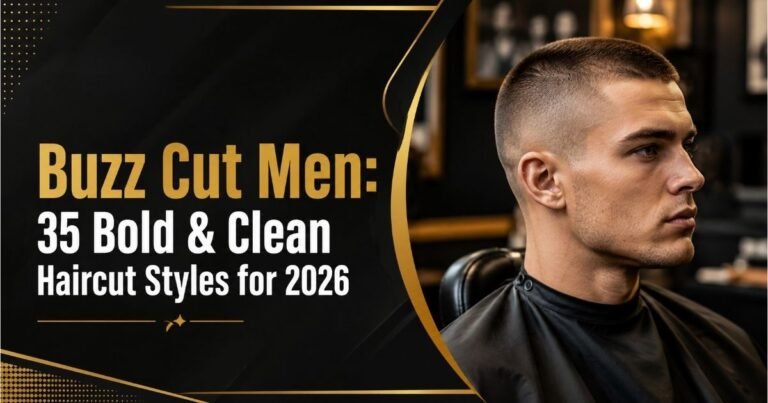
French Crop Buzzed Sides
- Overview: The sides are buzzed to a short, even length using clippers rather than faded or tapered, keeping all the visual focus on the fringe.
- Why It Works: Works on any hair type and is one of the lowest-maintenance ways to wear a French crop, since there’s little to style below the fringe.
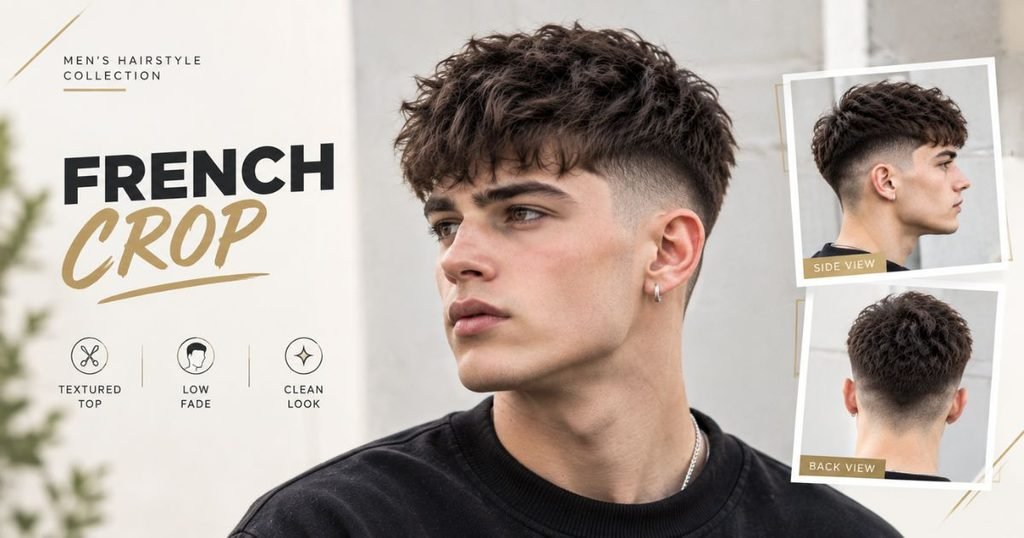
- Styling Tip: Focus all product on the top section, using a texture clay to keep the fringe separated against the buzzed sides.
- Maintenance: Rebuzz the sides every 3 weeks to keep the contrast against the fringe looking clean. Maintenance and styling times are estimates and may vary by hair type.
French Crop with Long Fringe
- Overview: The fringe is left longer than a classic crop, falling forward over the forehead in soft, loose pieces instead of a tight, blunt line.
- Why It Works: Suits straight or wavy hair and works on oval or long face shapes, where the extra fringe length balances a taller forehead.
- Styling Tip: Blow-dry the fringe forward with your fingers, then use a small amount of molding paste to control flyaways without stiffening the shape.
- Maintenance: Trim the fringe every 4 weeks to keep it out of your eyes while letting the rest of the crop go longer between visits. Maintenance and styling times are estimates and may vary by hair type.
French Crop with Micro Fringe
- Overview: A very short, barely-there fringe sits high on the forehead, giving the most minimal and low-key version of the classic crop shape.
- Why It Works: Works especially well for men with fine hair or early thinning, since the shorter fringe reads as intentional rather than sparse.
- Styling Tip: Use a texture powder at the roots for subtle lift, pressing the micro fringe forward with your fingertips.
- Maintenance: This version grows out fastest of all, so plan on trims every 3 weeks. Maintenance and styling times are estimates and may vary by hair type.
French Crop Blowout Taper
- Overview: The top is blow-dried up and out for extra volume and airiness, while the sides taper gradually rather than fading sharply.
- Why It Works: Works well on thick or wavy hair, and suits oval or round faces that benefit from the added height and softness.
- Styling Tip: Blow-dry with a diffuser attachment while lifting sections at the roots, then shape the fringe forward with your fingers for loose control.
- Maintenance: Trim every 4–5 weeks to keep the taper from losing its gradual blend. Maintenance and styling times are estimates and may vary by hair type.
French Crop for Men Over 30
- Overview: A slightly more restrained version with a shorter fringe and a low taper instead of a bold skin fade, reading as polished rather than trend-driven.
- Why It Works: Works on any hair type and suits professional settings well, while still carrying the crop’s clean, low-maintenance appeal.
- Styling Tip: Use a cream-based product with light shine rather than a fully matte finish, which tends to read more polished in office settings.
- Maintenance: Book trims every 4 weeks to keep the shape looking deliberate rather than overgrown. Maintenance and styling times are estimates and may vary by hair type.
How To Choose The Right Hairstyle?
Picking the right French crop comes down to your hair type and face shape.
By Hair Type
- Straight hair: Shows off the sharpest, cleanest fringe line. Try the Classic French Crop or French Crop for Straight Hair.
- Wavy hair: Naturally low-maintenance. The French Crop for Wavy Hair or Messy French Crop work with minimal daily effort.
- Curly hair: Layers should follow the curl pattern instead of fighting it. The French Crop for Curly Hair is built exactly for this.
- Thick hair: Handles heavier layering well. Look at the French Crop for Thick Hair or French Crop Undercut.
- Thin or fine hair: Needs layers that build lift. Try the French Crop for Thin Hair or French Crop with Micro Fringe.
- Coily or Afro-textured hair: Holds volume and shape naturally on top. The French Crop for Black Men or Modern Low Fade French Crop for Black Men are built around this texture.
By Face Shape
- Oval: The most flexible shape. Nearly any version on this list works well.
- Round: A higher fringe with more height adds definition. The French Crop Mid Fade or French Crop Quiff work best.
- Square: Softer, textured fringes ease a strong jawline without hiding it. Try the Textured French Crop or French Crop Undercut.
- Long: Extra fringe length balances a taller forehead. The Long French Crop or French Crop with Long Fringe are the clearest match.
- Heart or diamond: A fuller fringe narrows a wider forehead. Look at the French Crop Receding Hairline or French Crop with Shape-Up.
For More Hairstyles
- Looking for a cleaner and more versatile fade? The Low Taper Fade Haircut offers a subtle, polished finish that works with almost every hair type and face shape.
- A stylish haircut deserves the right beard to match. Explore the best beard and haircut combos to create a balanced, sharp, and well-groomed look.
- Want a cleaner finish? Explore the best beard fade styles to blend your beard seamlessly with your haircut for a sharp, modern look.
How To Ask Your Barber?
Getting a French crop right the first time comes down to describing three separate parts of the cut clearly:
- Bring reference photos from a few different angles, since barbers interpret “short” differently.
- Specify your fringe length and shape separately from the sides, since a French crop lives or dies by the fringe.
- Name your fade or taper height clearly, such as “low fade” or “taper, not faded to skin,” to avoid getting more contrast than you wanted.
- Mention your daily styling routine so your barber can shape the top to match how much effort you’re willing to put in.
- Ask about maintenance frequency upfront, especially if you’re choosing a skin fade or shape-up version.
- Confirm the final shape before cutting begins, particularly around fringe length and hairline detail.
Product Recommendations
Maintaining Haircuts needs best Hair care routine, This Guide will help you understand your hair type and styling guide…
Hair Cream
- Best For: Fine or thin hair needing light hold without stiffness.
- How To Use: Warm a small amount between palms and work through damp hair, focusing on the fringe and crown.
Pomade
- Best For: Straight or thick hair that needs shine and structured hold.
- How To Use: Apply to dry hair in small amounts, building up gradually to avoid a greasy finish.
Wax
- Best For: Defining a blunt or textured fringe with a matte finish.
- How To Use: Rub between fingertips until slightly melted, then press into the fringe rather than combing it through.
Clay
- Best For: Thick or wavy hair needing strong hold with zero shine.
- How To Use: Apply to towel-dried hair and work through the crown and fringe first, where the shape matters most.
Shampoo
- Best For: Removing product buildup without stripping natural texture.
- How To Use: Use 2–3 times weekly rather than daily to preserve the natural oils that help the fringe hold its shape.
Conditioner
- Best For: Curly or coily hair types prone to dryness between washes.
- How To Use: Apply to mid-lengths and ends only, avoiding the roots to prevent flatness at the crown.
Final Thoughts
A French crop earns its staying power because it does the hard work in the cut itself. Once the fringe and fade are shaped correctly, there’s very little left to fuss over each morning, whether you’re 19 or 39, and whether your hair is straight, curly, or coily.
If you’re not sure where to start, pick a version from this list that matches your hair type first, then narrow it down by face shape and how sharp a fade you actually want to maintain. Bring a clear photo to your barber, walk through the fringe, taper, and fade questions above, and don’t be afraid to ask for a softer or sharper line than you’d normally request. That’s how you get a crop that actually fits how you live.
FAQs
How is a French crop different from a Caesar cut?
Both feature a short, forward fringe, but a Caesar cut sits higher on the forehead with a straighter, more uniform length throughout. A French crop typically pairs its fringe with more contrast at the sides, like a fade or taper.
How often do you need to get a French crop trimmed?
Skin fade versions need a touch-up every 2–3 weeks. Taper or low fade versions can go 4–6 weeks between trims, since there’s less contrast to maintain as it grows.
Can men with thick hair pull off a French crop?
Yes. Thick hair is one of the best textures for this cut, since it holds natural volume and shape at the crown. A barber can remove bulk with point-cutting so the fringe stays defined.
Is the French crop low maintenance?
The cut itself is easy to style day-to-day, but skin fades and shape-ups need frequent barber visits to stay sharp. Taper and low-fade versions are the lowest-upkeep options overall.
What products should I use for a French crop?
Matte clay or paste works for most versions, adding hold without shine. For messy or textured crops, a light sea salt spray on damp hair before air-drying gives natural texture with less effort.