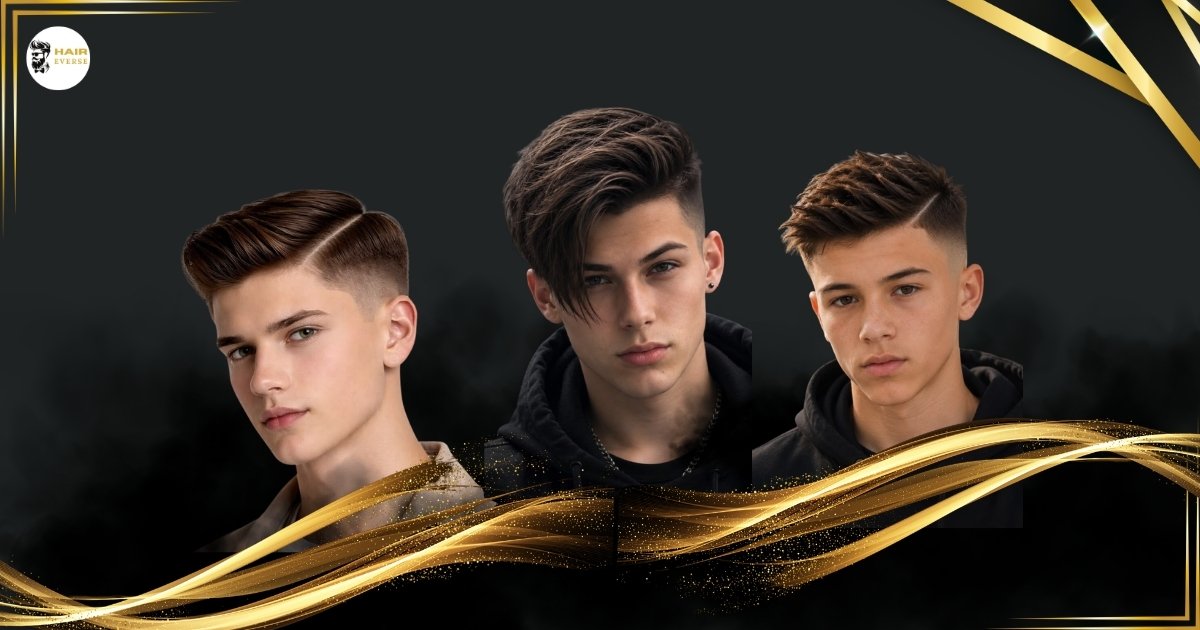
Haircuts for Teenage Guys: 42 Trendy & Cool Styles
The best Haircuts for Teenage Guys combine modern style with easy maintenance, making them ideal for school, sports, and everyday life. Choosing a haircut that suits your hair type, face shape, and routine ensures it stays stylish with minimal effort.
Haircuts for Teenage Guys Guide Table
This guide features 35 trending Haircuts for Teenage Guys for 2026, including fades, textured crops, mullets, and other popular styles, along with practical styling tips and maintenance advice to help you find the perfect look.
| Hairstyle | Best Hair Type | Face Shape | Maintenance | Styling Time |
| Low Taper Fade with Textured Top | Wavy, Straight | Oval, Square | Medium | 5-10 min |
| Modern Mullet with Fade | Straight, Wavy | Oval, Long | Medium | 10 min |
| Long on Top Undercut | Straight, Wavy | Oval, Long | High | 12 min |
| Curtain Fringe Fade | Straight, Wavy | Oval, Heart | Medium | 8 min |
| Messy Textured Crop | All Types | Round, Oval | Low | 5 min |
| Ivy League with Taper | Straight, Wavy | Oval, Square | Low | 5 min |
| Side Part Skin Fade | Straight, Wavy | Oval, Round | Medium | 6 min |
| Wolf Cut Shag | Wavy, Thick | Round, Oval | Medium | 10 min |
| French Crop Fade | Straight, Thick | Oval, Square | Low | 5 min |
| Long Top Comb Over | Straight, Wavy | Oval, Square | Medium | 8 min |
| Buzz Cut with Skin Fade | All Types | Round, Square | Low | 2 min |
| Faux Hawk Taper | Straight, Wavy | Oval, Long | Medium | 10-12 min |
| Two Block Cut | Straight, Wavy | Round, Oval | Medium | 8 min |
| Hard Part Pompadour | Straight, Thick | Oval, Long | High | 10 min |
| Curly Top Burst Fade | Curly, Coily | Round, Oval | Medium | 8 min |
| Slicked Back Undercut | Straight, Wavy | Oval, Square | High | 10 min |
| Textured Quiff Fade | Straight, Wavy | Round, Square | Medium | 10 min |
| Edgar Cut | Straight, Thick | Square, Oval | Medium | 6 min |
| Middle Part Long Top | Straight, Wavy | Oval, Heart | Medium | 8 min |
| Shaggy Layers with Low Fade | Wavy, Curly | Oval, Round | Low | 5 min |
| High Fade Spikes | Straight, Thick | Round, Square | Medium | 10 min |
| Drop Fade Pompadour | Straight, Wavy | Oval, Long | High | 12 min |
| Long Top Fade with Line Up | Straight, Wavy | Oval, Square | Medium | 8 min |
| Crew Cut Taper | All Types | Round, Square | Low | 3 min |
| Tapered Afro | Coily, Curly | Oval, Round | Medium | 10 min |
| Perm Curls with Fade | Straight, Wavy (permed) | Round, Oval | High | 10 min |
| Angular Fringe | Straight, Wavy | Oval, Square | Medium | 6 min |
| Mohawk Fade | Straight, Thick | Oval, Long | High | 10 min |
| Bro Flow | Wavy, Straight | Oval, Long | Medium | 8 min |
| Surfer Waves | Wavy, Curly | Oval, Round | Low | 6 min |
| Blowout Taper | Straight, Wavy | Oval, Square | Medium | 10 min |
| Caesar Cut | Straight, Thick | Round, Square | Low | 3 min |
| Long Layered Flow | Wavy, Curly | Oval, Round | Low | 6 min |
| Skin Fade Comb Over | Straight, Wavy | Oval, Square | Medium | 8 min |
| Textured Fringe Undercut | Wavy, Curly | Oval, Round | High | 8 min |
Low Taper Fade with Textured Top
- Overview: The low taper fade keeps the blend close to the ears while leaving noticeable texture on top, making it one of the most requested teen boy haircuts 2026 has to offer.
- Why It Works: It suits straight and wavy hair and flatters oval and square face shapes by softening the jawline without adding bulk, and it fits most school dress codes comfortably.
- Styling Tip: Work a dime-sized amount of matte clay through towel-dried hair, pushing the top upward for light lift.
- Maintenance: Book a trim every 3-4 weeks to keep the taper line looking crisp. Maintenance and styling times are estimates and may vary by hair type.
Modern Mullet with Fade
- Overview: The modern mullet keeps its signature short-front, longer-back shape but softens the transition with a tapered fade instead of a hard line.
- Why It Works: Straight and wavy hair shows off the layering best, and the extra length at the back balances oval and longer face shapes.
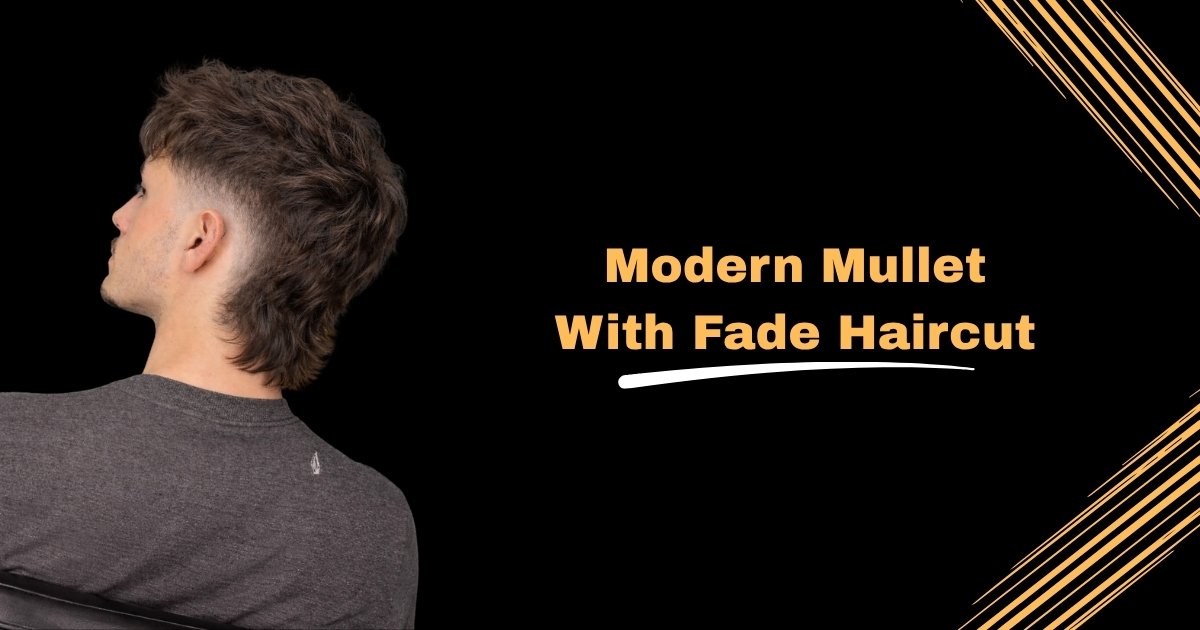
- Styling Tip: Blow-dry the back section outward with a round brush, then finish with molding paste to define the front layers.
- Maintenance: Because the length at the back grows gradually, most guys stretch visits to every 5-6 weeks. Maintenance and styling times are estimates and may vary by hair type.
Long on Top Undercut
- Overview: This is one of the most requested teen boy haircuts long on top, pairing a tight, disconnected undercut with significant length left up top for multiple styling options.
- Why It Works: Straight or wavy hair adapts to swept-back, tousled, or spiked finishes, and the added volume balances oval and longer face shapes.
- Styling Tip: Apply pomade or molding paste to damp hair and comb, brush, or finger-style depending on the day’s look.
- Maintenance: The stark contrast means the undercut needs trimming every 2-3 weeks even as the top keeps growing. Maintenance and styling times are estimates and may vary by hair type.
Haircuts for Teenage Guys: Curtain Fringe Fade
- Overview: A clean middle part lets longer front pieces fall to each side like curtains, framing the face while faded sides keep the overall shape neat.
- Why It Works: Straight and wavy hair holds the part best, flattering oval and heart-shaped faces especially well.
- Styling Tip: Blow-dry the front sections back and away from center with fingers, then smooth with a light styling cream.
- Maintenance: Trim the front length every 3 weeks so the fringe doesn’t creep into the eyes. Maintenance and styling times are estimates and may vary by hair type.
Messy Textured Crop
- Overview: A choppy, uneven fringe sits over tapered or faded sides for a casual, wearable shape that never looks overworked.
- Why It Works: Nearly any hair type can pull this off, and the short fringe balances round and oval faces by adding height at the crown.
- Styling Tip: Use sea salt spray on damp hair before air-drying to enhance natural texture without weighing the fringe down.
- Maintenance: One of the easiest cuts to maintain at home, needing a trim only every 4-5 weeks. Maintenance and styling times are estimates and may vary by hair type.
Ivy League with Taper
- Overview: A refined take on the crew cut, this style leaves slightly more length on top so it can be brushed neatly to one side over a subtle taper.
- Why It Works: Straight and wavy hair brushes over most cleanly, and the neat shape suits oval and square faces for a polished, school-ready look.
- Styling Tip: Finger-comb a small amount of styling cream through damp hair while brushing the top to one side.
- Maintenance: This classic combination stays sharp with a trim every 3-4 weeks. Maintenance and styling times are estimates and may vary by hair type.
Side Part Skin Fade
- Overview: A defined side part separates a slightly longer top from a bare-skin fade, creating a neat, versatile look for school or dressier events.
- Why It Works: Straight and wavy hair holds the part cleanly, and the balanced shape works for oval and round faces alike.
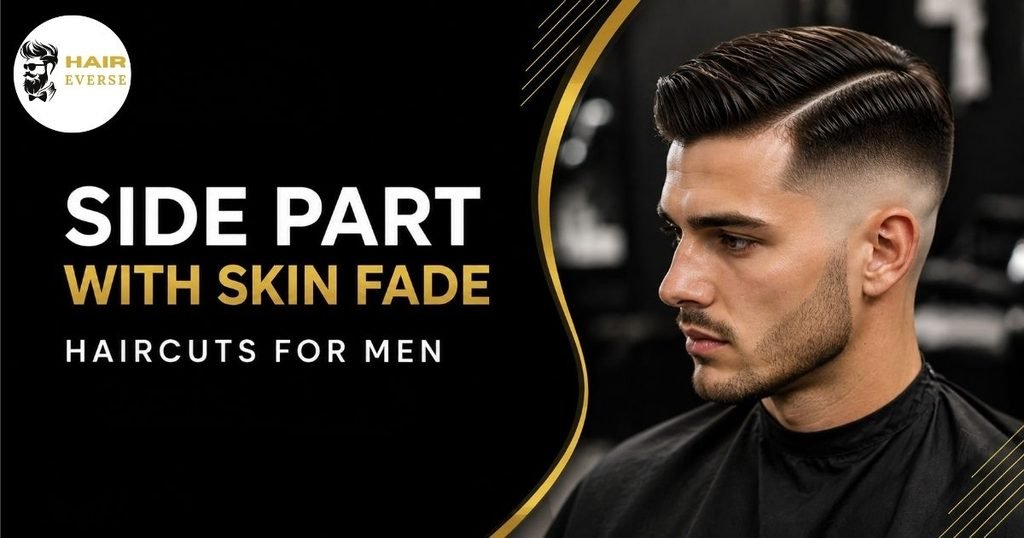
- Styling Tip: Comb a small amount of styling cream through damp hair along the part line, then air-dry or blow-dry on low heat.
- Maintenance: The skin fade needs refreshing every 2-3 weeks since regrowth shows quickly against bare skin. Maintenance and styling times are estimates and may vary by hair type.
Wolf Cut Shag
- Overview: Heavy layering blends a mullet-like silhouette with a shaggy, lived-in shape and lift at the crown.
- Why It Works: Wavy or thick hair shows off the layering best, and the volume balances round or oval faces by adding visual length.
- Styling Tip: Finger-dry the layers while scrunching upward, then finish with sea salt spray for separation.
- Maintenance: Layer-heavy cuts like this hold their shape well for 5-6 weeks between trims. Maintenance and styling times are estimates and may vary by hair type.
French Crop Fade
- Overview: A short, blunt fringe cut straight across pairs with tightly faded sides for a bold, minimalist shape.
- Why It Works: Straight or thick hair holds the blunt line cleanly, and the forward fringe flatters oval and square faces.
- Styling Tip: Apply texture clay to dry hair and press the fringe forward and slightly downward for definition.
- Maintenance: The blunt fringe needs trimming every 3 weeks or it loses its crisp edge. Maintenance and styling times are estimates and may vary by hair type.
Long Top Comb Over
- Overview: Extra length on top sweeps to one side over a mid fade, striking a balance between polished and boyish.
- Why It Works: Straight or wavy hair combs over most smoothly, and the asymmetry flatters oval and square faces by softening sharp angles.
- Styling Tip: Comb a small amount of pomade through damp hair from the part outward, then blow-dry in the same direction for hold.
- Maintenance: Keep the fade fresh every 3 weeks while letting the top grow slightly longer between visits. Maintenance and styling times are estimates and may vary by hair type.
Buzz Cut with Skin Fade
- Overview: The entire top is clipped short and uniform while the sides blend down to skin, delivering a clean, athletic shape.
- Why It Works: It works on any hair type, including coarse or coily hair, and suits round and square faces by adding definition.
- Styling Tip: Massage a small amount of lightweight styling cream through damp hair to add a slight sheen without looking greasy.
- Maintenance: Lowest daily upkeep on the list, but the fade line needs a refresh every 2-3 weeks. Maintenance and styling times are estimates and may vary by hair type.
Faux Hawk Taper
- Overview: A center strip of hair lifts into a mohawk-inspired ridge while a tapered fade keeps the sides from going fully shaved.
- Why It Works: Straight and wavy hair creates the cleanest ridge, and the added height suits oval and longer face shapes.
- Styling Tip: Work molding paste through the center section while blow-drying upward, pinching sections with fingers to shape the ridge.
- Maintenance: Book touch-ups every 3-4 weeks since the sharp lines grow out quickly. Maintenance and styling times are estimates and may vary by hair type.
Haircuts for Teenage Guys: Two Block Cut
- Overview: Borrowed from Korean street style, this cut keeps the sides very short while the top stays longer with soft, forward-falling layers.
- Why It Works: Straight and wavy hair styles this most easily, and the soft fringe suits round and oval faces by gently framing the forehead.
- Styling Tip: Blow-dry the top forward while shaping with fingers, then apply styling cream for a soft, non-greasy hold.
- Maintenance: The dramatic length contrast means the sides need trimming every 3 weeks to keep the effect visible. Maintenance and styling times are estimates and may vary by hair type.
Hard Part Pompadour
- Overview: A razor-thin shaved line adds definition to a tall, swept-back pompadour, giving the part extra sharpness.
- Why It Works: Thick, straight hair builds height most easily, and the crisp line flatters oval and longer faces.
- Styling Tip: Blow-dry the front section upward and back using a round brush, then set with firm-hold pomade.
- Maintenance: Style daily and refresh the hard part every 2-3 weeks since new growth blurs the shaved line quickly. Maintenance and styling times are estimates and may vary by hair type.
Curly Top Burst Fade
- Overview: The fade curves tightly around the ear rather than running straight back, letting curly volume on top flare out in a rounded shape.
- Why It Works: This style is built for curly or coily hair, and the rounded silhouette suits round and oval face shapes especially well.
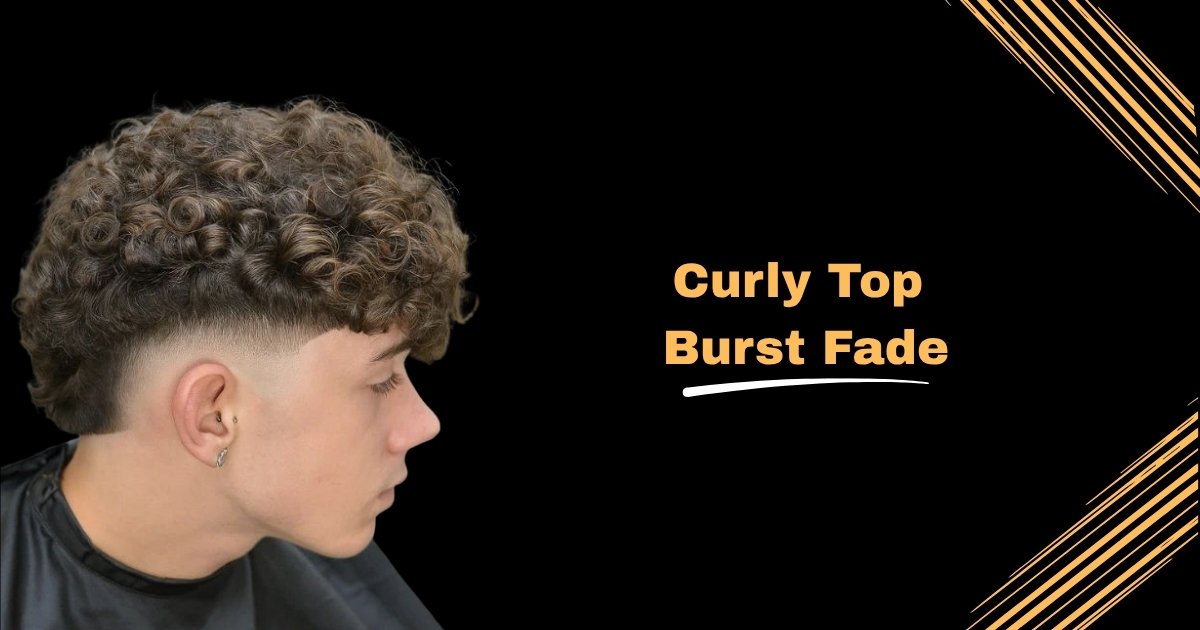
- Styling Tip: Scrunch curl-defining cream into damp curls and diffuse on low heat to keep the natural curl bounce intact.
- Maintenance: Rebook every 3-4 weeks so the curved fade line doesn’t blur as hair grows in around the ears. Maintenance and styling times are estimates and may vary by hair type.
Slicked Back Undercut
- Overview: Longer top hair combs straight back over a closely shaved undercut, resulting in a polished, vintage-inspired silhouette.
- Why It Works: Straight and wavy hair slicks back most smoothly, and the streamlined shape suits oval and square faces well.
- Styling Tip: Apply pomade to damp hair and comb straight back from the hairline for a glossy, controlled finish.
- Maintenance: The undercut grows out fast and needs trimming every 2-3 weeks to keep the contrast sharp. Maintenance and styling times are estimates and may vary by hair type.
Textured Quiff Fade
- Overview: A tousled, lifted quiff sits over a tapered fade, giving the style height without looking overly polished.
- Why It Works: Straight and wavy hair holds the texture best, and the added height flatters round and square face shapes.
- Styling Tip: Blow-dry the front upward while lifting at the root, then work in texture powder for grip without stiffness.
- Maintenance: Rebook every 4 weeks to keep the fade from growing out and swallowing the quiff’s shape. Maintenance and styling times are estimates and may vary by hair type.
Edgar Cut
- Overview: A straight, geometric fringe and a thick, rounded top sit against sharply faded sides for a bold, structured look.
- Why It Works: Straight or thick hair holds the blunt fringe line cleanly, and the structured shape flatters square and oval faces.
- Styling Tip: Blow-dry the fringe forward with a paddle brush, then set with molding paste to lock the straight edge in place.
- Maintenance: The fringe line needs a trim every 2-3 weeks to avoid looking uneven as it grows. Maintenance and styling times are estimates and may vary by hair type.
Haircuts for Teenage Guys: Middle Part Long Top
- Overview: A clean center part lets medium-length hair fall evenly on both sides, creating a balanced, symmetrical flow that pairs well with tapered sides.
- Why It Works: Straight and wavy hair parts most cleanly down the middle, and the even framing suits oval and heart-shaped faces.
- Styling Tip: Apply lightweight cream to damp hair and part with a comb before air-drying to keep the shape natural.
- Maintenance: Trim every 4 weeks to keep both sides even as the length grows out. Maintenance and styling times are estimates and may vary by hair type.
Shaggy Layers with Low Fade
- Overview: Heavy layering throughout removes bulk and creates a carefree, tousled shape over a subtle low fade.
- Why It Works: Wavy and curly hair types show the layering off best, and the loose movement flatters round and oval faces.
- Styling Tip: Towel-dry, then apply sea salt spray and let hair air-dry for a natural, textured finish.
- Maintenance: One of the more forgiving cuts, needing a trim only every 5-6 weeks. Maintenance and styling times are estimates and may vary by hair type.
High Fade Spikes
- Overview: Short spikes stand upright over a high skin fade, giving this cut a sharp, athletic edge with maximum contrast between top and sides.
- Why It Works: Straight or thick hair holds spikes most reliably, and the added height flatters round and square face shapes.
- Styling Tip: Blow-dry hair upward using fingers, then apply texture clay at the roots to lock each spike in place.
- Maintenance: The high fade needs freshening every 2-3 weeks to keep the sharp contrast that defines this look. Maintenance and styling times are estimates and may vary by hair type.
Haircuts for Teenage Guys: Drop Fade Pompadour
- Overview: This style combines a tall, swept-back pompadour with a fade that curves downward behind the ear for a smooth, modern transition.
- Why It Works: Straight and wavy hair builds height most easily, and the added lift flatters oval and longer face shapes.
- Styling Tip: Blow-dry the front section upward and back using a round brush, then set with a firm-hold pomade.
- Maintenance: The dramatic height requires daily restyling and a fade touch-up every 2-3 weeks. Maintenance and styling times are estimates and may vary by hair type.
Long Top Fade with Line Up
- Overview: Noticeable length on top pairs with a crisp fade and a sharp line up along the hairline for a clean, deliberate finish.
- Why It Works: Straight or wavy hair holds the line up cleanest, and this pairing suits oval and square faces.
- Styling Tip: Apply a light molding paste to damp hair and shape the top with fingers before it sets.
- Maintenance: The line up needs refreshing every 1-2 weeks to stay crisp, while the fade can stretch to 3 weeks. Maintenance and styling times are estimates and may vary by hair type.
Crew Cut Taper
- Overview: Short, textured hair on top pairs with a subtle taper for a timeless, no-fuss shape that works for any occasion.
- Why It Works: This style adapts to nearly every hair type and flatters round and square faces by keeping the silhouette clean and compact.
- Styling Tip: Work a small amount of texture clay through damp hair to add definition without extra length.
- Maintenance: One of the easiest cuts to keep looking fresh, needing a trim every 3-4 weeks. Maintenance and styling times are estimates and may vary by hair type.
Tapered Afro
- Overview: The sides stay neatly tapered while fuller natural curls stay voluminous on top for a rounded, defined shape.
- Why It Works: Built specifically for coily and curly hair, this cut’s rounded volume suits oval and round faces by adding balanced height.
- Styling Tip: Apply a lightweight hydrating oil to damp curls, then finger-comb to stretch and separate the curl pattern.
- Maintenance: Trim the sides every 3 weeks while letting the top curls grow for continued volume. Maintenance and styling times are estimates and may vary by hair type.
Perm Curls with Fade
- Overview: A light perm adds defined, springy curls to naturally straight or wavy hair, then pairs them with a clean fade for contrast.
- Why It Works: This suits teens with straight or wavy hair who want curl texture, and the added volume flatters round and oval faces.
- Styling Tip: Scrunch sea salt spray into curls on low-heat drying days to refresh the pattern and prevent frizz.
- Maintenance: Perms need root touch-ups roughly every 8-10 weeks along with regular fade trims every 2-3 weeks. Maintenance and styling times are estimates and may vary by hair type.
Haircuts for Teenage Guys: Angular Fringe
- Overview: The front fringe angles sharply across the forehead in one confident sweep, paired with short, neat sides.
- Why It Works: Straight and wavy hair textures hold the angled line cleanest, and the diagonal sweep flatters oval and square faces.
- Styling Tip: Blow-dry the fringe forward and guide it sideways with fingers, then set with a light styling cream.
- Maintenance: The angled line needs trimming every 3 weeks to keep its sharp, deliberate shape. Maintenance and styling times are estimates and may vary by hair type.
Mohawk Fade
- Overview: A true mohawk shape shaves the sides down close while the center strip grows long and gets styled upward into a bold, textured ridge.
- Why It Works: Straight or thick hair builds the cleanest ridge, and the height and boldness suit oval and longer face shapes best.
- Styling Tip: Blow-dry the center strip upward while pinching sections with fingers, then set firmly with molding paste.
- Maintenance: The shaved sides need attention every 1-2 weeks, making this the highest-upkeep cut on the list. Maintenance and styling times are estimates and may vary by hair type.
Bro Flow
- Overview: Medium-length hair grows out naturally and bends away from the face, creating an easy, athletic, lived-in wave.
- Why It Works: Wavy and straight hair develops this soft bend most naturally, and the relaxed length suits oval and longer face shapes.
- Styling Tip: Finger-dry hair away from the face using low heat, then work a light cream through the ends for control.
- Maintenance: This growing-out style only needs shape-up trims every 6 weeks since the goal is length, not precision. Maintenance and styling times are estimates and may vary by hair type.
Surfer Waves
- Overview: Medium length on top and sides lets natural waves flow loosely for a relaxed, beach-inspired shape.
- Why It Works: Wavy and curly hair types show off this texture naturally, and the loose movement flatters oval and round faces.
- Styling Tip: Scrunch sea salt spray through damp hair, then let it air-dry for an effortless, textured finish.
- Maintenance: Because the style depends on natural texture, it only needs trimming every 5-6 weeks to stay in shape. Maintenance and styling times are estimates and may vary by hair type.
Blowout Taper
- Overview: Rounded volume builds from the crown backward, giving the top a full, lifted shape over neatly tapered sides.
- Why It Works: Thick and wavy hair holds this rounded volume best, and the added fullness suits oval and long face shapes.
- Styling Tip: Blow-dry hair backward and outward using a round brush, then set with volumizing mousse for hold that doesn’t feel stiff.
- Maintenance: Trim every 4 weeks to maintain the shape as the taper grows out. Maintenance and styling times are estimates and may vary by hair type.
Haircuts for Teenage Guys: Caesar Cut
- Overview: Short hair on top is brushed forward into a straight, low fringe over faded sides, creating a clean, classic shape with barely any styling effort.
- Why It Works: Straight and thick hair holds the forward fringe well, and the low-profile shape flatters round and square faces.
- Styling Tip: Comb a small amount of molding paste through damp hair, brushing forward to define the fringe line.
- Maintenance: One of the lowest-maintenance cuts available, needing a trim only every 3-4 weeks. Maintenance and styling times are estimates and may vary by hair type.
Long Layered Flow
- Overview: Heavy layering throughout medium-to-long hair creates a soft, flowing, low-effort shape that suits older teens growing out a shorter cut.
- Why It Works: Wavy and curly hair types show the most natural movement, and the soft framing suits oval and round faces.
- Styling Tip: Apply a lightweight cream to damp hair and let it air-dry, finger-separating layers for texture.
- Maintenance: Because the cut relies on length and layering, it only needs trimming every 6-8 weeks. Maintenance and styling times are estimates and may vary by hair type.
Skin Fade Comb Over
- Overview: A bare-skin fade at the sides pairs with a longer, side-swept top for maximum contrast and a sharp, modern outline.
- Why It Works: Straight and wavy hair combs over cleanly, and the crisp contrast suits oval and square faces well.
- Styling Tip: Direct hair with a comb and light molding paste while blow-drying to set the swept-over shape.
- Maintenance: The skin fade needs refreshing every 2-3 weeks since regrowth shows quickly against bare skin. Maintenance and styling times are estimates and may vary by hair type.
Textured Fringe Undercut
- Overview: A choppy, textured fringe falls forward over a disconnected undercut, combining two of 2026’s biggest teen trends in one cut.
- Why It Works: Wavy and curly hair naturally enhances the choppy fringe, and the contrast suits oval and round faces.
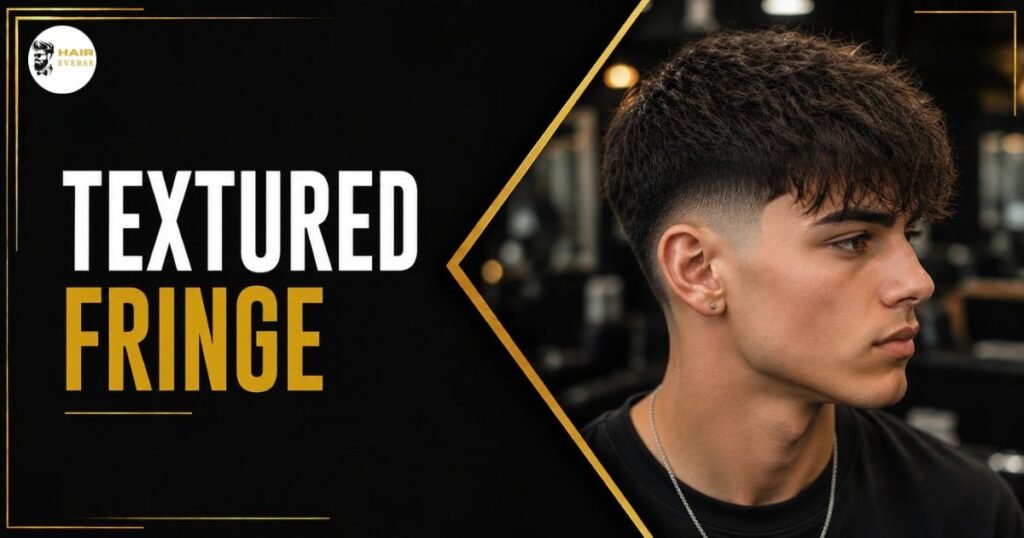
- Styling Tip: Scrunch a small amount of texture clay through the fringe with fingers to separate pieces and add grip.
- Maintenance: The undercut needs trimming every 2-3 weeks while the fringe on top can stretch to every 4-5 weeks. Maintenance and styling times are estimates and may vary by hair type.
How to Choose the Right Haircut?
Picking the right haircut starts with two things: what your hair actually does on its own, and the shape of your face.
By Hair Type
- Thick hair: Look for cuts that remove bulk, like a messy textured crop, French crop fade, or long layered flow, so the style doesn’t feel heavy.
- Thin hair: Choose shorter or textured styles like a crew cut taper or Caesar cut, since thin hair can look flat when grown too long.
- Curly hair: Lean into the texture with a curly top burst fade, tapered afro, or perm curls with fade rather than fighting the curl pattern.
- Straight hair: Almost any fade or comb-over style works well, since straight hair holds clean lines and defined parts.
- Wavy hair: Styles like the wolf cut shag, surfer waves, or bro flow let natural wave patterns do most of the styling work.
By Face Shape :
- Oval: Most styles on this list work well; oval faces have the most flexibility.
- Round: Choose cuts with added height, like a textured quiff fade, faux hawk taper, or high fade spikes, to visually lengthen the face.
- Square: Softer, textured cuts like the messy textured crop or side part skin fade balance strong jawlines nicely.
- Long: Styles with width or fullness at the sides, like a blowout taper or bro flow, help balance a longer face shape.
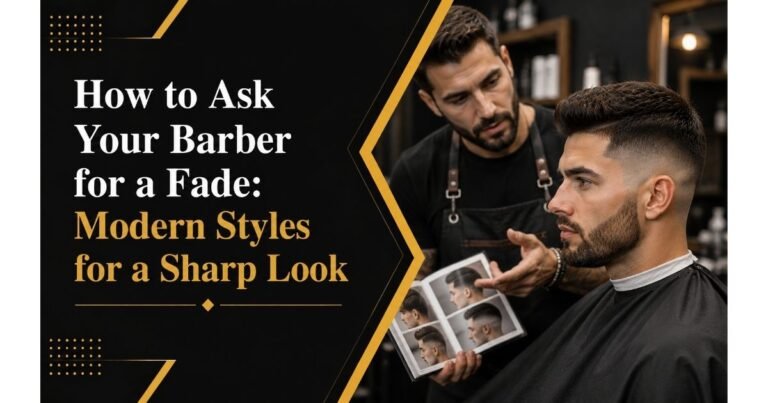
How to Ask Your Barber for This Style?
Getting the exact look wanted starts with clear communication. Use these tips at the next appointment:
- Bring reference photos that show the length and fade level clearly, not just a distant or blurry shot.
- Explain preferred length on top in inches or finger-widths rather than vague terms like “not too short”
- Mention your styling routine so the barber can cut a shape that actually works with, not against, daily habits
- Ask about maintenance upfront, including how often a return visit is realistically needed
- Explain workplace or school needs, since some fades or lengths may not fit a dress code
- Confirm the final shape before the clippers come out by describing the fade height and top length together
Explore More Hairstyles
Not sure this style is the right fit?
Explore Undercut Haircut for more haircut ideas to find a look that matches your face shape, hair type, and personal style. Your perfect haircut could be just one click away.
Want a hairstyle with more edge and movement? Check out our modern mullet guide for a bold, layered look that feels fresh and stylish.
Looking for something simpler than a bowl cut? Our buzz cut for men guide covers clean, no-fuss styles that put the focus on your features.
Product Recommendations
You are halfway to perfect haircut… choose right Hair products for styling :
Hair Cream :
- Best For: Everyday texture and light control on shorter to medium cuts
- How to Use: Warm a small amount between palms and work through damp hair before air-drying or blow-drying
Pomade :
- Best For: Slicked-back, comb-over, and side-part styles that need shine and firm hold
- How to Use: Apply to damp hair and comb through in the direction of the finished style
Wax :
- Best For: Short, spiky styles that need strong, matte hold
- How to Use: Rub between fingertips to soften, then apply to dry hair and shape into place
Clay :
- Best For: Textured crops and fades that need volume with a matte finish
- How to Use: Work a dime-sized amount through damp or dry hair, focusing on the roots for lift
Shampoo :
- Best For: Removing product buildup and sweat, especially after sports or gym class
- How to Use: Lather into wet hair, focusing on the scalp, and rinse thoroughly two to three times a week
Conditioner :
- Best For: Softening hair and reducing frizz, especially for wavy, curly, or longer styles
- How to Use: Apply after shampooing, focus on mid-lengths and ends, and rinse after a few minutes
Final Thoughts of Haircuts for Teenage Guys
The best Haircuts for Teenage Guys for 2026 isn’t necessarily the trendiest one in this list. It’s the style that matches natural hair type, fits face shape, and can realistically be maintained on a school-week schedule.
A low taper fade or crew cut taper is a safe, sharp choice for anyone easing into a new look, while a modern mullet or long on top undercut rewards those ready to embrace a bit more texture and length.
Teen years are the easiest time to experiment, since hair grows back and trends shift fast. Try a new fade height, ask about adding texture to an old go-to cut, or work with a barber to plan a longer-term grow-out toward one of the long-on-top looks in this guide.
Bring this article to the next appointment, point to a favorite style, and use the barber-communication tips above to walk out with a haircut that actually looks the way it did in the photo.
FAQs
How often should a teenage guy get a haircut?
Most fades and short styles need a trim every 3-4 weeks to stay sharp. Longer, layered cuts like a shag or bro flow can stretch to every 5-8 weeks since the look relies less on a precise line.
What is the easiest haircut for a teenage guy to maintain?
The crew cut taper, buzz cut with skin fade, and Caesar cut are among the lowest-maintenance haircuts for teens. They require minimal daily styling and only need touch-up trims every three to four weeks.
What haircut suits a round face teenage guy?
Round faces look best with cuts that add height, such as a textured quiff fade, faux hawk taper, or high fade spikes. These styles visually lengthen the face instead of adding width at the sides.
What products should teenage guys use for styling?
Teenage guys should use light styling products like texture clay, styling cream, or sea salt spray. These add texture, volume, and control while keeping the hair natural and easy to style.
Are long hairstyles good for teenage guys in 2026?
Yes, teen boy haircuts long on top like the long on top undercut, bro flow, and long layered flow remain popular in 2026, especially with wavy or straight hair. They need slightly more daily styling but offer more versatility between cuts.